
Jaipur, popularly known as the Pink City of India, continues to attract travelers from across the world with its magnificent forts, grand palaces, colorful markets, traditional cuisine, artistic heritage, and royal atmosphere. The city’s global reputation received significant attention after Travel + Leisure ranked Jaipur as the world’s 5th-best city for travelers in its 2025 World’s Best Awards.
In 2026, Jaipur continues to remain a major international tourism destination. Its UNESCO-recognized heritage, historic urban planning, vibrant culture, and unique blend of traditional and modern experiences make it one of India’s most fascinating cities to explore.
Why Is Jaipur Famous Around the World?
Jaipur is much more than a historic destination. It is a city where centuries-old traditions exist alongside modern hotels, restaurants, shopping destinations, cafés, cultural events, and contemporary experiences.
The city was founded in 1727 by Maharaja Sawai Jai Singh II and was designed using a carefully planned grid system influenced by traditional Indian architectural principles. UNESCO describes Jaipur as an exceptional example of urban planning and architecture, reflecting influences from Hindu, Mughal, and Western ideas.
This unique planning and architectural character helped Jaipur receive UNESCO World Heritage status in 2019.
Jaipur’s UNESCO World Heritage Attractions
One of the biggest reasons international travelers are attracted to Jaipur is its outstanding heritage.
The city and its surrounding historic attractions include three major UNESCO World Heritage properties:
- The Walled City of Jaipur
- Amber Fort
- Jantar Mantar
The Walled City was recognized for its distinctive urban planning, architecture, historic streets, markets, gates, and cultural traditions. Amber Fort represents Rajasthan’s impressive fort architecture, while Jantar Mantar showcases the astronomical knowledge and scientific achievements associated with Jaipur’s founding ruler.
Together, these attractions demonstrate why Jaipur is regarded as an important heritage destination in India.
The Royal Charm of Jaipur
Jaipur’s royal character is one of its strongest attractions. Visitors can explore historic palaces, courtyards, museums, gardens, forts, and royal residences that tell stories of Rajasthan’s past.
The City Palace is located in the heart of the Walled City and was conceived by Maharaja Sawai Jai Singh II. Rajasthan Tourism describes it as a striking combination of Mughal and Rajput architectural styles. The complex includes Mubarak Mahal and Maharani’s Palace and houses collections of royal clothing, textiles, paintings, and historical weapons.
Other famous landmarks include Hawa Mahal, Jal Mahal, Nahargarh Fort, Jaigarh Fort, and Albert Hall Museum.
Hawa Mahal: The Icon of the Pink City
No Jaipur travel experience feels complete without seeing Hawa Mahal. Its distinctive façade, numerous windows, and pink-and-red sandstone architecture have become internationally associated with Jaipur.
Built as part of the historic city, Hawa Mahal represents the architectural creativity of Rajasthan. Its unique design allows air to circulate through the structure, contributing to its famous name, meaning “Palace of Winds.”
The monument is especially popular with photographers and travelers looking for an iconic Jaipur experience.
Amber Fort and the Grandeur of Rajasthan
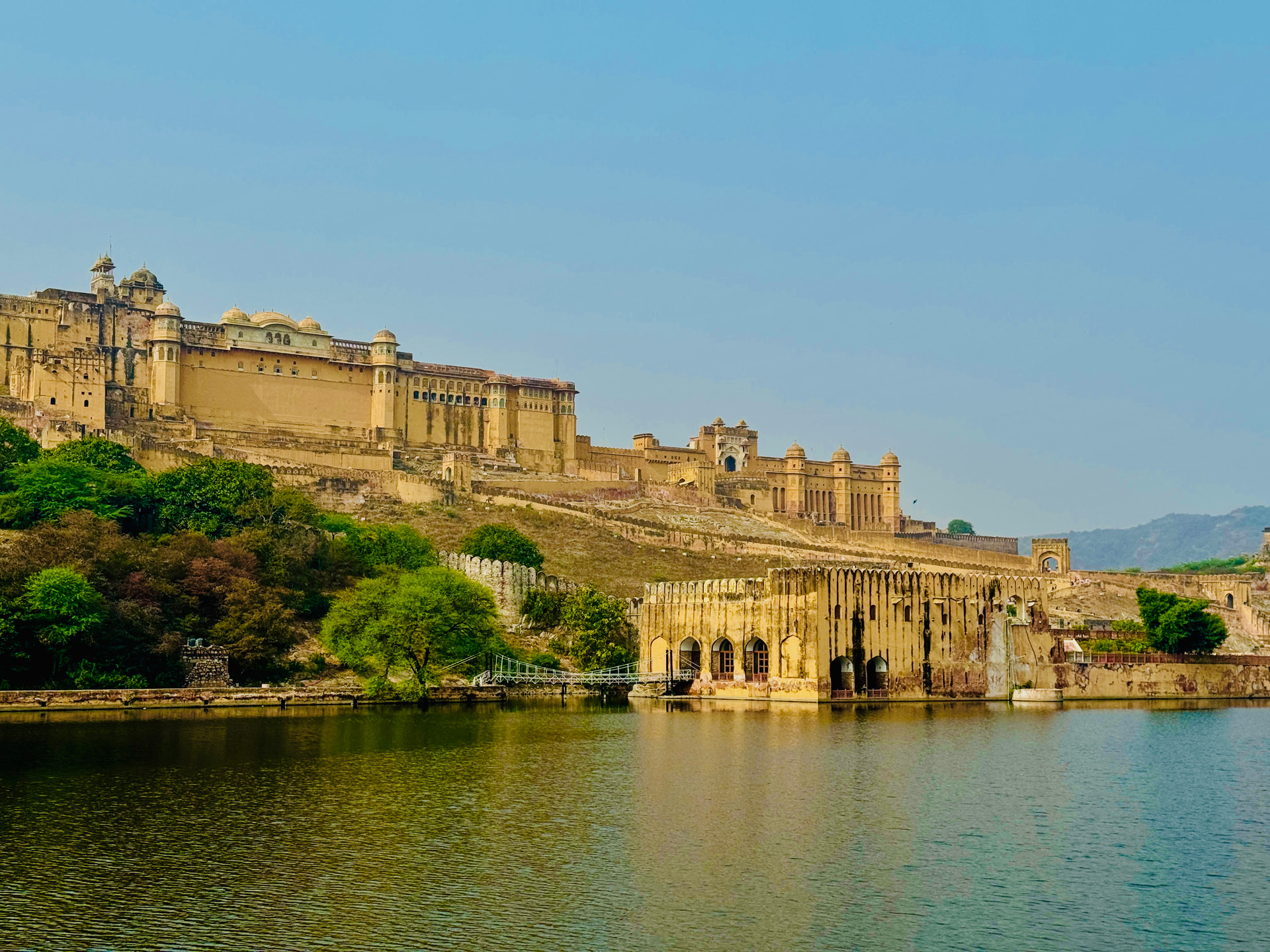
Located on the outskirts of Jaipur, Amber Fort is another major attraction. Built on a hill, the fort combines Rajput and Mughal architectural influences and features impressive gateways, courtyards, palaces, gardens, and decorative interiors.
Visitors can explore the fort while enjoying views of the surrounding Aravalli landscape. Its combination of architecture, history, and scenery makes it one of Jaipur’s most memorable attractions.
Jaipur’s Vibrant Culture
Jaipur’s cultural appeal extends far beyond its monuments. The city is known for traditional music, folk performances, handicrafts, textiles, jewelry, festivals, colorful clothing, and Rajasthani cuisine.
Traditional crafts such as blue pottery, block printing, gemstones, lac bangles, handicrafts, and traditional textiles are closely associated with Jaipur and Rajasthan.
The city's bazaars also provide travelers with opportunities to experience local culture while shopping for souvenirs and traditional products.
Shopping in Jaipur
Shopping is an important part of the Jaipur travel experience. Historic markets such as Johari Bazaar, Bapu Bazaar, Tripolia Bazaar, and Chandpole Bazaar offer a variety of traditional products.
Visitors can shop for:
- Rajasthani textiles
- Handicrafts
- Jewelry
- Blue pottery
- Mojari footwear
- Block-printed fabrics
- Decorative items
- Traditional souvenirs
Jaipur's markets combine commerce with culture, allowing visitors to experience the city's traditional craftsmanship.
Rajasthani Food: Another Reason to Visit Jaipur
Food is an important part of Jaipur’s identity. Travelers can enjoy traditional Rajasthani dishes such as dal baati churma, gatte ki sabzi, ker sangri, bajre ki roti, and traditional sweets.
Jaipur also has a growing café and restaurant culture, giving visitors both traditional and contemporary dining options.
For many travelers, experiencing local food is one of the easiest ways to understand the culture of a destination.
Jaipur as a Modern Travel Destination
Although Jaipur is famous for its history, the city is not limited to heritage tourism. Modern Jaipur offers luxury hotels, boutique properties, restaurants, shopping malls, cafés, cultural venues, wellness experiences, and event destinations.
This combination of heritage and modern hospitality helps Jaipur appeal to different types of travelers, including families, couples, international tourists, photographers, history enthusiasts, and luxury travelers.
Jaipur’s Growing Global Reputation in 2026
Jaipur's recognition extends beyond a single global travel ranking. In 2026, Time Out also included Jaipur among its 20 best cities for art and culture, placing it 18th globally. The ranking highlighted the city’s festivals, cultural offerings, and historic venues.
Jaipur was also ranked sixth among the world's happiest cities in Time Out's 2026 list, based on a survey of 24,000 people and factors including city life, food, culture, community, and green spaces.
These recognitions demonstrate the growing international interest in Jaipur as a destination offering more than sightseeing.
Best Time to Visit Jaipur
The ideal time to visit Jaipur is generally during the winter months from October to March, when temperatures are more comfortable for sightseeing.
The period is suitable for exploring forts, palaces, markets, museums, and outdoor attractions. Travelers planning a trip should still check current weather conditions, local events, and attraction timings before visiting.
Top Places to Visit in Jaipur
If you are planning a Jaipur trip, consider adding these attractions to your itinerary:
- Amber Fort
- Hawa Mahal
- City Palace
- Jantar Mantar
- Jal Mahal
- Nahargarh Fort
- Jaigarh Fort
- Albert Hall Museum
- Patrika Gate
- Jaipur's traditional bazaars
Each location provides a different perspective on the city's history, architecture, culture, or modern identity.
Why Jaipur Deserves Global Recognition
Jaipur's international appeal comes from the way different experiences come together in one destination. Travelers can explore a historic UNESCO World Heritage City in the morning, enjoy traditional Rajasthani food for lunch, shop for handcrafted products in the afternoon, and experience a modern restaurant or cultural event in the evening.
Its royal architecture, colorful traditions, hospitality, cuisine, shopping, art, and carefully planned historic cityscape create an experience that is difficult to replicate elsewhere.
Conclusion
Jaipur remains one of India's most recognizable international travel destinations. Its heritage, royal architecture, cultural traditions, food, shopping, and modern hospitality continue to attract visitors from around the world.
While the claim that Jaipur is the “5th World’s Best City in 2026” needs to be attributed carefully—the widely reported fifth-place result comes from Travel + Leisure's 2025 World's Best Awards—Jaipur has continued receiving international recognition in 2026, including rankings for culture and city life.
For anyone looking to experience India's royal heritage, colorful culture, and unforgettable architecture, Jaipur deserves a place on the travel list in 2026.
FAQs About Jaipur
1. Why is Jaipur called the Pink City?
Jaipur is popularly called the Pink City because many buildings in the historic Walled City feature its distinctive pink-colored façades.
2. Is Jaipur a UNESCO World Heritage City?
Yes. The Walled City of Jaipur was inscribed on the UNESCO World Heritage List in 2019 for its exceptional urban planning, architecture, and cultural significance.
3. What are the most famous places to visit in Jaipur?
Amber Fort, Hawa Mahal, City Palace, Jantar Mantar, Jal Mahal, Nahargarh Fort, Jaigarh Fort, and Albert Hall Museum are among the city's major attractions.
4. What is Jaipur famous for?
Jaipur is famous for its forts, palaces, pink architecture, royal heritage, traditional handicrafts, jewelry, textiles, Rajasthani food, festivals, and colorful markets.
5. What is the best time to visit Jaipur?
October to March is generally considered a comfortable period for sightseeing because the weather is relatively pleasant compared with the hotter months.
6. Why is Jaipur popular with international tourists?
Jaipur offers a combination of UNESCO heritage, royal architecture, traditional culture, shopping, food, hospitality, and modern tourism facilities, making it an attractive destination for international travelers.
7. Was Jaipur ranked the world's fifth-best city?
but the ranking should be dated correctly: Travel + Leisure's 2025 World's Best Awards ranked Jaipur fifth among the world's best cities for travelers.

