- /
- Destinations
- / Delhi
Delhi
Delhi – Where Centuries of History Meet Modern India
Delhi is the vibrant capital of India and one of the country's most dynamic travel destinations. A city where ancient empires, colonial architecture, modern skylines, and diverse cultures coexist, Delhi offers visitors an unforgettable introduction to India. From magnificent UNESCO World Heritage Sites and bustling bazaars to elegant boulevards, world-class museums, and exceptional dining experiences, the city combines history with contemporary urban life like few places in the world.
For more than a thousand years, Delhi has served as the seat of powerful kingdoms and empires, each leaving behind remarkable architectural and cultural landmarks. The city is often described as two worlds in one—Old Delhi, with its centuries-old markets, Mughal monuments, and lively streets, and New Delhi, designed during the British colonial era with broad avenues, impressive government buildings, and beautifully landscaped gardens. Exploring both sides of the city provides a fascinating journey through India's evolving history.
Delhi is home to three UNESCO World Heritage Sites, including the magnificent Red Fort, the soaring Qutub Minar, and the elegant Humayun's Tomb, each representing a different chapter in India's architectural heritage. Beyond these iconic monuments, visitors can discover colorful temples, peaceful gardens, art galleries, museums, and cultural centers that showcase the country's extraordinary diversity. Walking through Delhi reveals influences from the Sultanate period, the Mughal Empire, British rule, and modern independent India, making every neighborhood unique.
The city is equally famous for its shopping and culinary experiences. Historic markets such as Chandni Chowk offer everything from spices and textiles to jewelry and traditional sweets, while contemporary shopping districts feature luxury boutiques and international brands. Delhi's food scene is among the finest in Asia, ranging from authentic street food and regional Indian cuisine to award-winning restaurants serving flavors from around the world.
As India's primary international gateway, Delhi is often the first destination for travelers arriving in the country and serves as the starting point for the famous Golden Triangle route connecting Agra and Jaipur. The city enjoys excellent air, rail, and road connectivity, making it an ideal base for exploring northern India. The best time to visit is between October and March, when pleasant weather makes sightseeing comfortable throughout the day.
Whether you are interested in history, architecture, photography, shopping, cuisine, or cultural exploration, Delhi offers experiences that appeal to every type of traveler. Its remarkable ability to preserve centuries of heritage while embracing modern life makes it one of the world's most fascinating capital cities and an essential destination on any journey through India.
Recommended Tours
Major Tourist Spots in Delhi

Red Fort
The Red Fort is one of India's most iconic landmarks and a UNESCO World Heritage Site that symbolizes the grandeur of the Mughal Empire. Built by Emperor Shah Jahan in the 17th century, the impressive red sandstone fortress served as the main residence of the Mughal emperors for nearly 200 years. Massive defensive walls, elegant palaces, audience halls, gardens, and beautifully designed gateways reflect the extraordinary architectural achievements of the Mughal period.
Visitors can explore remarkable structures including the Diwan-i-Aam, Diwan-i-Khas, Rang Mahal, and the royal apartments while learning about the fort's historical importance. Every year on India's Independence Day, the Prime Minister addresses the nation from the fort's historic ramparts, further reinforcing its significance in the country's national identity. The evening sound and light show also offers an engaging introduction to Delhi's rich history.

Qutub Minar
Standing at 72.5 meters, Qutub Minar is the tallest brick minaret in the world and one of Delhi's most remarkable UNESCO World Heritage Sites. Construction began in the late 12th century under Qutb-ud-din Aibak and was completed by his successors, creating a masterpiece of Indo-Islamic architecture. The towering structure is decorated with intricate carvings, Arabic inscriptions, and beautifully detailed sandstone bands that demonstrate exceptional craftsmanship.
The surrounding archaeological complex includes ancient mosques, historic tombs, gateways, and the famous Iron Pillar, which has resisted corrosion for more than 1,600 years. Visitors can spend several hours exploring the beautifully maintained gardens and monuments while discovering the early history of Delhi's Sultanate period. Qutub Minar remains one of the capital's most photographed and historically significant attractions.

Humayun's Tomb
Humayun's Tomb is one of Delhi's most beautiful UNESCO World Heritage Sites and a masterpiece of Mughal architecture. Built in 1570 by Empress Bega Begum in memory of Emperor Humayun, the monument was the first grand garden tomb constructed on the Indian subcontinent. Its elegant red sandstone façade, white marble domes, symmetrical Persian-style gardens, and peaceful water channels inspired many later Mughal monuments, including the Taj Mahal.
Visitors can stroll through beautifully landscaped pathways while admiring the monument's perfect geometric design and remarkable craftsmanship. The surrounding complex also contains several smaller tombs and historic structures that reflect the architectural evolution of the Mughal Empire. With its tranquil atmosphere and historical significance, Humayun's Tomb offers one of Delhi's most rewarding cultural experiences.

India Gate
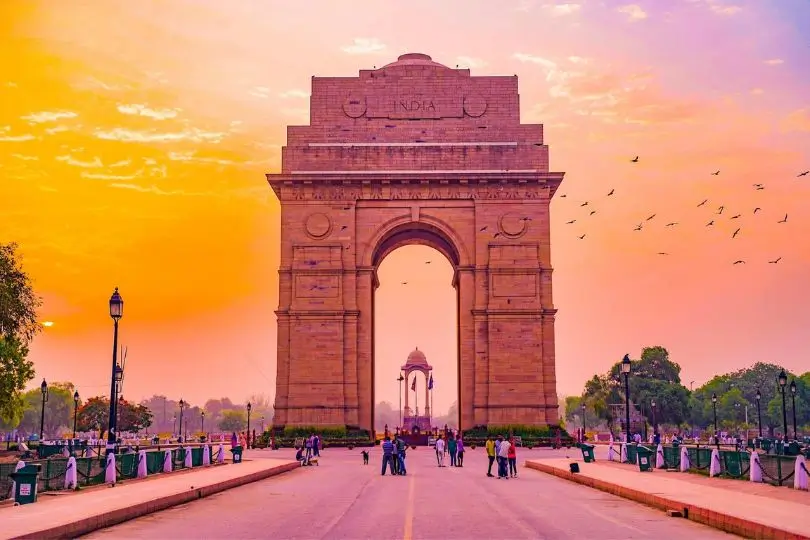
Standing proudly in the heart of New Delhi, India Gate is a national war memorial dedicated to more than 70,000 Indian soldiers who lost their lives during the First World War and the Third Anglo-Afghan War.
Designed by Sir Edwin Lutyens and completed in 1931, the 42-meter-high sandstone arch has become one of the country's most recognizable landmarks and an enduring symbol of national pride.
Surrounded by expansive lawns and wide ceremonial avenues, India Gate is especially popular during the evening when the monument is beautifully illuminated and locals gather to enjoy the lively atmosphere. Visitors can also pay their respects at the Amar Jawan Jyoti memorial, making India Gate both a historic monument and a meaningful place of remembrance in the capital.

Jama Masjid
Built by Emperor Shah Jahan between 1650 and 1656, Jama Masjid is one of the largest and most impressive mosques in India. Constructed from red sandstone and white marble, the mosque features three grand gateways, elegant domes, towering minarets, and a vast courtyard capable of accommodating thousands of worshippers. Its remarkable scale and refined architecture make it one of the finest examples of Mughal design.
Visitors are welcome to explore the mosque outside prayer times while observing appropriate dress and respectful behavior. Those who climb the southern minaret are rewarded with spectacular panoramic views of Old Delhi, where centuries-old streets, bustling markets, and historic monuments stretch across the city. Jama Masjid offers a memorable combination of architectural beauty, history, and living religious tradition.

Lotus Temple
The Lotus Temple is one of Delhi's most distinctive modern landmarks and an internationally recognized symbol of peace, harmony, and unity. Completed in 1986, the striking white marble structure is designed in the shape of a blooming lotus flower and serves as a House of Worship for the Baháʼí Faith. Unlike many religious sites, the temple welcomes people of all religions and backgrounds, encouraging silent reflection and prayer without rituals or ceremonies.
Surrounded by landscaped gardens and tranquil reflecting pools, the temple provides a peaceful escape from the city's fast pace. Its award-winning architecture has received global recognition and attracts millions of visitors each year. Whether admired for its spiritual atmosphere or innovative design, the Lotus Temple remains one of Delhi's most visited attractions.

Swaminarayan Akshardham
Akshardham is one of the largest Hindu temple complexes in the world, celebrated for its magnificent craftsmanship and cultural exhibitions. Built from intricately carved sandstone and marble, the monument showcases thousands of sculptures, beautifully decorated domes, ornate pillars, and traditional Indian architectural styles inspired by centuries of temple design. Every detail reflects exceptional artistry and devotion.
Beyond the main temple, visitors can explore exhibitions on Indian culture, impressive gardens, a musical fountain, and multimedia presentations that highlight the country's spiritual heritage and historical achievements. The beautifully maintained complex offers a unique combination of architecture, education, and cultural experiences, making it one of Delhi's most popular attractions for international travelers.

Chandni Chowk
For travelers seeking the authentic energy of Old Delhi, Chandni Chowk offers an unforgettable cultural experience. Established in the 17th century during the reign of Shah Jahan, the historic marketplace remains one of Asia's oldest and busiest commercial districts. Its narrow streets are filled with traditional shops selling spices, textiles, jewelry, wedding attire, books, perfumes, electronics, and handcrafted goods that reflect Delhi's rich trading heritage.
The market is equally famous for its legendary street food. Visitors can sample freshly prepared parathas, chaat, jalebi, kebabs, and a wide variety of regional specialties while exploring hidden lanes rich in history and local character. Walking through Chandni Chowk offers a fascinating glimpse into the everyday life of Delhi, where centuries-old traditions continue alongside modern commerce.

Lodhi Garden
Spread across more than 90 acres, Lodhi Garden is one of Delhi's most beautiful public parks, combining landscaped gardens with remarkable historical monuments dating back to the 15th and 16th centuries. The park is home to elegant tombs, ancient mosques, stone bridges, and lush green lawns that create a peaceful environment in the middle of the bustling capital.
Popular with walkers, photographers, birdwatchers, and local residents, the garden provides a refreshing escape from the city's busy streets. Seasonal flowers, mature trees, and carefully maintained pathways make it an ideal place for a leisurely stroll while discovering Delhi's lesser-known architectural heritage in a relaxed natural setting.

Raj Ghat
Raj Ghat is the memorial dedicated to Mahatma Gandhi, the leader of India's independence movement and one of the most influential figures in modern history. Located on the banks of the Yamuna River, the simple black marble platform marks the site of Gandhi's cremation following his assassination in 1948. An eternal flame burns beside the memorial as a symbol of his enduring legacy.
Beautifully landscaped gardens and quiet walkways surround the memorial, creating an atmosphere of peace and reflection. Visitors from around the world come to pay their respects while learning about Gandhi's philosophy of non-violence and its lasting impact on global civil rights movements. Raj Ghat offers a meaningful conclusion to any exploration of Delhi's historical and cultural landmarks.
Tell us about your
Travel Plans
Share your travel preferences and our destination specialists will create a personalized itinerary along with the best travel recommendations and pricing. Most inquiries receive a detailed response within 24 hours with no obligation.
Have a Question?
Whether you're planning a private tour, luxury holiday, family vacation, chauffeur-driven journey, hotel booking, or a customized India itinerary, our travel experts are ready to assist you.
Share your requirements and we'll provide the best travel options, recommendations, and pricing tailored to your needs.
Begin your
India journey
From the palaces of Rajasthan to the backwaters of Kerala - tell us where you wish to go. Our luxury travel experts at India Fortune Journey craft every itinerary to your pace, taste, and story.
Plan My Tour