- /
- Destinations
- / Ranthambore
Ranthambore
Ranthambore – India's Premier Destination for Tiger Safaris
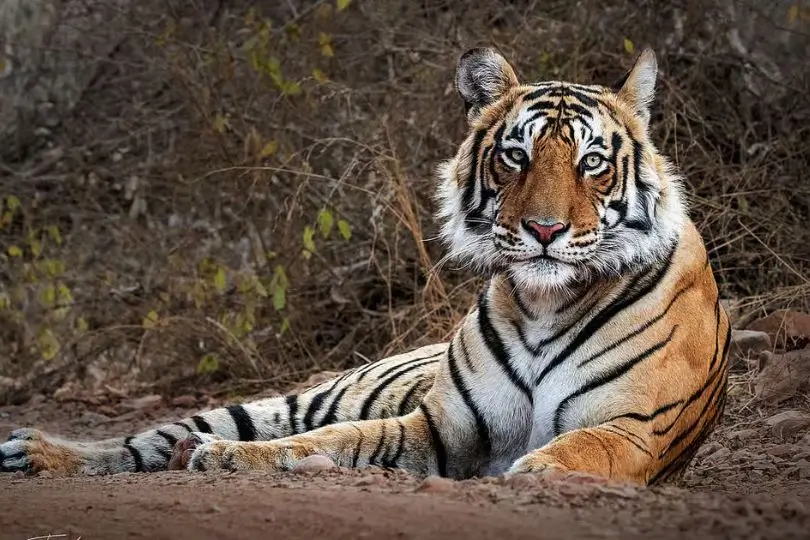
Ranthambore is one of India's most celebrated wildlife destinations, offering visitors the rare opportunity to observe the majestic Bengal tiger in its natural habitat. Located near the historic town of Sawai Madhopur in southeastern Rajasthan, Ranthambore combines extraordinary wildlife, ancient history, and breathtaking landscapes within one of the country's most famous national parks. For nature lovers, wildlife photographers, and adventure enthusiasts, it delivers an unforgettable safari experience unlike anywhere else in India.
Once the private hunting grounds of the Maharajas of Jaipur, the region is now protected as Ranthambore National Park and forms part of India's renowned Project Tiger conservation program. Covering forests, grasslands, rocky hills, lakes, and ancient ruins, the park supports an impressive variety of wildlife including Bengal tigers, leopards, sloth bears, striped hyenas, crocodiles, nilgai, sambar deer, spotted deer, langurs, and more than 300 species of birds. Every safari offers a unique experience as animals roam freely through this diverse natural landscape.
One of Ranthambore's most distinctive features is the way history blends seamlessly with wilderness. Centuries-old temples, abandoned hunting lodges, stone gateways, and the magnificent Ranthambore Fort stand amidst dense forests where wildlife has reclaimed the landscape. It is not unusual to witness a tiger walking past ancient ruins or a leopard resting on historic stone walls, creating extraordinary moments for photographers and nature enthusiasts alike.
Safaris are conducted in open vehicles accompanied by trained naturalists and experienced drivers who help visitors track wildlife while sharing fascinating insights into animal behavior and conservation efforts. Morning and afternoon safaris each offer different opportunities, with changing light conditions creating exceptional photography throughout the year. While tiger sightings are never guaranteed, the park's healthy tiger population makes Ranthambore one of the best places in India for observing these magnificent predators in the wild.
Beyond wildlife, the surrounding region offers cultural attractions, heritage hotels, local markets, and opportunities to learn about rural Rajasthan. Many luxury jungle lodges and boutique resorts provide comfortable accommodation, blending world-class hospitality with easy access to the national park. The best time to visit is from October to June, with the dry summer months often providing the highest chances of wildlife sightings as animals gather around water sources.
Whether you are an experienced wildlife photographer, a first-time safari traveler, or simply someone who appreciates nature, Ranthambore offers an unforgettable journey into India's wild landscapes. The combination of thriving wildlife, rich history, dramatic scenery, and successful conservation makes it one of the country's most rewarding destinations for international visitors.
Recommended Tours

Major Tourist Spots in Ranthambore

Ranthambore National Park
Ranthambore National Park is among India's most famous wildlife reserves and one of the finest places in the world to observe Bengal tigers in their natural environment. Covering more than 1,300 square kilometers including its buffer zones, the park is characterized by dry deciduous forests, rocky cliffs, open meadows, and tranquil lakes that create ideal habitats for a wide variety of wildlife. Carefully managed safari zones allow visitors to explore different parts of the reserve while minimizing environmental impact and supporting long-term conservation.
Each safari offers a unique adventure, with opportunities to encounter tigers, leopards, sloth bears, crocodiles, jackals, deer, and countless bird species. Experienced naturalists help interpret animal tracks, bird calls, and wildlife behavior, making every journey both educational and exciting. Even beyond tiger sightings, the park's dramatic landscapes and remarkable biodiversity ensure an unforgettable experience for every visitor.

Ranthambore Fort
Standing proudly atop a rocky hill within the national park, Ranthambore Fort is a UNESCO World Heritage Site and one of Rajasthan's oldest surviving hill forts. Dating back to the 10th century, the fort has witnessed centuries of battles, royal dynasties, and changing empires before becoming part of today's protected wilderness. Massive stone walls, ancient gateways, temples, reservoirs, and panoramic viewpoints reflect its remarkable historical significance.
The climb to the fort rewards visitors with spectacular views of the surrounding forests, lakes, and valleys below. Along the way, it is common to encounter langurs, peacocks, and other wildlife that freely inhabit the historic ruins. The unique combination of medieval architecture and thriving wildlife makes Ranthambore Fort one of the most distinctive heritage sites in India.

Padam Talao
Padam Talao is the largest and most scenic lake within Ranthambore National Park, playing a vital role in supporting the park's diverse wildlife. Surrounded by ancient trees, open grasslands, and rugged hills, the lake serves as a natural gathering point where animals frequently come to drink, especially during the warmer months. It is one of the best locations in the park for wildlife photography, offering visitors excellent opportunities to observe tigers, sambar deer, crocodiles, wild boars, and a wide variety of bird species in a peaceful natural setting.
Early morning and late afternoon safaris often pass by Padam Talao, when the soft light creates spectacular reflections across the water and increases the chances of memorable wildlife encounters. The combination of serene landscapes, abundant wildlife, and the backdrop of historic ruins makes the lake one of Ranthambore's most iconic safari locations.

Raj Bagh Ruins
Hidden deep within the forests of Ranthambore, the Raj Bagh Ruins add a unique historical dimension to every safari. These centuries-old stone structures, arches, walls, and palace remains have gradually been reclaimed by nature, creating one of the park's most atmospheric landscapes. The ruins stand beside a picturesque lake where wildlife frequently gathers, making the area especially popular among photographers hoping to capture dramatic images of animals against an ancient backdrop.
The combination of abandoned architecture and thriving wildlife perfectly illustrates how history and nature coexist within Ranthambore. Tigers are often spotted resting near the ruins or moving quietly through the surrounding vegetation, creating unforgettable moments that have made Raj Bagh one of the park's most celebrated safari zones.

Malik Talao
Malik Talao is one of the smaller lakes inside Ranthambore National Park, yet it remains one of the richest areas for birdwatching and wildlife observation. The calm waters attract numerous resident and migratory bird species, including kingfishers, storks, egrets, herons, painted storks, and fish eagles. Marsh crocodiles can often be seen resting along the shoreline, while deer and wild boar regularly visit the lake throughout the day.
Because of its peaceful surroundings and abundant biodiversity, Malik Talao offers visitors a quieter safari experience compared to some of the park's busier routes. Nature enthusiasts particularly appreciate this area for its excellent opportunities to observe smaller wildlife and enjoy the remarkable ecological diversity that makes Ranthambore one of India's leading national parks.

Jogi Mahal
Situated on the edge of Padam Talao, Jogi Mahal is a historic forest lodge that once served as a royal hunting retreat before becoming a guest house for visiting dignitaries and wildlife enthusiasts. Although the building is no longer open for overnight stays, its distinctive red sandstone architecture and beautiful lakeside setting continue to make it one of the park's most recognizable landmarks.
The surrounding area is well known for wildlife sightings, particularly during the early morning hours when animals frequently approach the nearby water. Adjacent to the lodge stands one of India's largest banyan trees, estimated to be several hundred years old, adding to the site's natural beauty and historical significance. Jogi Mahal remains a favorite stop for visitors exploring the park's central safari zones.

Trinetra Ganesh Temple
Located within the historic Ranthambore Fort, Trinetra Ganesh Temple is one of Rajasthan's oldest and most revered temples dedicated to Lord Ganesha. The temple attracts thousands of pilgrims every year, many of whom send wedding invitations to the deity as part of a long-standing local tradition seeking blessings for new beginnings. Its spiritual significance adds another dimension to the Ranthambore experience beyond wildlife and history.
Visitors reach the temple by climbing through the impressive fort complex, enjoying spectacular views of forests, lakes, and surrounding valleys along the way. The combination of ancient architecture, religious traditions, and breathtaking scenery makes the temple an important destination for both pilgrims and international travelers interested in India's cultural heritage.

Kachida Valley
Located on the outer edges of Ranthambore National Park, Kachida Valley is known for its rugged terrain, rocky hills, and dense vegetation that provide ideal habitat for several elusive wildlife species. The valley is particularly associated with leopard sightings, as these adaptable predators often prefer the rocky landscapes away from areas dominated by tigers. Sloth bears, hyenas, jackals, nilgai, and numerous bird species are also regularly observed in this scenic part of the park.
Safari routes through Kachida Valley offer a different perspective on Ranthambore's diverse ecosystem, with dramatic landscapes and fewer vehicles creating a more tranquil wildlife experience. For photographers and nature lovers, the valley showcases the incredible biodiversity of the region while highlighting the importance of protecting India's unique natural heritage.
Tell us about your
Travel Plans
Share your travel preferences and our destination specialists will create a personalized itinerary along with the best travel recommendations and pricing. Most inquiries receive a detailed response within 24 hours with no obligation.
Have a Question?
Whether you're planning a private tour, luxury holiday, family vacation, chauffeur-driven journey, hotel booking, or a customized India itinerary, our travel experts are ready to assist you.
Share your requirements and we'll provide the best travel options, recommendations, and pricing tailored to your needs.
Begin your
India journey
From the palaces of Rajasthan to the backwaters of Kerala - tell us where you wish to go. Our luxury travel experts at India Fortune Journey craft every itinerary to your pace, taste, and story.
Plan My Tour