How Luxury Travel in India Differs from Europe, Africa, and the Middle East
Luxury travel means different things in different parts of the world. In some destinations, luxury revolves around iconic hotels, fine dining, and sophisticated urban experiences. In others, it is defined by wildlife encounters, desert landscapes, private islands, or wellness retreats. As international travelers become increasingly experienced and selective, many are beginning to compare destinations not only by accommodation standards but also by the uniqueness of the experiences available.
India has emerged as one of the most compelling luxury destinations precisely because it offers something fundamentally different from traditional luxury markets. While Europe, Africa, and the Middle East continue to attract affluent travelers, India occupies a unique position by combining extraordinary cultural depth, historical significance, wildlife, spirituality, architecture, and personalized travel opportunities within a single journey.
Unlike many destinations where luxury is primarily associated with exclusivity and comfort, luxury travel in India often becomes deeply emotional and transformative. Travelers leave not only with beautiful photographs and memorable hotel stays but also with stories, perspectives, and cultural experiences that remain meaningful long after the journey ends.
Understanding how Luxury Travel India differs from Europe, Africa, and the Middle East helps travelers determine whether India aligns with their expectations and travel goals. For many experienced travelers, these differences are precisely what make India so attractive.
Europe Delivers Elegance While India Delivers Diversity
Europe has long been regarded as one of the world's premier luxury travel regions. Cities such as Paris, Rome, London, Venice, Vienna, and Barcelona offer world-class hotels, fine dining, luxury shopping, and centuries of cultural heritage. Travelers appreciate Europe's infrastructure, accessibility, and refined hospitality standards.
Luxury travel in Europe is often built around elegance and predictability. Historic architecture, renowned museums, Michelin-starred restaurants, luxury boutiques, and scenic landscapes create highly polished travel experiences. Travelers know what to expect and can move comfortably between destinations.
India approaches luxury from an entirely different direction. Instead of delivering a consistent travel environment, India presents extraordinary diversity. A single itinerary may include royal palaces, bustling markets, ancient temples, tiger safaris, luxury trains, remote villages, and tropical backwaters. Every destination introduces a new atmosphere, culture, cuisine, and visual identity.
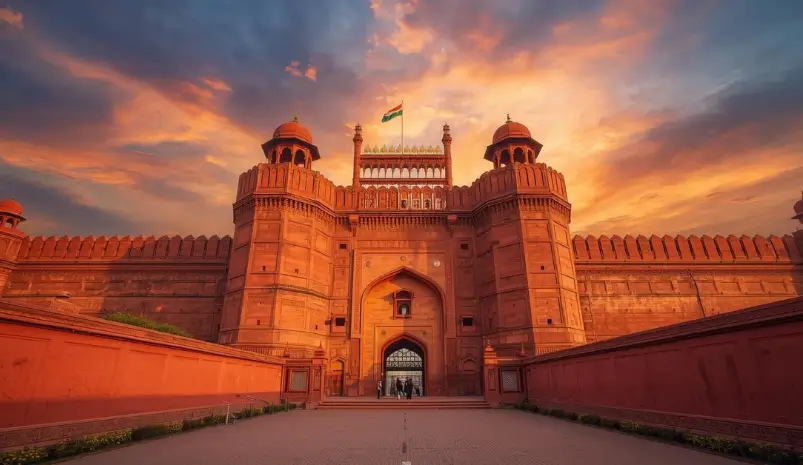
For example, a traveler moving between Delhi, Jaipur, Udaipur, Varanasi, and Kerala experiences dramatic contrasts that would normally require visiting multiple countries elsewhere. This diversity creates a sense of discovery that many seasoned travelers find particularly rewarding.
Another important distinction involves historical interaction. In Europe, travelers often observe history through museums, monuments, and preserved districts. In India, history frequently remains part of daily life. Ancient traditions, festivals, artisan communities, and royal heritage continue functioning as living elements of society rather than purely historical attractions.
Many travelers who have extensively explored Europe find India Luxury Tours appealing because they provide something less predictable and considerably more immersive. Rather than revisiting familiar luxury formats, India offers experiences that feel genuinely distinct.
Africa Focuses on Wildlife While India Combines Wildlife and Civilization
Luxury safari travel has traditionally been associated with Africa. Destinations such as Kenya, Tanzania, Botswana, South Africa, and Namibia have established global reputations for extraordinary wildlife encounters and premium safari lodges.
African luxury travel is often centered around nature. Guests stay in remote camps, participate in game drives, observe wildlife migrations, and experience landscapes largely untouched by urban development. The emphasis is frequently placed on conservation, wilderness, and natural beauty.
India offers exceptional wildlife experiences but integrates them into a much broader travel narrative. Travelers can spend several days tracking Bengal tigers in Ranthambore or Bandhavgarh before continuing to royal palaces, UNESCO World Heritage sites, spiritual centers, or luxury beach resorts.
This combination is relatively rare. In many destinations, wildlife experiences exist independently from cultural tourism. India allows travelers to combine both within a seamless itinerary.
A guest may enjoy a luxury safari lodge one day and dine inside a centuries-old palace the next. The ability to transition between wilderness and civilization creates an experience that differs significantly from traditional safari-focused vacations.
India's wildlife experiences are also closely connected to history. Ranthambore's ancient fortifications, Jawai's relationship between local communities and leopards, and various cultural connections to wildlife create layers of meaning beyond animal sightings alone.
For travelers seeking Luxury Tiger Safari India, the attraction often extends beyond wildlife. It includes the opportunity to combine conservation experiences with architecture, heritage, culture, and luxury hospitality within a single journey.
The Middle East Prioritizes Modern Luxury While India Celebrates Heritage
Luxury travel in the Middle East has expanded dramatically over recent decades. Destinations such as Dubai, Abu Dhabi, Doha, and various Gulf resorts are renowned for extraordinary hotels, luxury shopping, futuristic architecture, private beaches, and exceptional service standards.
The Middle Eastern luxury model often emphasizes scale and innovation. Guests encounter some of the world's tallest buildings, largest malls, most technologically advanced hotels, and ambitious hospitality projects. Luxury is frequently expressed through modernity and grandeur.
India offers a contrasting vision of luxury. Instead of focusing primarily on contemporary development, many of India's most memorable luxury experiences are rooted in heritage and cultural authenticity.
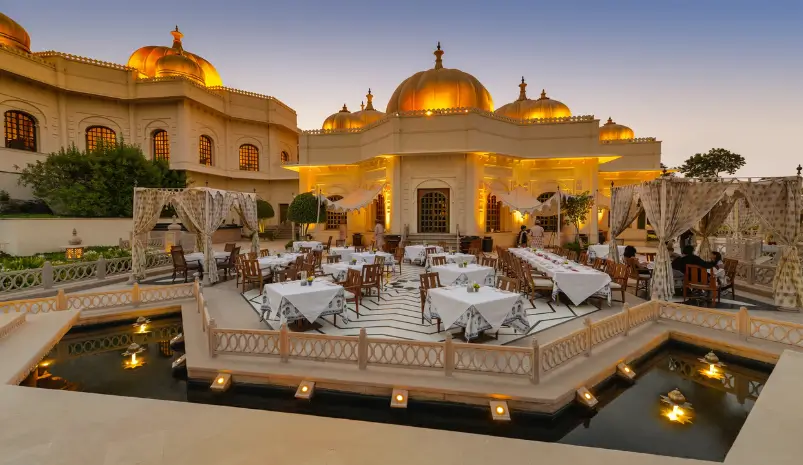
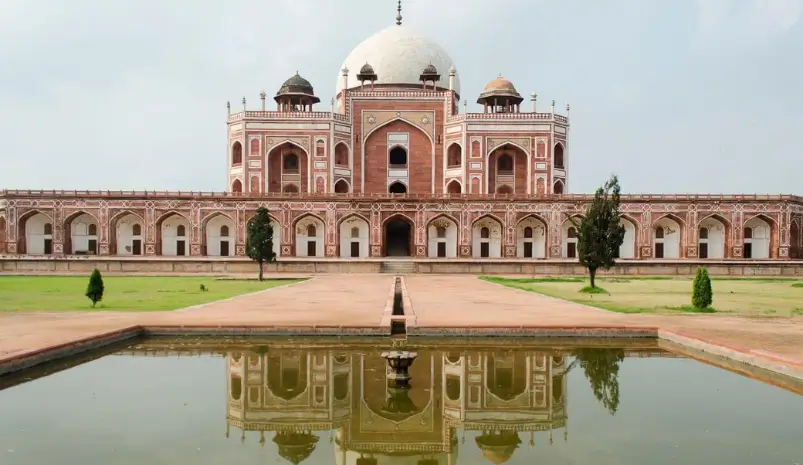
Travelers can stay inside former royal residences, dine within historic palaces, attend cultural performances reflecting centuries-old traditions, and explore architectural masterpieces that have shaped global history. The luxury experience becomes closely connected to storytelling and historical context.
Rather than emphasizing newness, India often celebrates continuity. Guests encounter traditions, craftsmanship, and cultural practices that have evolved over generations while remaining relevant today.
This distinction appeals strongly to travelers who value authenticity. While modern luxury remains available throughout India, many visitors are drawn specifically to experiences that connect them with the country's heritage.
The growth of Luxury Holidays India reflects increasing demand for meaningful travel experiences that extend beyond material comfort. Guests often seek emotional connections and cultural understanding alongside premium accommodations.
Personalization Is More Accessible in India
Personalized travel has become one of the defining characteristics of modern luxury. Affluent travelers increasingly expect itineraries tailored to their interests rather than standardized packages.
While personalization exists globally, India offers remarkable flexibility in this area. The country's tourism infrastructure supports customized journeys that can incorporate architecture, wildlife, wellness, spirituality, cuisine, photography, history, or virtually any combination of interests.
Private chauffeurs, specialist guides, exclusive cultural encounters, and bespoke itineraries have become standard features within the luxury segment. Travelers can shape experiences according to their preferences while maintaining exceptional comfort and convenience.
Europe often provides highly structured luxury experiences. Africa frequently centers around safari logistics. The Middle East commonly focuses on premium hospitality and urban luxury. India allows travelers to combine multiple travel styles within a single customized itinerary.
The growing popularity of Private Luxury Tours India reflects how effectively the country has adapted to evolving luxury travel expectations. Travelers appreciate the ability to create journeys that feel uniquely their own.
Wellness and Spiritual Travel Add Another Dimension
Few destinations can rival India's reputation for wellness and spiritual travel. While luxury spas and wellness resorts exist worldwide, India's traditions in holistic wellness, meditation, yoga, and personal reflection provide an additional layer of depth.
Many luxury travelers now seek experiences that support physical and mental well-being alongside traditional sightseeing. India offers opportunities to combine luxury accommodations with wellness practices that have been refined over centuries.
These experiences appeal not only to wellness enthusiasts but also to travelers seeking balance and personal enrichment. The integration of wellness into broader luxury itineraries distinguishes India from many competing destinations.
Rather than functioning as separate niche experiences, wellness and spirituality often become natural components of luxury travel throughout the country. This integration contributes to the broader appeal of High-End Travel India among sophisticated international travelers.
Luxury in India Is About Stories Rather Than Status
Perhaps the most significant difference between India and many other luxury destinations involves the nature of the memories travelers bring home.
In some destinations, luxury is primarily defined by exclusivity, prestige, and access. While those elements certainly exist in India, they are often accompanied by deeper cultural and emotional experiences.
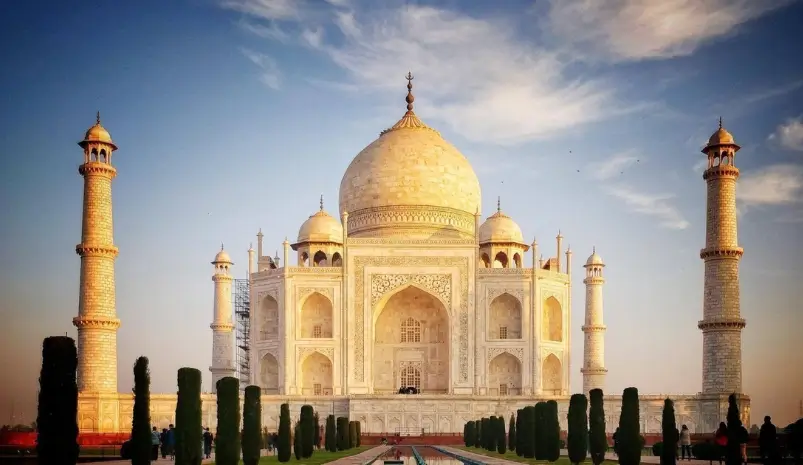
Travelers remember conversations with artisans, sunrise moments at the Taj Mahal, wildlife encounters in remote forests, evenings inside royal palaces, spiritual ceremonies along sacred rivers, and countless unexpected interactions that create lasting impressions.
The result is a form of luxury travel that feels highly personal and emotionally engaging. Rather than simply showcasing luxury, India often invites travelers to participate in stories that become part of their own travel narrative.
This distinctive combination of heritage, culture, wildlife, wellness, personalization, and hospitality continues attracting travelers who seek something beyond conventional luxury experiences.

15 Jun 2026

15 Jun 2026

15 Jun 2026
16 Jun 2026
06 Oct 2026
07 Oct 2026
08 Oct 2026
09 Oct 2026
10 Oct 2026
12 Oct 2026
Tell us about your
Travel Plans
Share your travel preferences and our destination specialists will create a personalized itinerary along with the best travel recommendations and pricing. Most inquiries receive a detailed response within 24 hours with no obligation.
Have a Question?
Whether you're planning a private tour, luxury holiday, family vacation, chauffeur-driven journey, hotel booking, or a customized India itinerary, our travel experts are ready to assist you.
Share your requirements and we'll provide the best travel options, recommendations, and pricing tailored to your needs.
Frequently asked questions
Everything foreign travellers usually ask an India tour. Still unsure? Just send us a message.
India offers greater cultural diversity, stronger contrasts between destinations, and more immersive heritage experiences within a single itinerary.
Yes. India offers world-class luxury hotels, premium service, and exceptional hospitality while adding unique cultural experiences.
India combines wildlife experiences with royal heritage, cultural attractions, and historic destinations within one journey.
Generally yes. India's luxury experiences are often deeply connected to history, heritage, traditions, and cultural authenticity.
Many travelers seek diversity, personalization, authenticity, and meaningful experiences beyond traditional luxury destinations.
Yes. India offers premium safari experiences in destinations such as Ranthambore, Bandhavgarh, Pench, Kanha, and Jawai.
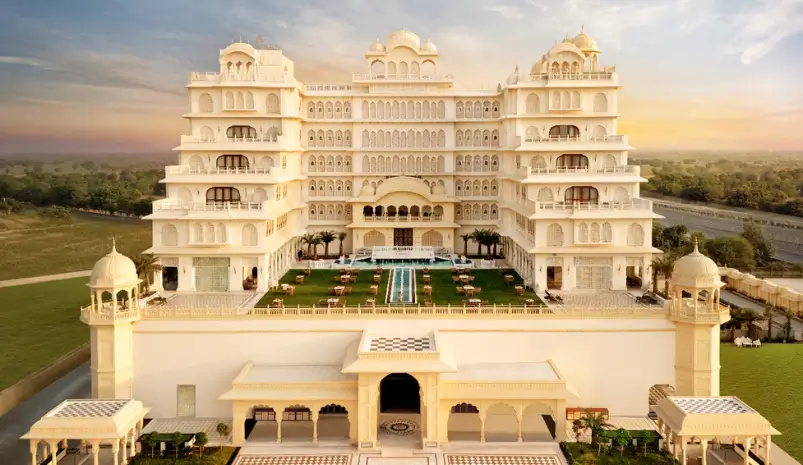
India has one of the world's largest collections of luxury palace hotels and heritage properties.
Yes. Wellness retreats, luxury spas, yoga programs, and holistic experiences are widely available.
Yes. Private itineraries, chauffeur-driven travel, and personalized experiences are among the most popular luxury travel formats.
Absolutely. The country's diversity allows travelers to return multiple times while exploring completely different regions and experiences.
Royal heritage, cultural depth, wildlife, personalized service, wellness opportunities, and remarkable destination diversity.
Yes. International demand for luxury travel in India continues increasing as travelers seek more meaningful and personalized experiences.
Begin your
India journey
From the palaces of Rajasthan to the backwaters of Kerala - tell us where you wish to go. Our luxury travel experts at India Fortune Journey craft every itinerary to your pace, taste, and story.
Plan My Tour