
- /
- Fair & Festivals
- / Diwali in Jaipur
Diwali in Jaipur
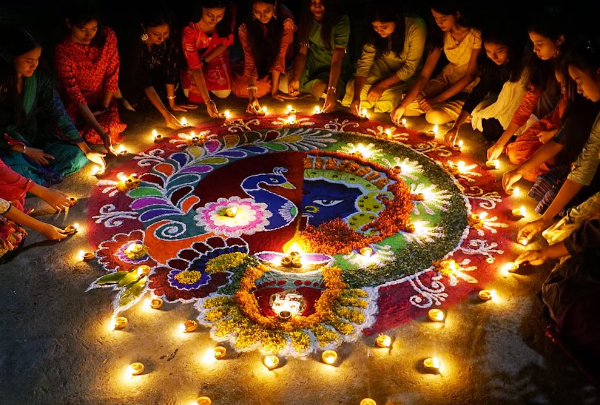
Jaipur becomes one of Rajasthan’s most visually impressive cities during Diwali, when its historic markets, homes, temples, hotels, shops, and public buildings are decorated with lights for the Festival of Lights. The old walled city takes on a particularly festive appearance as long rows of illuminated shops stretch through traditional bazaars and important market areas are decorated for the occasion. Families prepare their homes, businesses perform traditional prayers, sweets and gifts fill the markets, and the city remains active well into the evening. For an international traveler visiting Rajasthan during the autumn festival season, Diwali in Jaipur provides an opportunity to see an important Indian celebration within the architectural setting of the Pink City.
The festival is much more than decorative lighting. Diwali is closely connected with family, faith, prosperity, renewal, and the symbolic victory of light over darkness. Homes are cleaned and decorated, lamps are lit, prayers are offered, families exchange gifts and sweets, and businesses prepare for an auspicious period. The customs a foreign traveler sees in Jaipur may differ from traditions followed elsewhere in India because regional and family practices vary considerably. Understanding this cultural background helps visitors see Jaipur’s Diwali as a living family and religious occasion rather than simply a nighttime light display.
For travelers coming to India for the first time, Jaipur also offers a practical advantage. The city forms part of the Golden Triangle route with Delhi and Agra, making it possible to build a Diwali-centered itinerary around some of North India’s most important historical destinations. A well-planned stay can include Jaipur’s forts and palaces during the daytime, festive bazaars in the evening, temple visits, traditional food, shopping, and time to observe how local families and businesses prepare for the celebration.
Why Celebrate Diwali in Jaipur?
Jaipur provides a particularly attractive setting for Diwali because the city combines a historic urban core with strong commercial and religious traditions. The old city was laid out with broad avenues and organized market streets, and many of these areas are decorated extensively during the festival period. When the façades, gateways, shops, and market buildings are illuminated after sunset, the architecture of the Pink City becomes part of the celebration itself. Visitors walking or driving through selected areas can see decorative lighting extending across entire market sections rather than being limited to individual homes.
Another reason Jaipur works well for foreign visitors is the variety of experiences available around the festival. A traveler can spend the morning visiting Amber Fort, explore the City Palace and Jantar Mantar in the afternoon, and then see illuminated bazaars after dark. Temples provide a religious perspective, markets show the commercial excitement surrounding Diwali, and hotels often arrange their own celebrations for guests. This allows international travelers to choose how deeply they want to participate rather than depending on one large public event.
Jaipur is also well connected with Delhi and Agra, so the festival can be incorporated into a broader India itinerary without complicated routing. International visitors who want a combination of major monuments and cultural celebrations can travel through Delhi and Agra before reaching Jaipur for the principal Diwali period, then continue deeper into Rajasthan toward Pushkar, Jodhpur, Udaipur, or Jaisalmer.
Religious and Cultural Meaning of Diwali
Diwali is one of India’s most important festivals, but its religious associations are not identical throughout the country. In much of North India, the celebration is strongly associated with the return of Lord Rama to Ayodhya after his exile and victory over Ravana, as described in the Ramayana. The lighting of lamps is traditionally connected with welcoming Rama home and represents the triumph of light over darkness and good over evil.
The worship of Goddess Lakshmi, associated with prosperity and good fortune, is another central part of Diwali. Families and businesses prepare carefully for Lakshmi Puja, cleaning and decorating their premises and lighting lamps. Lord Ganesha is also commonly worshipped during the prayers. For business communities, the festival can carry particular significance because it is associated with prosperity, auspicious beginnings, and financial well-being.
Foreign travelers should understand that much of the most meaningful Diwali activity takes place inside homes, family spaces, temples, and businesses rather than on a public stage. Unless specifically invited, visitors should not assume they can enter private ceremonies. Hotels, guided temple visits, public markets, and organized cultural programs provide more appropriate ways for international guests to participate respectfully.
How Jaipur Prepares for Diwali
Preparations begin well before the principal Diwali evening. Markets become busier as residents shop for clothing, household items, gifts, sweets, decorative objects, lamps, and religious materials. Shops prepare special displays, buildings are cleaned and decorated, and strings of lights begin appearing across commercial streets. For travelers who arrive several days early, these preparations are an important part of the festival experience because they show how the city gradually changes as Diwali approaches.
Traditional diyas, small earthen oil lamps, are sold in large quantities. Decorative rangoli materials, flowers, garlands, religious images, candles, and gift boxes appear throughout the markets. Sweet shops become particularly busy as families purchase mithai for relatives, friends, employees, and business associates. Jewelers, textile stores, clothing shops, and home-decoration businesses also see increased activity because purchasing new items around Diwali is considered auspicious by many families.
International visitors interested in street photography may find the days before Diwali especially rewarding. Markets are colorful and active but can be somewhat easier to navigate than during the busiest hours of the main evening. Photographers can document pottery sellers, flower markets, sweet shops, decorative displays, and the preparation of shopfronts while still having time to speak with people and understand what they are seeing.
Jaipur’s Illuminated Markets During Diwali
The illumination of Jaipur’s traditional markets is one of the main reasons international visitors choose the city for Diwali. After sunset, commercial areas within the old city are decorated with elaborate lighting. Market associations may develop different decorative themes, and the combination of festive lights with Jaipur’s pink façades creates a distinctive urban setting.
Areas around Johari Bazaar, Bapu Bazaar, Tripolia Bazaar and other sections of the old city can become extremely busy. Jewelry shops, textile stores, sweet shops, restaurants, street vendors, and decorated buildings contribute to the atmosphere. The experience is not simply about viewing lights from a car. Walking selected sections provides a closer look at local shopping traditions and the interaction between residents, shopkeepers, and families celebrating the festival.
Traffic arrangements can change during the busiest period, and some roads may be congested or restricted. A foreign traveler should therefore avoid planning a rigid schedule based on normal driving times. A private vehicle can be useful for reaching an appropriate drop-off point, after which walking may be the most practical way to see the main market areas. A local guide is particularly valuable for navigating the old city and avoiding unnecessary time in heavily congested streets.
Lakshmi Puja on Diwali Evening
Lakshmi Puja is one of the most important religious observances on the main Diwali evening. Families prepare a clean and decorated area in their homes, light lamps, make offerings, and pray for prosperity and well-being. Businesses may also conduct prayers at shops and offices. The timing of the puja is traditionally based on an auspicious period and can vary according to the year and local religious guidance.
For foreign travelers, witnessing an appropriate Diwali prayer can provide far greater cultural understanding than simply seeing illuminated streets. However, it must be approached respectfully. Private family ceremonies are not tourist performances, and travelers should attend only when genuinely invited or when a hotel, temple, or cultural organization has arranged an appropriate program.
Photography during religious ceremonies should never be assumed to be acceptable. Visitors should ask before using cameras or phones and should avoid flash, loud conversation, or movement that interrupts prayers. Removing footwear may be required, and modest clothing is appropriate.
Diyas, Rangoli and Traditional Decorations
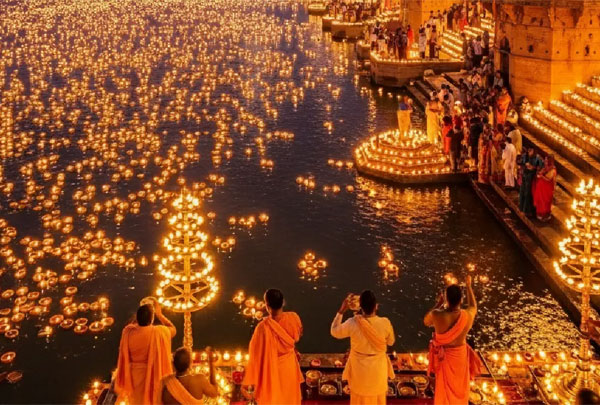
Small oil lamps known as diyas remain one of the strongest visual symbols of Diwali. Traditionally made from clay, they are filled with oil and fitted with cotton wicks before being placed near doorways, windows, courtyards, temples, and other parts of homes and businesses. Modern electric lighting has become widespread, but traditional lamps continue to have religious and cultural importance.
Rangoli is another important decorative tradition. Patterns are created near entrances using colored powders, flowers, rice, or other materials. Designs range from relatively simple geometric patterns to elaborate floral and religious motifs. Rangoli is often associated with welcoming prosperity and creating an auspicious entrance to the home.
For international travelers, observing these small traditions can be more meaningful than concentrating only on large public decorations. A guided walk through an appropriate neighborhood, market, or hotel celebration can explain why lamps are placed in certain areas and how decorative customs relate to the broader meaning of Diwali.
Temples in Jaipur During Diwali
Temples become particularly active during the festival period as devotees come to pray and make offerings. Govind Dev Ji Temple, located within the City Palace complex area, is one of Jaipur’s most important Krishna temples and receives large numbers of devotees during major religious occasions. Other temples across the city hold their own ceremonies according to local traditions.
A temple visit during Diwali can help international visitors understand the devotional side of the festival, but crowds may be considerable. Travelers should wear modest clothing, remove footwear where instructed, and follow rules concerning photography and restricted areas. Temple visits should be planned with enough time rather than treated as quick sightseeing stops between other attractions.
Foreign visitors should also remember that Hindu temples differ in their access policies. Certain sections may be restricted, and religious customs should always take priority over tourism. A knowledgeable guide can explain basic temple etiquette and the meaning of rituals without interfering with worship.
Diwali Shopping in Jaipur
Jaipur is one of India’s major shopping destinations even outside the festival period, and Diwali makes its markets considerably more active. The city is known for gemstones, jewelry, block-printed textiles, blue pottery, carpets, traditional clothing, handicrafts, leather products, and decorative objects. During Diwali, shops add festival-specific gifts, lamps, decorations, and sweets to their usual collections.
Johari Bazaar is strongly associated with jewelry, while Bapu Bazaar and surrounding market areas offer textiles, clothing, footwear, and souvenirs. Visitors interested in higher-value gemstones or jewelry should use reputable businesses and request proper documentation rather than making expensive purchases solely on the basis of a guide or street recommendation.
Shopping during Diwali can be enjoyable, but international travelers should not overload their festival evening with purchases. The markets are crowded and many residents are shopping for their own celebrations. Dedicated shopping time on the days before or after the main festival can provide a more relaxed experience.
Traditional Diwali Food and Sweets
Food is an important part of Diwali, particularly the exchange of sweets between families, friends, employees, and business associates. Jaipur’s sweet shops prepare large quantities of traditional mithai, and visitors may see elaborate gift boxes displayed throughout the city.
Depending on personal preference, travelers can try sweets such as laddus, barfi, peda, and other milk- or nut-based preparations. Rajasthan also has a rich savory food tradition, and a longer stay in Jaipur provides opportunities to try dishes such as dal baati churma, gatte ki sabzi, ker sangri, and regional breads.
Foreign visitors should choose established and busy sweet shops where products are fresh and stored appropriately. Those with nut, dairy, or other food allergies need to be particularly careful because ingredients are not always labeled in the same way as in Europe or North America. Drinking sealed bottled or properly filtered water remains advisable.
Fireworks and Air Quality During Diwali
Fireworks have traditionally formed part of Diwali celebrations in many Indian cities, although local regulations and restrictions can change from year to year. International travelers should check current conditions rather than assuming that every Diwali follows the same pattern.
Visitors sensitive to noise should be prepared for sudden loud sounds during the evening. Ear protection can be useful for children or adults who are particularly uncomfortable around fireworks. Travelers should maintain a safe distance from fireworks being used in streets or residential areas.
Air quality can also deteriorate during the Diwali period due to a combination of seasonal conditions and fireworks. Travelers with asthma, respiratory illnesses, or other relevant medical concerns should discuss appropriate precautions with their healthcare provider before travel and monitor local conditions during their stay.
Photography During Diwali in Jaipur
Jaipur during Diwali offers excellent opportunities for architecture, street, night, food, market, and cultural photography. The illuminated façades of the old city are particularly attractive after sunset, while daytime markets provide strong colors and human-interest scenes.
Night photography can be challenging because crowds make tripods impractical in many locations. A camera capable of working effectively at higher ISO settings and a suitable fast lens can be more useful than carrying heavy equipment. A secure camera strap is important in busy market areas.
Travelers should ask permission before taking close portraits of shopkeepers, families, priests, or people performing prayers. Private homes should not be photographed intrusively simply because their entrances are decorated. Religious ceremonies deserve particular sensitivity.
What to Wear During Diwali in Jaipur
The Diwali period generally falls during October or November, when Jaipur’s weather is more comfortable than the summer months. Daytime temperatures can remain warm, while evenings may feel cooler, particularly later in the season.
International travelers should choose comfortable but presentable clothing. Diwali is an important festive occasion, and many local residents wear new or traditional clothes. Foreign visitors do not need to wear Indian clothing, but modest smart-casual clothing fits the occasion better than beachwear or very revealing outfits.
Travelers who wish to wear Indian clothing can purchase suitable outfits in Jaipur, but there is no requirement to do so. Comfortable footwear remains important because festival evenings may involve significant walking through busy markets.
Safety for Foreign Tourists During Jaipur Diwali
Jaipur receives large numbers of domestic and international tourists, but Diwali crowds require additional awareness. Market streets become extremely busy, traffic patterns change, and normal driving times can increase considerably.
Passports and unnecessary valuables should remain securely stored at the hotel. Carry only the cash and cards needed for the evening and keep phones, wallets, and cameras secure in crowded areas. Travelers should agree on a meeting point if visiting markets with companions because moving against the flow of a dense crowd can be difficult.
Fireworks require additional caution. Visitors should not stand close to people setting them off and should avoid handling unfamiliar fireworks. Families traveling with children should keep them close in crowded areas and around traffic.
A private guide and vehicle can simplify the evening, but visitors should still expect some walking because vehicles may not be able to enter the busiest old-city areas.
Where to Stay in Jaipur During Diwali
Jaipur offers a broad range of accommodation, including luxury palace hotels, heritage properties, international hotel brands, boutique hotels, and comfortable mid-range options. During Diwali, the best choice depends on whether the traveler prioritizes old-city access, hotel facilities, quiet surroundings, or a heritage atmosphere.
Some luxury and heritage hotels arrange their own Diwali programs, which may include lamp lighting, rangoli, traditional music, festive meals, or other cultural activities. These can provide a comfortable introduction to Diwali for foreign visitors who prefer not to spend the entire evening in crowded public markets.
Travelers should ask exactly what a hotel’s Diwali program includes rather than assuming all properties organize similar celebrations. Accommodation should be booked well ahead when Diwali falls during a busy Rajasthan travel period.
Sightseeing in Jaipur Around Diwali
Diwali should be incorporated into a normal Jaipur stay rather than replacing all sightseeing. Amber Fort is one of the city’s most important monuments and deserves several hours. The City Palace, Jantar Mantar, and exterior of Hawa Mahal can be combined within the old-city area, while Jal Mahal can be viewed during an appropriate road journey.
Nahargarh Fort provides elevated views over Jaipur and can be particularly attractive around the festival period, although traffic and crowd conditions should be considered before planning a Diwali evening visit.
Travelers should avoid scheduling a full sightseeing day followed immediately by many hours in festival crowds. A lighter afternoon before the main Diwali evening can make the overall experience much more comfortable.
Best Time to Arrive in Jaipur for Diwali
International travelers should ideally reach Jaipur two or three days before the main Diwali evening. Arriving early provides time to settle into the hotel, understand the city layout, see market preparations, purchase appropriate clothing if desired, and complete some major sightseeing before the busiest day.
The days leading up to Diwali are themselves interesting because markets become progressively more decorated and shopping activity increases. Visitors can photograph preparations without facing the full intensity of the main festival evening.
Staying at least one day after Diwali is also useful. It prevents the itinerary from becoming dependent on immediate transportation after a late festival night and provides additional time for sightseeing.
Combining Diwali in Jaipur with the Golden Triangle
Jaipur’s position on the Golden Triangle makes it particularly suitable for first-time international visitors. A practical itinerary can follow:
Delhi – Agra – Jaipur
Delhi introduces visitors to both historic and contemporary India, while Agra provides the Taj Mahal and other Mughal monuments. Jaipur then adds Rajput architecture, markets, crafts, and the Diwali celebration.
The route can be extended after Jaipur toward Pushkar, Jodhpur, Udaipur, or Jaisalmer for travelers wanting a more complete Rajasthan journey. The exact order should be designed around the confirmed Diwali date so that the traveler is already settled in Jaipur before the main evening.
Combining Jaipur Diwali with Pushkar and Rajasthan
Diwali often falls within a particularly attractive travel period for Rajasthan. Depending on the annual calendar, international visitors can build a longer route that includes Jaipur, Pushkar, Jodhpur, Udaipur, and Jaisalmer.
Pushkar provides pilgrimage traditions and a smaller-town atmosphere, Jodhpur is dominated by Mehrangarh Fort, Udaipur brings lakes and palace architecture, while Jaisalmer introduces the Thar Desert. Combining these destinations with Jaipur Diwali gives travelers a broader understanding of Rajasthan rather than limiting the journey to one festival.
Road distances should be treated realistically. Spending adequate nights in each destination is preferable to changing hotels every day merely to include more cities.
How Many Nights Should Foreign Travelers Spend in Jaipur for Diwali?
A minimum of three nights is practical for visitors who want both sightseeing and Diwali, while four nights provides a more relaxed schedule. One or two days can be devoted to Jaipur’s monuments and markets, with the main festival day kept lighter before the evening celebrations.
Travelers interested in photography, shopping, food, or religious traditions may benefit from additional time. Arriving only on Diwali day is not recommended because traffic, transport schedules, and hotel check-in can reduce the time available to understand the city before the evening begins.
The ideal length also depends on the wider itinerary. Visitors continuing into Rajasthan can use Jaipur as the cultural starting point before traveling toward Pushkar or Jodhpur.
Respectful Participation in Diwali
International travelers are welcome to appreciate the festive atmosphere, but Diwali should not be treated as a costume party or unrestricted public celebration. Many of its most important moments take place within families and religious spaces.
Visitors should participate only where appropriate, ask before photographing private rituals, and follow local guidance at temples. If invited into a home, travelers can ask their guide or host about footwear, gifts, food customs, and appropriate behavior.
When applying a small tilak, lighting a diya, joining a hotel ceremony, or accepting sweets, respectful participation is usually appreciated. The aim should be to understand the occasion rather than turn every activity into a photograph.
Planning a Diwali Festival Jaipur Tour with India Fortune Journey
A successful Diwali Festival tour in Jaipur requires careful timing because the city functions differently during the main celebration. Markets become heavily crowded, road access changes, hotel demand increases, and religious ceremonies follow specific timings. International travelers benefit from knowing in advance which parts of the evening will be spent in markets, at a temple, at the hotel, or at another suitable celebration.
India Fortune Journey can arrange a private Jaipur Diwali itinerary including accommodation, airport or railway transfers, private transportation, guided sightseeing, old-city visits, market walks, and a wider Golden Triangle or Rajasthan tour. The schedule can be built around the confirmed Diwali date rather than forcing the festival into an already crowded sightseeing program.
For first-time foreign visitors, Delhi – Agra – Jaipur during Diwali creates a particularly strong introduction to North India. The journey combines major historical monuments with a festival that remains central to family, religious, and commercial life. Travelers with additional time can continue deeper into Rajasthan, turning the festival into one part of a broader cultural journey rather than an isolated evening event.
Fair Festivals
Personalized Travel Experiences Across India

Tell us about your
Travel Plans
Share your travel preferences and our destination specialists will create a personalized itinerary along with the best travel recommendations and pricing. Most inquiries receive a detailed response within 24 hours with no obligation.
Have a Question?
Whether you're planning a private tour, luxury holiday, family vacation, chauffeur-driven journey, hotel booking, or a customized India itinerary, our travel experts are ready to assist you.
Share your requirements and we'll provide the best travel options, recommendations, and pricing tailored to your needs.