
- /
- Fair & Festivals
- / Masaan Holi Festival in Varanasi
Masaan Holi Festival in Varanasi
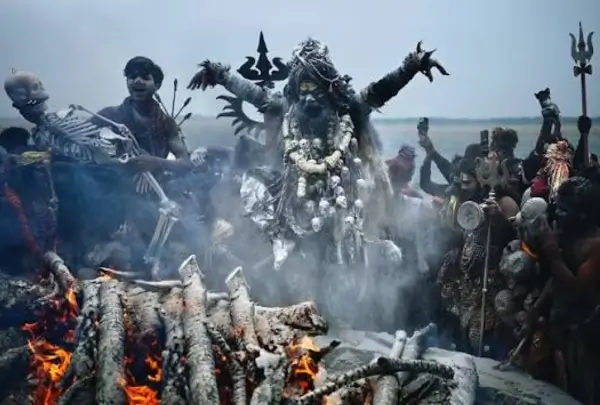
Varanasi observes Holi in a form that differs considerably from the colourful street celebrations associated with Mathura, Vrindavan and other Indian cities. Along the banks of the Ganges, a distinctive Shaivite tradition known as Masaan Holi brings together religious devotion, cremation-ground symbolism and the spiritual philosophy of Lord Shiva. The celebration is particularly associated with the sacred cremation grounds of Kashi, where ash holds a meaning far beyond its physical appearance.
For international travellers, Masaan Holi in Varanasi offers an opportunity to understand an aspect of Hindu religious life that is rarely encountered during conventional sightseeing. The rituals are connected with the belief that death is not an absolute ending but part of the continuing cycle of existence. The use of ash recalls the temporary nature of the human body, while the worship of Shiva reflects his association with destruction, transformation and liberation.
Unlike a public colour festival designed primarily for entertainment, Masaan Holi is rooted in local religious practices and the traditions of Shiva devotees. Visitors should approach the occasion as observers of a sacred cultural event rather than expecting an organised tourist performance. The experience can be intense, crowded and emotionally challenging, especially for those unfamiliar with the significance of Varanasi's cremation ghats.
Religious Significance of Masaan Holi in Kashi
Kashi, the ancient name for Varanasi, occupies an exceptional position in Hindu religious thought. The city is regarded by many devotees as the sacred abode of Lord Shiva and a place where spiritual liberation, or moksha, may be attained. Its association with death, cremation and liberation forms an essential part of its religious identity.
Masaan Holi reflects this relationship between Shiva and the cremation ground. In Shaivite symbolism, ash represents the impermanence of material existence. Wealth, physical appearance, possessions and social distinctions eventually lose their importance, while spiritual truth is regarded as enduring.
The festival's symbolism is often interpreted as a reminder that life and death cannot be separated. While ordinary Holi celebrations emphasise colour, joy and the arrival of spring, the cremation-ground tradition draws attention to the deeper philosophical questions surrounding mortality.
For foreign visitors interested in Hinduism, Masaan Holi provides an important introduction to religious beliefs that may initially appear unfamiliar but have profound meaning within the spiritual traditions of Varanasi.
The Connection Between Lord Shiva and Masaan Holi
Lord Shiva is worshipped in many forms throughout India. He is associated with meditation, asceticism, cosmic transformation and the dissolution of worldly attachments. His iconography frequently includes sacred ash, matted hair, a trident and associations with places beyond ordinary social life.
In local devotional traditions, Shiva is also regarded as the lord of Kashi. The cremation ground is not simply a place of mourning within this religious understanding; it is also connected with the ultimate truth of human existence.
Masaan Holi draws upon these beliefs through the symbolic use of ash and expressions of devotion to Shiva. Participants may chant his names, gather in religious groups and take part in customs associated with the local Shaivite community.
The festival should not be interpreted as a uniform practice followed by every resident of Varanasi. It is a distinctive tradition associated with particular religious communities, locations and observances.
Rangbhari Ekadashi and the Beginning of Holi Celebrations
Rangbhari Ekadashi is an important occasion in Varanasi's Holi calendar. Observed during the lunar period preceding Holi, it is associated with the ceremonial celebration of Lord Shiva and Goddess Parvati.
Local traditions connect the occasion with Shiva bringing Parvati to Kashi after their marriage. Devotees mark the day through temple worship, devotional gatherings and celebrations involving coloured powder.
The famous Kashi Vishwanath Temple is closely associated with the religious significance of Rangbhari Ekadashi. Depending on the year's arrangements, ceremonial activities and processions may take place in connection with the observance.
Masaan Holi is commonly associated with the period immediately following Rangbhari Ekadashi, although local schedules and specific observances should be confirmed each year.
Visitors planning a cultural journey should distinguish between Rangbhari Ekadashi, Masaan Holi and the main Holi festival. These are related celebrations, but they do not represent the same event.
Masaan Holi at Manikarnika Ghat
Manikarnika Ghat is one of the most sacred cremation grounds in Varanasi. Situated beside the Ganges, it has been associated with Hindu funeral traditions for centuries and remains an active place of cremation.
The ghat is central to the city's religious understanding of death and liberation. Families bring deceased relatives here for funeral rites, while priests, workers and local communities carry out responsibilities connected with the cremation process.
Masaan Holi is frequently associated with Manikarnika and the surrounding sacred landscape. Devotional gatherings and ash-related rituals may take place in the wider area, depending on local arrangements.
International visitors must understand that Manikarnika is not an ordinary sightseeing attraction. Funeral ceremonies continue independently of festival activities, and grieving families deserve privacy and respect.
Photography of cremations, deceased persons or mourners should not be undertaken. Visitors should also avoid entering restricted areas, obstructing funeral activities or treating religious rituals as staged performances.
Harishchandra Ghat and the Cremation-Ground Tradition
Harishchandra Ghat is another important cremation ground in Varanasi. Named after the legendary King Harishchandra, it is associated with Hindu stories concerning truth, sacrifice and moral duty.
The ghat has a longstanding connection with funeral rites and the religious life of Kashi. Its setting provides additional context for understanding the city's cremation-ground traditions.
Accounts of Masaan Holi sometimes refer to celebrations associated with Harishchandra Ghat as well as Manikarnika. However, the exact location and scale of gatherings can vary, and travellers should not assume that every reported activity occurs at both ghats.
A knowledgeable local guide can help visitors understand these distinctions and identify appropriate public areas for observing religious activity without interfering with funeral ceremonies.
How Masaan Holi Is Celebrated in Varanasi
Masaan Holi is known for the symbolic use of ash rather than the bright powders normally associated with Holi. Participants connected with the tradition may gather for prayers, devotional chanting and celebrations dedicated to Lord Shiva.
The atmosphere can include religious music, drums, chants of Har Har Mahadev and expressions of devotion. Certain participants may apply or throw ash as part of the observance.
The celebration is not organised like a conventional fair with fixed visitor seating, a standard performance schedule or controlled entertainment areas. Its character depends on the local religious communities involved.
Crowds can gather in narrow spaces, and visibility may be limited by movement, ash and the physical layout of the ghats. Visitors should remain aware of their surroundings and follow local instructions.
Foreign travellers should avoid attempting to imitate rituals without understanding their significance or receiving appropriate guidance.
The Meaning of Ash in Hindu Spiritual Traditions
Ash, often called bhasma or vibhuti in religious contexts, carries important symbolism in several Hindu traditions. It is associated with purification, detachment and the recognition that material existence is temporary.
In Shaivite worship, sacred ash may be applied to the forehead or body as an expression of devotion. It reminds worshippers that physical life is impermanent and that spiritual understanding should not depend entirely on worldly possessions.
The ash used in different religious practices does not always have the same origin or preparation. Visitors should not assume that all ceremonial ash is taken directly from funeral pyres.
Within Masaan Holi, the symbolism of ash is particularly powerful because of the celebration's connection with cremation-ground traditions.
Understanding this religious meaning is essential for visitors who want to appreciate the event beyond its striking visual appearance.
Masaan Holi and Traditional Colour Holi
Although both celebrations belong to the wider Holi season, Masaan Holi and conventional colour Holi differ in their religious emphasis and atmosphere.
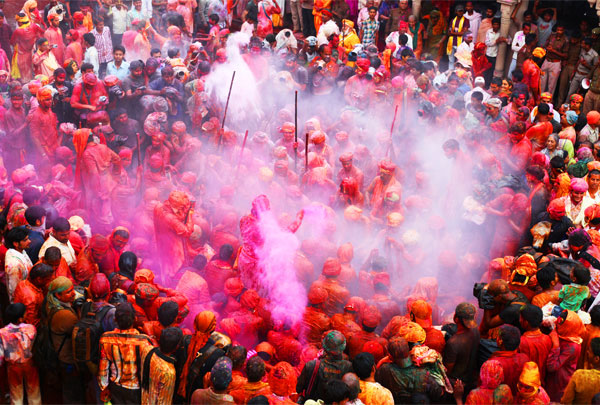
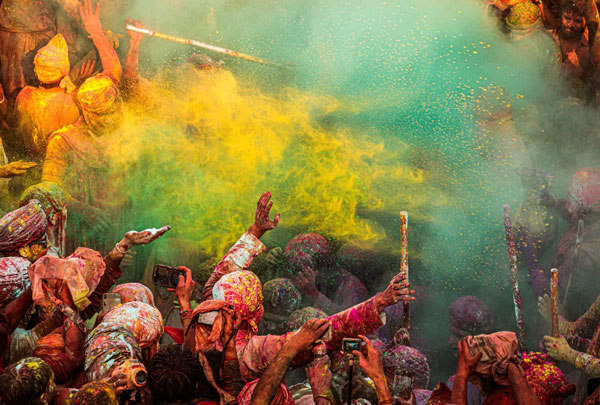
In Mathura, Vrindavan and many other Indian destinations, Holi is widely associated with coloured powders, water, music, social gatherings and stories connected with Krishna and Radha.
Masaan Holi, by contrast, is particularly associated with Shiva, sacred ash and the spiritual significance of cremation grounds.
The two traditions demonstrate the diversity of Hindu religious expression. Holi is not celebrated in precisely the same way throughout India, and local histories influence the customs observed in different regions.
Travellers interested in India's religious diversity may combine Varanasi's Shiva-related observances with the Krishna-associated Holi celebrations of Braj, provided sufficient travel time is available.
When Is Masaan Holi Celebrated?
Masaan Holi generally takes place during the period leading up to the main Holi festival, commonly around February or March. Its timing is connected with the Hindu lunar calendar and the local observances surrounding Rangbhari Ekadashi.
The Gregorian calendar date changes from year to year. Visitors should therefore avoid planning their journey solely from the previous year's festival date.
The exact timing, gathering locations and public arrangements should be verified through current local sources before travel.
For international tourists, arriving in Varanasi at least one day before the intended observance is advisable. This allows time to become familiar with the city and confirm the arrangements with a local guide.
A stay of three or four nights can also provide opportunities to visit important temples, attend the Ganga Aarti and appreciate the wider cultural heritage of Varanasi.
What Foreign Tourists Should Know Before Attending
Masaan Holi is not suitable for every traveller. The combination of dense crowds, cremation-ground surroundings, ash and emotionally sensitive religious activity can be challenging.
Visitors should wear modest, comfortable clothing and closed footwear suitable for uneven steps and crowded lanes. Expensive accessories and unnecessary valuables are best left at the hotel.
Ash and airborne particles may irritate the eyes or respiratory system. Travellers with asthma, breathing difficulties or similar sensitivities should consider avoiding crowded areas where ash is being dispersed.
It is important not to touch ceremonial materials, enter restricted spaces or approach mourners without invitation.
Women, solo travellers, older visitors and families with children should assess crowd conditions carefully. A privately arranged guide can assist with orientation, but cannot guarantee unrestricted access or personal safety in a densely crowded public gathering.
Photography During Masaan Holi
Masaan Holi attracts interest from photographers because of its religious symbolism and distinctive setting. However, photography requires considerably greater sensitivity than at many other Indian festivals.
The presence of cremation grounds makes privacy particularly important. Funeral ceremonies, deceased persons and grieving relatives should not be photographed.
Visitors should ask permission before taking close portraits of devotees or religious participants. If photography is prohibited or discouraged in a particular area, the restriction must be respected.
Long lenses should not be used to bypass privacy boundaries. Drones are also inappropriate without the necessary permissions and compliance with applicable restrictions.
The most meaningful travel photographs are not always the most dramatic. Images of permitted public devotional gatherings, temple architecture, river landscapes and wider festival preparations can tell the story without compromising the dignity of others.
Kashi Vishwanath Temple During the Holi Period
The Kashi Vishwanath Temple is among India's most important Shiva temples and occupies a central place in the religious identity of Varanasi.
During the Holi period, devotees may visit the temple for worship and to participate in observances associated with the local religious calendar.
International visitors should check current entry requirements, security restrictions, permitted belongings and access arrangements. Temple access rules can differ according to the visitor's circumstances, and entry should never be assumed.
The surrounding lanes contain shops, religious establishments and historic buildings that contribute to the character of old Varanasi.
A temple-area visit can provide useful religious context for understanding the traditions associated with Masaan Holi.
Ganga Aarti and the Evening Atmosphere of Varanasi
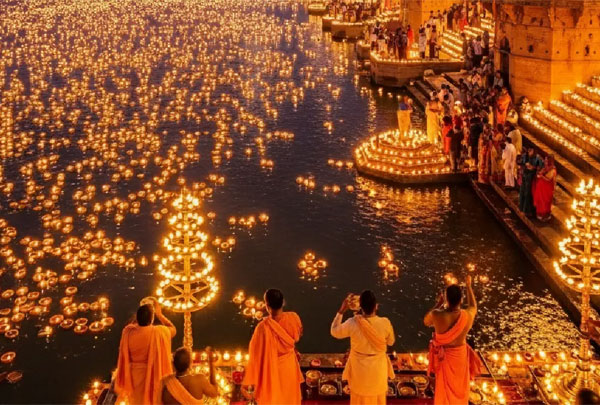
The evening Ganga Aarti is one of Varanasi's best-known public religious ceremonies. Commonly associated with Dashashwamedh Ghat, it involves prayers, lamps, bells and devotional chanting dedicated to the River Ganges.
Although Ganga Aarti is separate from Masaan Holi, the two experiences can form part of a broader cultural visit to the city.
The ceremony attracts large crowds, particularly during religious festivals and busy travel periods. Arriving early and choosing an appropriate viewing location can make the visit more comfortable.
Boat-based viewing may be possible when river conditions, local regulations and operational arrangements permit.
Visitors should not assume that every ghat ceremony follows the same schedule or format. Local conditions can influence arrangements.
Sunrise Boat Ride on the River Ganges
A sunrise boat ride offers a different perspective on Varanasi's riverfront. From the water, visitors can see the sequence of ghats, temples, steps and historic buildings that define the city's relationship with the Ganges.
Morning activity may include bathing rituals, prayers, laundry, boat movement and other aspects of everyday riverfront life.
A boat journey can help travellers understand why the river remains central to Varanasi's religious and social identity.
During the Holi season, weather and river conditions should be checked before departure. Boats should be operated by authorised providers, with appropriate safety equipment.
Photography from the river must remain respectful, particularly near cremation grounds.
Walking Through the Old Lanes of Varanasi
Varanasi's historic neighbourhoods are characterised by narrow lanes, small temples, markets, traditional houses and religious establishments.
Walking through these areas reveals a side of the city that cannot be appreciated fully from a vehicle. The streets contain a mixture of devotional activity, commerce and ordinary residential life.
During the festival period, pedestrian movement may become difficult because of crowds and temporary restrictions.
Travellers should plan short, manageable walking routes rather than attempting to cover every attraction in one outing.
A local guide familiar with the old city can provide historical context and help visitors avoid accidentally entering private or sensitive spaces.
Traditional Food to Try in Varanasi
Varanasi has a distinctive culinary culture shaped by regional traditions, pilgrimage activity and its longstanding urban history.
Popular local foods include kachori sabzi, tamatar chaat, chooda matar, seasonal sweets and various forms of lassi. Banarasi paan is another well-known part of the city's food culture.
Food walks can be arranged outside the busiest festival hours, allowing travellers to visit established eateries without unnecessary pressure.
Visitors with dietary restrictions should communicate their requirements clearly, especially when dishes contain dairy, nuts or unfamiliar ingredients.
During crowded celebrations, drinking sealed or properly filtered water and choosing freshly prepared food are sensible precautions.
Sarnath – A Buddhist Heritage Excursion
Sarnath lies a short distance from central Varanasi and is among the most significant Buddhist pilgrimage destinations in India.
According to Buddhist tradition, it was here that Gautama Buddha delivered his first sermon after attaining enlightenment.
The archaeological area includes the Dhamek Stupa, ancient monastic remains and other sites connected with the development of Buddhism.
A visit to Sarnath provides a valuable contrast to the Shiva-related traditions of Varanasi. It introduces travellers to another important strand of India's religious history.
Sarnath is best visited as a separate excursion rather than being combined with a crowded festival programme.
How to Reach Varanasi for Masaan Holi
Varanasi is accessible by air, rail and road from several major Indian destinations.
By Air: Lal Bahadur Shastri International Airport serves Varanasi. Flight connections and schedules should be checked for the intended travel dates.
By Train: Varanasi Junction and Banaras railway station are among the city's principal railway facilities. Rail services connect the region with major cities across India.
By Road: Varanasi can be reached from destinations including Prayagraj, Lucknow and other cities in Uttar Pradesh.
Private vehicles may not be able to enter the narrow lanes near the old ghats. Visitors should expect to complete the final part of some journeys on foot.
During major religious observances, temporary road closures and traffic diversions may affect transfers.
Accommodation During the Masaan Holi Festival
Varanasi offers accommodation ranging from heritage-style properties near the river to modern hotels in areas with easier road access.
Riverside hotels can provide atmospheric surroundings, but some require walking through narrow lanes and may involve stairs.
Hotels away from the busiest old-city areas may be more convenient for travellers who prefer easier vehicle access and quieter surroundings.
Festival periods can increase demand for well-located accommodation, so advance reservations are advisable.
Travellers should confirm accessibility, luggage arrangements, transfer points and the distance from the nearest vehicle-accessible road before booking.
Combining Masaan Holi with a North India Tour
Varanasi can be incorporated into a wider journey through northern India. Delhi, Agra and Jaipur are popular destinations for international visitors interested in Mughal architecture, Rajput heritage and historic cities.
A Golden Triangle tour combined with Varanasi offers a contrast between royal monuments and the living religious traditions of the Ganges.
Travellers with additional time may include Lucknow, Prayagraj or Buddhist heritage destinations, depending on their interests.
Those wishing to attend Masaan Holi should build the itinerary around the confirmed festival date rather than treating the event as a flexible sightseeing stop.
Flight schedules, railway availability and road transfer times must be considered when designing the journey.
Responsible Travel During Masaan Holi
Respectful behaviour is especially important because Masaan Holi is associated with places where funeral rites continue to take place.
Visitors should never obstruct a cremation procession, enter a funeral area without permission or photograph grieving families.
Religious ash should not be collected as a souvenir. Travellers should also avoid encouraging participants to repeat rituals for photographs or offering payment for staged activity.
Local guides and service providers should be selected for their knowledge, professionalism and respect for community practices.
The purpose of visiting Masaan Holi should be to understand a living religious tradition without interfering with the people for whom it holds sacred meaning.
Plan Your Masaan Holi Visit with India Fortune Journey
India Fortune Journey can help international travellers incorporate Varanasi into a privately arranged cultural holiday in North India.
Travel planning may include airport transfers, suitable accommodation, guided sightseeing, visits to important heritage locations and assistance with understanding local festival arrangements.
Masaan Holi attendance must remain subject to the confirmed religious calendar, local permissions, crowd conditions and public access restrictions. Participation in particular rituals or entry into cremation-ground areas cannot be guaranteed.
A carefully planned journey allows visitors to appreciate Varanasi's temples, riverfront heritage, religious traditions and historic neighbourhoods while respecting the sensitive character of the celebration.
For travellers interested in Indian spirituality, religious history and living cultural practices, Masaan Holi offers a perspective on Varanasi that differs fundamentally from conventional Holi tourism.
Fair Festivals
Personalized Travel Experiences Across India
Tell us about your
Travel Plans
Share your travel preferences and our destination specialists will create a personalized itinerary along with the best travel recommendations and pricing. Most inquiries receive a detailed response within 24 hours with no obligation.
Have a Question?
Whether you're planning a private tour, luxury holiday, family vacation, chauffeur-driven journey, hotel booking, or a customized India itinerary, our travel experts are ready to assist you.
Share your requirements and we'll provide the best travel options, recommendations, and pricing tailored to your needs.