
- /
- Fair & Festivals
- / Jaisalmer Desert Festival
Jaisalmer Desert Festival
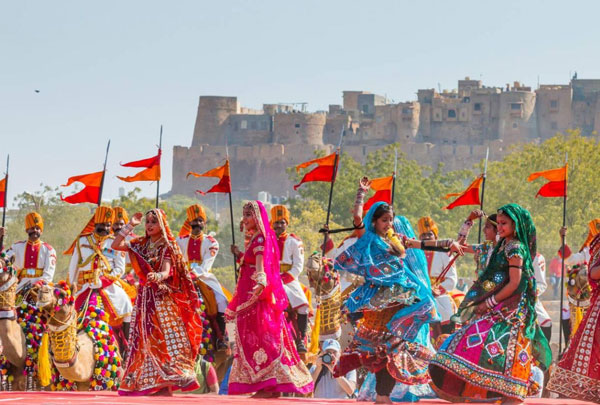
Golden sandstone architecture, traditional Rajasthani clothing, camel processions, folk musicians, desert communities, and the sweeping landscape of the Thar come together during the Jaisalmer Desert Festival, one of Rajasthan’s best-known cultural celebrations. Held in and around Jaisalmer, the festival presents the traditions of western Rajasthan through music, dance, competitions, handicrafts, camel activities, and public performances.
For international travelers, the Jaisalmer Desert Festival provides a different perspective on Rajasthan from the palace-centered experiences of Jaipur, Jodhpur, and Udaipur. Jaisalmer developed on the edge of the Thar Desert, and its history, architecture, clothing, music, food, and local customs have all been influenced by this environment. During the festival, these traditions become particularly visible as performers and communities from the surrounding region gather for scheduled events.
The celebration generally extends beyond the historic city toward the desert landscape near Sam Sand Dunes, allowing visitors to combine cultural programs with sunset views and desert activities. A carefully planned visit can include Jaisalmer Fort, historic havelis, local markets, desert villages, camel or jeep excursions, and the main festival events.
International visitors should not think of the event simply as a stage show. The most rewarding journey combines the official festival program with time spent understanding Jaisalmer itself and the wider desert region.
What Is the Jaisalmer Desert Festival?
The Jaisalmer Desert Festival, sometimes referred to as the Rajasthan Desert Festival, is an annual cultural celebration highlighting the music, dance, clothing, competitions, crafts, and desert traditions associated with western Rajasthan.
The festival usually takes place over several days and is scheduled during the cooler part of the year. Events may be organized at different venues in and around Jaisalmer, with the desert landscape forming an important part of the final experience.
The program can vary from year to year. Visitors may see folk performances, camel-related activities, traditional competitions, processions, musical programs, and events associated with Rajasthan’s desert communities.
Rather than relying on an old schedule found online, overseas travelers should check the current official program when planning their trip. Event locations and timings may change, and some activities may take place outside the city.
Why Jaisalmer Is the Perfect Setting for the Desert Festival
Jaisalmer lies in western Rajasthan near the Thar Desert and historically occupied an important position on trading routes crossing the region. The city is known for the honey-gold sandstone used in its fort, mansions, temples, and traditional buildings, earning it the popular description Golden City of Rajasthan.
The historic setting gives the Desert Festival a character that would be difficult to reproduce elsewhere. Visitors can spend the morning walking through centuries-old streets and then travel toward open desert landscapes for cultural programs and sunset activities.
For foreign travelers, this combination is particularly valuable because it connects festival events with the region that created the traditions being presented. The music, clothing, camel culture, and folk arts make more sense when seen against the geography and history of western Rajasthan.
Traditional Rajasthani Folk Music
Music is one of the strongest cultural elements of the Jaisalmer Desert Festival. Rajasthan has a long tradition of hereditary musicians and performing communities whose songs have been passed between generations.
Visitors may hear traditional instruments and regional singing styles during festival programs. The performances often reflect local stories, desert life, devotional traditions, heroic tales, and folk narratives.
For overseas visitors unfamiliar with Rajasthani music, the language of a song may not be immediately understandable, but the instruments, vocal styles, costumes, and interaction between performers create a strong cultural experience.
A live folk performance in the desert after sunset can feel very different from hearing the same music inside a hotel. Travelers interested in culture should therefore leave enough time for scheduled performances rather than focusing only on camel rides and sightseeing.
Folk Dance During the Festival
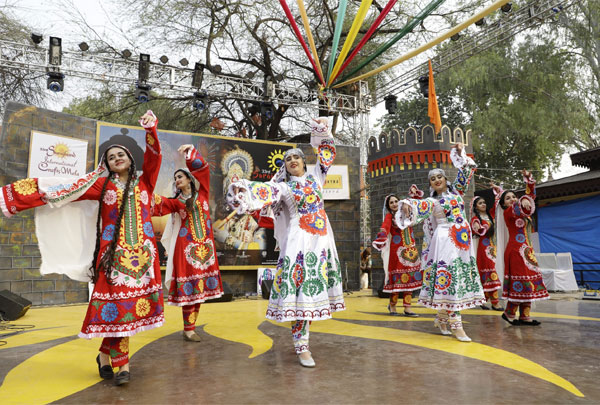
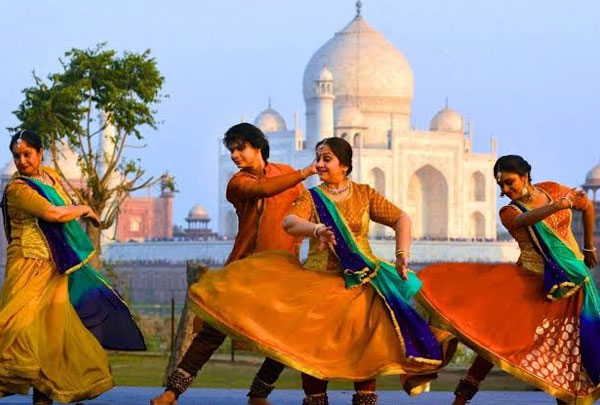
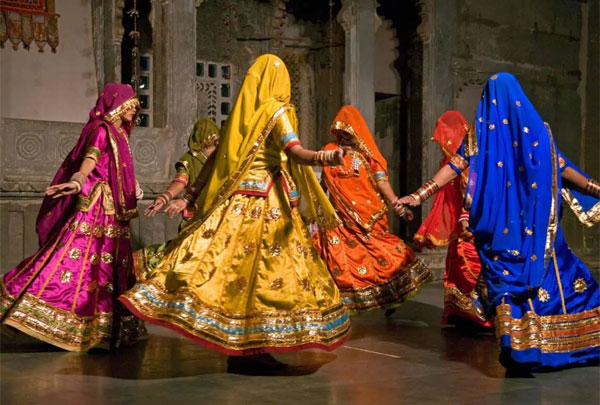
Traditional dance forms are another major attraction. Rajasthan is internationally recognized for colorful costumes and folk dances, and the Desert Festival provides opportunities to see regional performers in a public cultural setting.
The swirling movement of skirts, jewelry, rhythmic footwork, and live musical accompaniment can be particularly striking for photographers and first-time visitors.
However, travelers should avoid treating every performance as interchangeable. Rajasthan has numerous folk traditions associated with different communities and areas. A knowledgeable guide can help explain what visitors are watching and the background of the performers.
Evening performances can be especially memorable when the temperature cools and the desert setting becomes more atmospheric.
Camel Events and Desert Traditions
Camels have long played an important role in Rajasthan’s desert regions. Before modern road transport became widespread, they were essential for moving people and goods across difficult terrain.
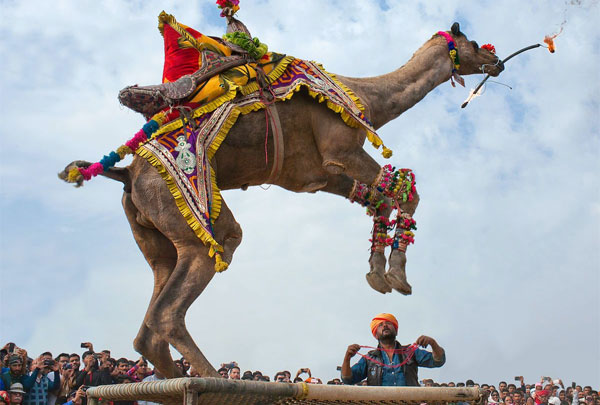
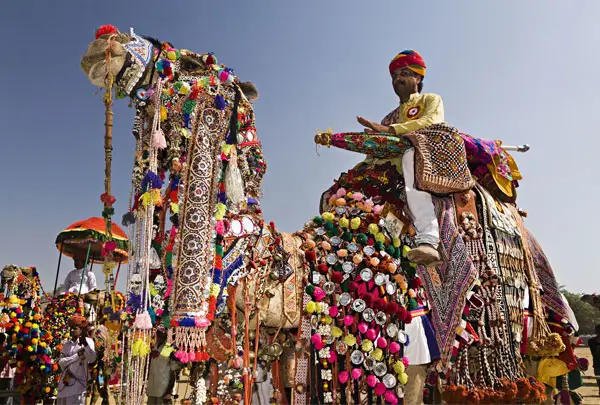
The Jaisalmer Desert Festival reflects this association through various camel-related activities. Depending on the annual program, visitors may see decorated camels, processions, competitions, races, or other events.
Decorated camels provide some of the festival’s most recognizable images. Bright textiles, ornaments, bells, patterns, and traditional accessories contrast strongly with the sandy desert landscape.
Foreign visitors should remember that camels are living animals rather than festival props. Travelers who choose camel activities should favor handlers who treat their animals responsibly and should avoid supporting visibly poor welfare practices.
Traditional Competitions at the Desert Festival
The festival is known for lighthearted competitions and public events that celebrate elements of Rajasthani identity. The exact program varies, but visitors may encounter contests involving traditional clothing, turbans, mustaches, or other cultural themes.
These events can be particularly enjoyable for international visitors because they allow closer interaction with local participants and provide a less formal side of the festival.
Traditional turbans and elaborate mustaches have long been associated visually with Rajasthan, particularly its desert and rural regions. Competitions based around these features have become popular parts of the festival program.
Photographers should still request permission before taking close portraits, even when participants are dressed for a public competition.
Processions and the Festival Atmosphere
Opening events and public processions can bring together decorated camels, musicians, dancers, traditional costumes, and local participants. The movement through the historic city creates opportunities to see performers against Jaisalmer’s golden sandstone architecture.
For a foreign visitor, a procession can be one of the easiest ways to understand the scale and visual character of the festival. Rather than watching from only one stage, travelers see different participants moving together through public areas.
Arriving early is advisable if photography is a priority. Popular viewing areas become crowded, and strong midday sunlight can create difficult photographic conditions.
A guide familiar with that year’s program can help visitors choose suitable viewing locations without blocking the procession or inconveniencing local residents.
Sam Sand Dunes and the Desert Festival
The Sam Sand Dunes, located outside Jaisalmer, are one of the most visited desert areas in the region and are often associated with the festival period.
The landscape provides a very different setting from Jaisalmer city. As afternoon light becomes softer, the dunes attract visitors for camel excursions, jeep activities, sunset views, photography, and evening cultural programs.
During the festival, selected activities may be organized in the desert area according to the official schedule. The open landscape can provide a dramatic setting for performances and final celebrations.
Travelers should be aware that Sam can become extremely busy during peak periods. Those expecting complete desert solitude may prefer to include a separate visit to a quieter desert area on another day.
Sunrise and Sunset in the Thar Desert
Sunrise and sunset are among the best times to appreciate the landscape around Jaisalmer. During the middle of the day, the desert sun can flatten colors and make outdoor activity less comfortable. Early and late light produces warmer tones and longer shadows across the sand.
Photographers attending the festival should reserve at least one sunrise or sunset for landscape work rather than spending every available hour at organized events.
A quiet early-morning desert visit can also provide a useful contrast to the crowded festival atmosphere. Depending on the chosen location, visitors may see village life, livestock, desert vegetation, and local communities beginning their day.
Sunset is busier but provides the classic desert views many first-time travelers associate with Rajasthan.
Jaisalmer Fort During the Festival
No Jaisalmer Desert Festival tour is complete without time inside Jaisalmer Fort. Unlike many historic forts in India that function primarily as monuments, Jaisalmer Fort remains a living part of the city, with homes, temples, shops, guesthouses, and narrow lanes within its walls.
The fort rises above the surrounding city and is built largely from yellow sandstone. Changes in sunlight give the walls different golden tones throughout the day.
Visitors should allow enough time to walk through the lanes rather than treating the fort as a quick photographic stop. Jain temples, viewpoints, historic architecture, and everyday residential areas contribute to its character.
Festival days can increase visitor numbers, so morning visits may be preferable for travelers seeking a less crowded experience.
Patwon Ki Haveli and Jaisalmer’s Historic Mansions
Jaisalmer’s historic havelis provide another side of the city’s heritage. Wealthy merchant families built elaborately decorated mansions with carved sandstone façades, balconies, courtyards, and detailed architectural features.
Patwon Ki Haveli is among the best known and is frequently included in city sightseeing. Other historic havelis can also be visited depending on available time and opening conditions.
These buildings help explain Jaisalmer’s historical prosperity and its role in regional trade. For foreign visitors, seeing them before attending the festival provides useful context about the city beyond its desert image.
Morning light can be particularly suitable for photographing sandstone details and narrow streets.
Desert Villages and Rural Life Around Jaisalmer
International visitors with additional time should consider seeing rural areas outside Jaisalmer rather than limiting the trip to the fort and commercial desert camps.
Village visits can provide a quieter look at traditional homes, agriculture, livestock, crafts, and everyday life in an arid environment. Such visits should be arranged respectfully and should not turn local households into tourist displays.
A responsible guide can facilitate interaction without encouraging intrusive photography or inappropriate behavior.
For travelers interested in anthropology, traditional architecture, rural Rajasthan, or documentary photography, these visits can add considerable depth to a Desert Festival journey.
Best Time to Visit Jaisalmer Desert Festival
The festival generally takes place during January or February, although travelers should confirm the dates for the specific year they intend to visit.
This period is part of Rajasthan’s popular winter travel season. Daytime temperatures are generally more comfortable than during the extreme summer months, making city sightseeing and desert excursions more pleasant.
However, desert temperatures can fall significantly after sunset and before sunrise. Foreign visitors often underestimate how cold Rajasthan can feel at night because of its desert location.
Travelers should therefore pack for both warm sunshine and cool evenings.
What to Wear During the Desert Festival
Layered clothing works best. Lightweight clothing is useful during sunny daytime hours, while a sweater, fleece, shawl, or jacket can be necessary after sunset.
Comfortable walking shoes are essential for Jaisalmer Fort, markets, festival grounds, and desert excursions. Sand can enter open footwear easily, so closed shoes may be more comfortable for longer walks.
Sunglasses, sunscreen, lip balm, and a hat provide useful protection against strong desert sun and dry air.
Modest clothing is appropriate when visiting temples, villages, and religious sites. Foreign travelers should avoid assuming that a festival environment means normal cultural expectations no longer apply.
Photography at Jaisalmer Desert Festival
The festival is particularly suitable for photographers because it combines portraiture, architecture, landscapes, performances, animals, and street scenes within a relatively compact destination.
Morning and late-afternoon light works especially well with Jaisalmer’s golden sandstone and desert landscape. A moderate telephoto lens can be useful for performances, while a wider lens is suitable for processions and environmental portraits.
Dust and sand are major concerns. Camera equipment should remain protected when not in use, and lens changes should be minimized in windy desert conditions.
Visitors should request permission before taking close portraits of local residents, performers outside public performances, camel handlers, or village families.
Food in Jaisalmer
Jaisalmer provides an opportunity to try Rajasthani food alongside familiar Indian and international dishes available at tourist-oriented restaurants.
Traditional regional cuisine developed partly in response to the dry environment, with ingredients and cooking techniques suited to limited water availability. Travelers may encounter dishes such as dal baati churma, ker sangri, gatte ki sabzi, and different breads and sweets.
Foreign travelers with sensitive stomachs should choose clean, established restaurants and drink sealed bottled or properly filtered water.
Meals in desert camps should also be checked for hygiene and quality rather than selected solely on the basis of entertainment.
Where to Stay During Jaisalmer Desert Festival
Jaisalmer has heritage hotels, boutique properties, modern hotels, guesthouses, and desert camps covering a wide range of budgets.
International visitors should consider splitting their stay between Jaisalmer city and the desert if their itinerary allows. Staying in the city provides easier access to the fort, havelis, markets, and festival events, while an overnight desert camp provides a different landscape and evening atmosphere.
Desert camps vary enormously in quality. Some provide simple tents, while others offer private bathrooms, proper beds, dining areas, and more comfortable facilities.
Travelers should verify the exact location, tent facilities, heating arrangements, food quality, vehicle access, and distance from crowded dune areas before booking.
How to Reach Jaisalmer
Jaisalmer is located in western Rajasthan and can be reached by air, rail, or road depending on current services and the traveler’s wider itinerary.
Many foreign visitors travel to Jaisalmer after Jodhpur, creating a natural Rajasthan route. A private vehicle provides flexibility for stops and is particularly useful when the journey includes other desert destinations.
Rail travel can also be an interesting option for international visitors, especially when suitable overnight services fit the itinerary.
Flight schedules can be seasonal or subject to change, so they should be confirmed before designing the entire trip around an air connection.
Safety During Jaisalmer Desert Festival
Jaisalmer is accustomed to receiving international travelers, but festival crowds require the same precautions that apply to major events elsewhere.
Keep passports and unnecessary valuables securely at the hotel. Carry only the cash and equipment required for the day. Cameras and phones should remain secure in crowded processions and festival venues.
Desert activities require additional attention. Travelers should use reliable vehicles, experienced drivers, and established camel handlers. Going far into unfamiliar desert areas without appropriate arrangements is not advisable.
Water, sun protection, and warm clothing should always be available during longer desert outings.
Responsible Camel and Desert Tourism
Camel rides are closely associated with Jaisalmer tourism, but international travelers are increasingly concerned about animal welfare.
Visitors should choose operators whose camels appear healthy and are treated appropriately. Animals showing injuries, extreme exhaustion, or poor condition should not be ridden.
Responsible desert travel also means avoiding litter, reducing single-use plastic where practical, respecting village communities, and not driving vehicles irresponsibly across sensitive dune areas.
Travelers can enjoy the desert while still considering the impact their visit has on animals, residents, and the environment.
Combining Jaisalmer Desert Festival with a Rajasthan Tour
Jaisalmer works particularly well as part of a longer Rajasthan cultural tour. A classic route for international visitors can include:
Delhi – Agra – Jaipur – Jodhpur – Jaisalmer – Udaipur
Pushkar can also be included depending on the number of available days and the direction of travel.
Such a route provides substantial variety. Delhi and Agra introduce major Mughal monuments, Jaipur offers royal architecture and markets, Jodhpur provides Mehrangarh Fort and the Blue City, Jaisalmer brings the desert environment, and Udaipur adds lakes and palace architecture.
Travelers should avoid making the route too fast simply to include more cities. Rajasthan’s long road distances mean adequate nights in each destination produce a much better journey.
How Many Days Should Foreign Travelers Spend in Jaisalmer?
During the Desert Festival, three nights in Jaisalmer can work well for many visitors, while four nights provide a more relaxed experience.
One day can focus on Jaisalmer Fort, havelis, and city sightseeing. Another can include festival events and cultural programs. Time should also be reserved for the desert, preferably extending through sunset and possibly an overnight camp.
Photographers and travelers interested in rural culture may benefit from an additional day for sunrise photography, village visits, or quieter desert areas.
The festival schedule should ultimately determine the exact number of nights.
Planning a Jaisalmer Desert Festival Tour with India Fortune Journey
A successful Jaisalmer Desert Festival tour should be designed around the official festival program rather than treating the event as a small addition to a normal sightseeing day. Performances, processions, camel events, city sightseeing, and desert activities may take place at different locations, making transportation and timing important.
India Fortune Journey can arrange a private itinerary for international travelers covering accommodation, private transportation, Jaisalmer sightseeing, festival events, desert excursions, and suitable camp stays. The trip can also be connected with Delhi, Agra, Jaipur, Jodhpur, Udaipur, Pushkar, and other Rajasthan destinations.
For first-time visitors to India, combining the Golden Triangle with Rajasthan and Jaisalmer Desert Festival creates a journey covering major monuments as well as living cultural traditions. Travelers see the Taj Mahal and royal palaces but also spend time with folk music, desert landscapes, local crafts, camel traditions, and communities shaped by the Thar.
The strongest Jaisalmer itinerary is not the one that includes the greatest number of activities in a single day. Allowing time for the fort, festival, desert, performances, photography, and quieter moments produces a much fuller understanding of western Rajasthan.
Fair Festivals
Personalized Travel Experiences Across India
Tell us about your
Travel Plans
Share your travel preferences and our destination specialists will create a personalized itinerary along with the best travel recommendations and pricing. Most inquiries receive a detailed response within 24 hours with no obligation.
Have a Question?
Whether you're planning a private tour, luxury holiday, family vacation, chauffeur-driven journey, hotel booking, or a customized India itinerary, our travel experts are ready to assist you.
Share your requirements and we'll provide the best travel options, recommendations, and pricing tailored to your needs.