
- /
- Fair & Festivals
- / Taj Mahotsav - Agra, Uttar Pradesh
Taj Mahotsav - Agra, Uttar Pradesh
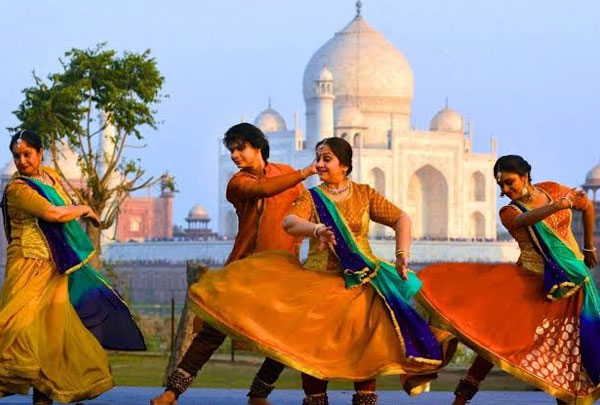
Agra is known internationally for the Taj Mahal, but travelers visiting during Taj Mahotsav can see a broader side of Indian culture beyond the city’s Mughal monuments. The annual cultural festival brings together artisans, craftspeople, folk musicians, dancers, performers, food traditions, and visitors from different parts of India. Instead of focusing on one religious ceremony or regional custom, Taj Mahotsav provides a platform where multiple Indian cultural traditions can be presented within one festival environment, making it particularly accessible to first-time international visitors.
The festival is traditionally associated with the area around Shilpgram near the Taj Mahal, although travelers should confirm the current venue, dates, timings, and program before visiting because official arrangements can change. Handloom products, handmade textiles, pottery, woodwork, jewelry, decorative crafts, regional clothing, paintings, leather products, and other forms of Indian craftsmanship may be represented through participating artisans. Cultural programs add music and dance, while food areas introduce visitors to regional flavors from different parts of the country.
For foreign travelers already planning a Delhi–Agra–Jaipur Golden Triangle tour, Taj Mahotsav can add a cultural dimension without requiring a major diversion from the standard route. The Taj Mahal, Agra Fort, Mughal heritage, markets, and the festival can be arranged over several days, allowing travelers to see both the historical and living cultural sides of the city.
The strongest Taj Mahotsav itinerary should not treat the festival as a substitute for Agra sightseeing. Instead, the festival should complement the city’s monuments. A morning can be devoted to the Taj Mahal when the light and temperatures are comfortable, while later hours can be used for the festival, crafts, cultural performances, and food.
What Is Taj Mahotsav?
Taj Mahotsav is a cultural festival held in Agra that highlights Indian arts, handicrafts, handloom traditions, folk performances, cuisine, and cultural diversity. It has become an important event for travelers who want to see craftspeople and performers representing traditions from different regions without traveling to each individual state.
Unlike Diwali, Holi, Baisakhi, or Gangaur, Taj Mahotsav is not primarily a religious festival. Its main purpose is cultural presentation and the promotion of traditional arts, crafts, and regional heritage. This distinction makes it particularly easy for overseas visitors to attend because there are fewer religious protocols to understand, although normal respectful behavior remains important.
The festival generally extends across multiple days rather than concentrating everything into one short celebration. Visitors can therefore fit it into an Agra itinerary according to the cultural program and their sightseeing schedule.
Travelers with a serious interest in crafts should allow more time than those visiting mainly for an evening performance. Moving slowly through artisan stalls and speaking with craftspeople can reveal details that are easily missed during a quick walk through the grounds.
Indian Handicrafts at Taj Mahotsav
One of the strongest reasons to visit Taj Mahotsav is the opportunity to see a wide range of Indian handicrafts and handloom traditions. India’s craft heritage varies significantly between states, with different regions specializing in weaving, embroidery, pottery, wood carving, metalwork, jewelry, painting, leatherwork, carpets, decorative objects, and numerous other forms.
Festival stalls may provide direct access to artisans or representatives connected with particular craft traditions. For international visitors, this can be more informative than shopping only in conventional souvenir stores because the products can often be connected with a particular region, technique, or material.
Travelers should ask questions about where an item was made, which materials were used, whether it is handmade, and how long the production process takes. These conversations can turn shopping into a cultural activity rather than a simple commercial transaction.
Higher-value purchases should still be made carefully. Visitors buying expensive jewelry, carpets, or other costly objects should request appropriate documentation and understand shipping, customs, and return arrangements before paying.
Traditional Textiles and Handloom Products
India has an extraordinary range of textile traditions, and Taj Mahotsav can provide a useful introduction to them. Depending on participating artisans, travelers may encounter woven fabrics, embroidered textiles, shawls, printed cloth, garments, scarves, home furnishings, and decorative pieces from different regions.
Foreign visitors sometimes refer to all Indian textiles as one style, but techniques can differ greatly according to geography and community. Hand-block printing in Rajasthan, embroidery traditions in different regions, weaving from northern India, silk traditions, and other forms all have distinct methods and histories.
Travelers interested in textiles should examine the reverse side of embroidery, ask whether dyes are natural or synthetic where relevant, and learn how the product should be cleaned. Handmade fabrics can require different care from factory-produced textiles.
Buying directly from skilled craftspeople can also provide a more personal connection with the item and the tradition behind it.
Folk Music at Taj Mahotsav
Cultural performances form an important part of the festival atmosphere. Folk musicians from different regions of India may perform traditional songs and instrumental music, allowing visitors to hear styles they might otherwise encounter only by traveling much farther.
India’s musical traditions are extremely diverse. Desert music from Rajasthan, Punjabi folk traditions, devotional forms, regional percussion, wind instruments, string instruments, and different vocal styles all reflect specific cultural backgrounds.
Foreign visitors should not expect every performance to resemble classical Indian music. Folk music often has different structures, instruments, performance settings, and social functions.
Checking the daily cultural schedule is useful because a traveler interested in a particular type of music may want to spend more time at the festival on one evening than another.
Folk Dance and Cultural Performances
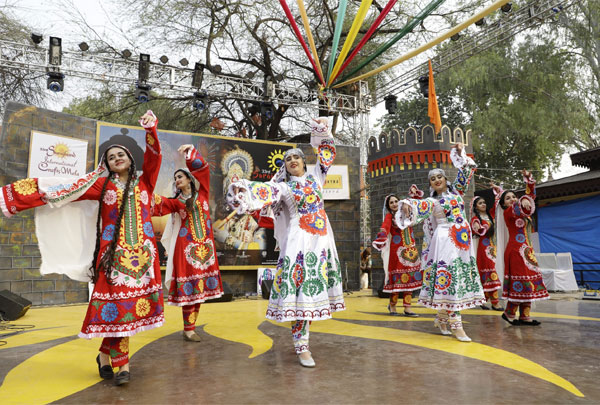
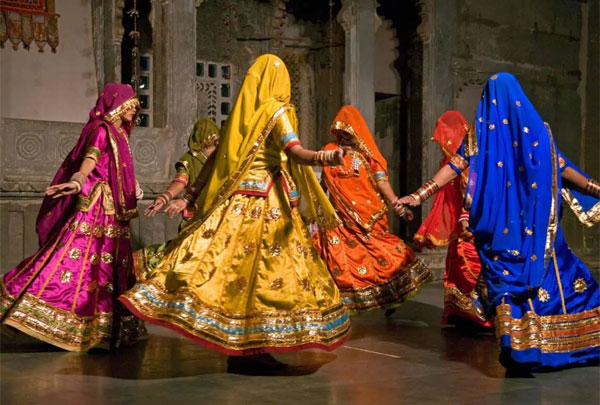
Traditional dance performances bring another layer of regional diversity to Taj Mahotsav. Depending on the annual program, performers representing different Indian states may appear in distinctive costumes accompanied by regional music.
For international visitors, these performances provide a convenient introduction to the fact that Indian dance extends far beyond the small number of styles most commonly shown in international media. Clothing, movement, rhythm, storytelling, and musical accompaniment can change dramatically between regions.
The festival setting also allows travelers to compare different performances during the same trip. Someone spending only a week in North India may still see cultural traditions originating from several parts of the country.
Travelers particularly interested in performance photography should check whether professional camera equipment is permitted and should choose seating or viewing positions without blocking other spectators.
Traditional Crafts and the Importance of Indian Artisans
India’s craft traditions support large numbers of families and communities, but many handmade industries face pressure from mass-produced goods. Festivals such as Taj Mahotsav can provide artisans with opportunities to present their work directly to large audiences.
For international travelers, understanding this economic context makes craft shopping more meaningful. A handwoven textile or carved object may represent many hours or even days of skilled work rather than simply being a decorative souvenir.
Prices for genuine handmade items may therefore be higher than machine-produced alternatives. Bargaining should remain reasonable and respectful. Aggressive negotiation over a small amount can undervalue the labor involved.
Visitors who want authentic products should prioritize quality, craftsmanship, and provenance rather than buying the cheapest version of a familiar design.
Agra’s Marble Inlay Tradition
Agra is particularly known for marble inlay work, often connected in popular understanding with the decorative techniques seen at the Taj Mahal. Skilled artisans create patterns by setting carefully shaped pieces of colored stone into marble surfaces.
Visitors can see this type of craftsmanship in decorative plates, boxes, tabletops, panels, and other objects. Some workshops provide demonstrations showing how small pieces of stone are cut and fitted into designs.
International travelers should distinguish between observing craftsmanship and feeling obligated to make a purchase. Demonstrations are often connected with retail showrooms, and visitors should buy only when genuinely interested.
High-quality inlay work requires precision and time, so very cheap pieces should be assessed carefully. Travelers making expensive purchases should obtain proper receipts and shipping documentation.
Carpet Weaving and Other Agra Crafts
Agra and surrounding areas also have traditions connected with carpet weaving, leatherwork, embroidery, and other handicrafts. Taj Mahotsav can introduce visitors to some of these products alongside crafts from other Indian states.
Carpet purchasing deserves particular care because quality depends on materials, knotting, workmanship, design, size, and other factors. International travelers should not make expensive purchases under pressure.
Leather products are widely available in Agra, although visitors should check the import regulations of their home country for particular materials where necessary.
Travelers more interested in the production process than shopping can arrange selected workshop visits to see how crafts are made.
Regional Food at Taj Mahotsav
Food is another important component of Taj Mahotsav. Festival areas may include stalls serving dishes associated with different regions, giving visitors the opportunity to try multiple flavors within one venue.
For foreign travelers, food festivals can be enjoyable but should be approached sensibly. Busy stalls preparing food continuously are generally preferable to items that have been sitting uncovered for long periods.
Travelers should choose cooked food served hot, use safe drinking water, and be careful with raw garnishes if they have sensitive stomachs. People with allergies should ask clearly about ingredients, particularly nuts, dairy, wheat, and cooking oils.
The festival can be combined with meals at established Agra restaurants so that travelers do not depend entirely on festival food throughout their stay.
Mughlai Food in Agra
Agra’s history under the Mughal Empire influenced the city’s culinary identity. Visitors can find restaurants serving Mughlai-style dishes, including rich gravies, kebabs, breads, rice preparations, and vegetarian alternatives.
Foreign travelers interested in food can arrange one carefully selected Mughlai meal as part of their Agra stay. Portions can be rich, so ordering several dishes to share is often more practical than each traveler choosing a full individual meal.
Vegetarian visitors have plenty of options in Agra, and dietary preferences can usually be accommodated at established restaurants.
The festival and local dining together provide a broader culinary experience than relying on hotel buffets alone.
Agra Petha and Local Sweets
Agra is famous for petha, a sweet traditionally made from ash gourd and sugar. Different variations are sold throughout the city, including plain and flavored versions.
International visitors interested in trying petha should purchase from a reputable and busy shop where turnover is high. Packaged products may be easier to transport, although travelers should check storage requirements before carrying sweets on a long journey.
Agra also offers other North Indian sweets and snacks. Sampling a few items can be incorporated into an old-city or market visit.
Travelers managing blood sugar or dietary restrictions should remember that many Indian sweets contain substantial amounts of sugar, dairy, or nuts.
Taj Mahal and Taj Mahotsav
The greatest advantage of attending Taj Mahotsav is its proximity to one of the world’s most famous monuments. The Taj Mahal remains the central reason most international travelers come to Agra, and the festival should be planned around a proper visit to the monument.
Early morning is often an excellent time for the Taj Mahal because temperatures can be comfortable and the changing light creates beautiful views of the white marble. Security procedures and ticket arrangements should be understood before arrival.
Visitors should allow enough time to walk through the complex rather than treating the Taj Mahal as a short photography stop. The main mausoleum, gardens, gateways, river setting, calligraphy, marble decoration, and architectural symmetry deserve attention.
After returning to the hotel for rest or lunch, travelers can attend Taj Mahotsav later in the day, creating a balanced combination of Mughal heritage and living Indian culture.
Understanding the Taj Mahal Beyond the Photograph
Many first-time visitors arrive at the Taj Mahal already familiar with its famous frontal view. Seeing the monument in person becomes more meaningful when travelers understand why it was built and how its architecture works.
The Taj Mahal was commissioned by Mughal Emperor Shah Jahan in memory of his wife Mumtaz Mahal. The complex includes more than the central marble mausoleum. Gardens, gateways, subsidiary buildings, calligraphy, stone inlay, symmetry, and the Yamuna River setting all contribute to the overall design.
A knowledgeable guide can point out architectural details that are easily missed by visitors focused only on photographs.
This background also makes Agra’s craft traditions more interesting because visitors can recognize the relationship between historic decorative techniques and contemporary artisan work.
Agra Fort
Agra Fort should be included in a Taj Mahotsav itinerary because it provides essential historical context for the Mughal city. The large red sandstone fort was developed by successive Mughal rulers and contains palaces, audience halls, courtyards, mosques, and defensive structures.
The fort is closely associated with emperors including Akbar, Jahangir, and Shah Jahan. Its architecture reflects changes in taste and royal priorities across different periods.
From selected parts of the fort, visitors can see the Taj Mahal in the distance, creating a visual connection between two of Agra’s most important monuments.
A proper visit generally requires more than a quick stop, particularly for travelers interested in Mughal history and architecture.
Mehtab Bagh and Views Across the Yamuna
Mehtab Bagh, located across the Yamuna River from the Taj Mahal, is known for views toward the monument. It can be particularly attractive around late afternoon, depending on weather and visibility.
The location provides a different perspective from the main Taj Mahal complex and can be useful for photographers who want to show the monument within the river landscape.
Visitors should check current opening hours and local access arrangements before planning a sunset visit.
Taj Mahotsav travelers with several nights in Agra can include Mehtab Bagh on a separate day rather than trying to fit every attraction around the main Taj Mahal visit.
Itmad-ud-Daulah
The tomb of Itmad-ud-Daulah is another valuable addition to an Agra itinerary. The monument is known for delicate marble work and decorative inlay and is sometimes informally described as a precursor to aspects of the Taj Mahal’s architectural style.
Its smaller scale allows visitors to examine decorative details more closely than at some larger Mughal monuments.
For travelers interested in craftsmanship, visiting Itmad-ud-Daulah before or after seeing marble artisans can be particularly informative.
The monument also provides a quieter experience compared with the much busier Taj Mahal.
Best Time to Visit Taj Mahotsav
Taj Mahotsav has traditionally been organized during the February period, when North India generally has comfortable weather for outdoor sightseeing. However, festival dates and duration can change, so travelers should confirm the official schedule for their specific year.
February can provide pleasant daytime temperatures in Agra, while mornings and evenings may still feel cool. Layered clothing is therefore useful.
The relatively comfortable weather makes it practical to spend the morning at monuments and the afternoon or evening at festival grounds.
Travelers should avoid designing an international itinerary around old festival dates found on outdated websites or travel blogs.
How Many Days Should Foreign Travelers Spend in Agra?
A two-night stay is a useful minimum for travelers attending Taj Mahotsav, while three nights provides a more relaxed experience. Visitors staying only one night may find themselves rushing between the Taj Mahal, Agra Fort, the festival, and transportation.
With two or three nights, the Taj Mahal can be visited early in the morning, Agra Fort and other monuments can receive adequate time, and at least one evening can be devoted to Taj Mahotsav.
Travelers interested in crafts, photography, or Mughal history may benefit from the additional night.
A slower schedule is also helpful if winter fog or traffic affects the day’s plans.
Photography at Taj Mahotsav
Taj Mahotsav provides opportunities for craft, portrait, performance, food, and documentary photography. Artisan hands at work, textiles, pottery, folk performers, musicians, stalls, and festival crowds all provide subjects very different from Agra’s monuments.
Visitors should ask before taking close photographs of individual artisans, particularly when they are working inside small stalls. Many will be comfortable with photography, but permission remains respectful.
Stage performances can be challenging in low light. Travelers using professional equipment should check current venue rules regarding large lenses, tripods, or other gear.
Photographers should also allow time simply to watch performances rather than viewing the entire festival through a camera.
What to Wear During Taj Mahotsav
Comfortable casual clothing is suitable for Taj Mahotsav. February weather can vary between cool mornings and relatively warm afternoons, so layers are practical.
Comfortable shoes are particularly important because travelers may spend several hours walking through the festival before or after visiting monuments.
Modest clothing is appropriate for the wider India journey, particularly when visiting religious buildings or traditional neighborhoods.
A light jacket or sweater should be carried for evening performances, while sunglasses and sunscreen remain useful during daytime sightseeing.
Shopping at Taj Mahotsav
Travelers who enjoy shopping should set aside dedicated time rather than trying to inspect dozens of stalls quickly. Handicrafts become more interesting when visitors understand how they were made and where they come from.
Ask artisans about materials, techniques, regional origins, and care instructions. These conversations help distinguish meaningful handmade purchases from generic souvenirs.
Reasonable bargaining may be possible in some situations, but visitors should remain respectful. A handmade object represents labor and skill, and extremely aggressive bargaining can turn a cultural interaction into an unpleasant one.
For expensive purchases, receipts and shipping details should be obtained clearly.
Safety and Crowd Planning
Taj Mahotsav can become busy, particularly during popular evening programs and weekends. International travelers should keep phones, wallets, cameras, and shopping bags secure in crowded areas.
Carrying the original passport around the festival is generally unnecessary when it can remain safely stored according to the traveler’s hotel and travel requirements. Visitors should carry only the money and cards needed for the outing.
Families should choose a meeting point before entering busy areas in case members become separated.
Private transportation with a pre-arranged pickup location can make departure easier, particularly after major evening performances.
Where to Stay in Agra
Agra has a wide range of accommodation, from luxury hotels with views toward the Taj Mahal to international brands, boutique properties, and comfortable mid-range hotels.
Foreign visitors should choose accommodation according to the overall itinerary rather than only the lowest price. Proximity to the Taj Mahal can make an early-morning visit easier, while hotels with good road access may simplify arrival and departure.
During festival periods and popular winter travel dates, preferred hotels and room categories can fill early.
Travelers seeking a Taj-view room should verify what the description actually means because the quality and angle of the view can differ considerably between properties.
How to Reach Agra
Agra is easily connected with Delhi and Jaipur, which is one reason Taj Mahotsav works so well within a Golden Triangle itinerary.
The Yamuna Expressway provides an efficient road connection between Delhi and Agra. Train services also connect the cities, and the most suitable option depends on the wider itinerary.
Agra to Jaipur is normally completed by road on private tours, often with the possibility of visiting Fatehpur Sikri along the route.
International travelers should still allow flexibility because city traffic can affect transfers even when intercity highways are good.
Fatehpur Sikri with Taj Mahotsav
Fatehpur Sikri, the former Mughal imperial capital developed by Emperor Akbar, lies outside Agra and can be included when traveling toward Jaipur.
The complex contains monumental gateways, palaces, courtyards, audience spaces, and religious buildings that provide important insight into Akbar’s reign.
Rather than treating Fatehpur Sikri as a twenty-minute photo stop, travelers should allow enough time to understand the scale and function of the complex.
Combining the Taj Mahal, Agra Fort, Fatehpur Sikri, and Taj Mahotsav creates a strong mixture of Mughal history and contemporary cultural traditions.
Combining Taj Mahotsav with the Golden Triangle
The most practical festival route for first-time international visitors is:
Delhi – Agra – Jaipur
Delhi introduces travelers to Mughal, colonial, and modern India. Agra provides the Taj Mahal, Agra Fort, Fatehpur Sikri, and Taj Mahotsav. Jaipur then introduces Rajput architecture, forts, palaces, markets, textiles, and Rajasthan’s craft traditions.
The route can normally be completed by private road transportation, although trains can be used for selected sectors.
Travelers with more time can continue from Jaipur toward Pushkar, Jodhpur, Udaipur, or Jaisalmer.
The confirmed Taj Mahotsav dates should be used to determine which nights are allocated to Agra.
Planning a Taj Mahotsav Tour with India Fortune Journey
A well-planned Taj Mahotsav tour in Agra should balance the festival with the city’s major monuments rather than forcing everything into a single day. International travelers need enough time for the Taj Mahal, Agra Fort, local craftsmanship, cultural performances, shopping, and appropriate rest between activities.
India Fortune Journey can arrange private transportation, suitable hotels, guided Taj Mahal and Agra sightseeing, Taj Mahotsav visits, craft experiences, and onward travel through Delhi, Jaipur, and Rajasthan. The schedule can be adapted according to whether the traveler’s main interest is history, photography, shopping, crafts, food, or performing arts.
For first-time visitors to India, the festival works particularly well because it introduces multiple regional traditions within an already important tourist destination. For repeat visitors, it provides a reason to look beyond the Taj Mahal and spend more time understanding Agra’s relationship with craftsmanship and Indian cultural traditions.
Taj Mahotsav is at its best when the traveler gives both sides of Agra adequate attention. The Taj Mahal and Mughal monuments explain the city’s extraordinary historical importance, while artisans, performers, food traditions, and festival activities show that Indian culture continues well beyond its monuments. Together, they create a fuller Agra cultural tour for international travelers.
Fair Festivals
Personalized Travel Experiences Across India
Tell us about your
Travel Plans
Share your travel preferences and our destination specialists will create a personalized itinerary along with the best travel recommendations and pricing. Most inquiries receive a detailed response within 24 hours with no obligation.
Have a Question?
Whether you're planning a private tour, luxury holiday, family vacation, chauffeur-driven journey, hotel booking, or a customized India itinerary, our travel experts are ready to assist you.
Share your requirements and we'll provide the best travel options, recommendations, and pricing tailored to your needs.