
- /
- Fair & Festivals
- / Kullu Dussehra
Kullu Dussehra
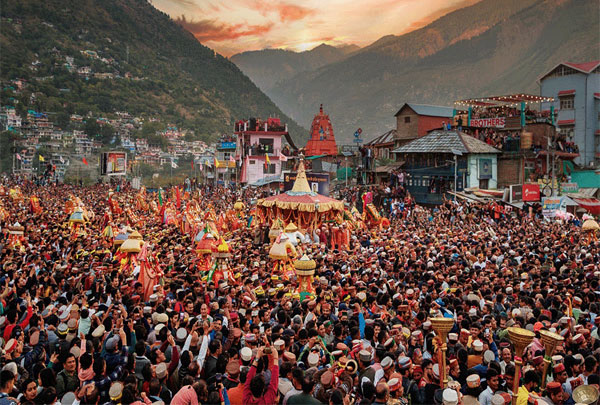
When Dussehra celebrations in many parts of India are reaching their conclusion, the Kullu Valley in Himachal Pradesh begins a festival with a character entirely its own. Kullu Dussehra brings local deities from villages across the surrounding Himalayan region to Kullu, where religious processions, ceremonial gatherings, traditional music, cultural performances, fairs, and community activities continue for several days. The valley setting, autumn weather, mountain scenery, and participation of numerous village communities give the celebration a distinctly Himalayan identity.
For international travelers, Kullu Dussehra provides a valuable opportunity to see a side of North India that differs considerably from the forts, palaces, and large cities of the Golden Triangle. The festival is rooted in the religious traditions of the Kullu Valley and remains closely connected with village life. Decorated palanquins carrying local deities arrive with groups of devotees, musicians play traditional drums and wind instruments, and the central festival grounds become a meeting point for communities from different parts of the region.
The celebration is centered on Lord Raghunath, who holds an important place in Kullu’s religious history. Ceremonies connected with Lord Raghunath form the religious core of the festival, while the arrival of village deities gives Kullu Dussehra its most distinctive visual and cultural character. Visitors who take time to understand this relationship can appreciate why the festival means far more to local residents than a series of performances organized for tourists.
A Kullu Dussehra journey can also be combined naturally with Manali, Naggar, the Kullu Valley, Shimla, Dharamshala, or other parts of Himachal Pradesh. For travelers interested in Himalayan traditions, photography, village culture, religion, handicrafts, and mountain landscapes, the festival can become the central event around which a broader Himachal itinerary is planned.
What Makes Kullu Dussehra Different from Dussehra Elsewhere in India?
Dussehra is celebrated in many parts of India and is commonly associated with the victory of Lord Rama over Ravana. In numerous cities, large effigies of Ravana, Meghnath, and Kumbhkaran are burned to symbolize the victory of good over evil. Kullu Dussehra follows a noticeably different tradition, which is one of the main reasons it is so interesting for foreign travelers.
Instead of concluding on Vijayadashami, the principal Kullu celebrations traditionally begin around that time and continue for several days. The focus is not primarily on large Ravana effigies. Lord Raghunath and the gathering of numerous local deities form the heart of the festival. Village communities travel toward Kullu carrying their deities in decorated palanquins, often accompanied by musicians and devotees. The resulting gathering represents religious relationships that connect villages throughout the valley.
For overseas visitors who have already seen Dussehra in Delhi, Varanasi, Jaipur, or another Indian city, Kullu can therefore feel like an entirely different festival. The underlying themes of faith and the victory of good remain important, but local Himalayan traditions shape how those ideas are expressed.
History of Kullu Dussehra
The history of Kullu Dussehra is closely associated with the former rulers of Kullu and the worship of Lord Raghunath. The festival tradition is generally linked with Raja Jagat Singh, a seventeenth-century ruler of Kullu. Religious accounts describe events in the king’s life that led him to become a devotee of Lord Rama, worshipped locally in the form of Lord Raghunath.
An image of Lord Raghunath was brought to Kullu, and the deity gradually became central to the religious identity of the former Kullu kingdom. The ruler is traditionally said to have placed his authority symbolically under Lord Raghunath, establishing a relationship between royal power and religious devotion that influenced the development of the Dussehra celebrations.
Over time, local deities from communities across the valley became connected with the annual gathering. Their participation transformed the festival into a remarkable assembly of Kullu’s village religious traditions. Although tourism and modern cultural programs are now part of the event, this historical and devotional foundation remains essential to understanding Kullu Dussehra.
Lord Raghunath and the Religious Heart of the Festival
Lord Raghunath, a form of Lord Rama, occupies the central position in Kullu Dussehra. During the main ceremonies, the deity is placed in a decorated chariot and becomes the focus of processions and acts of devotion.
For international travelers, the chariot procession is one of the most important events to understand. It is not a decorative parade created for visitors. Large numbers of devotees participate because of their religious connection with Lord Raghunath. The movement of the chariot and gathering of other deities around it form part of a living ritual tradition.
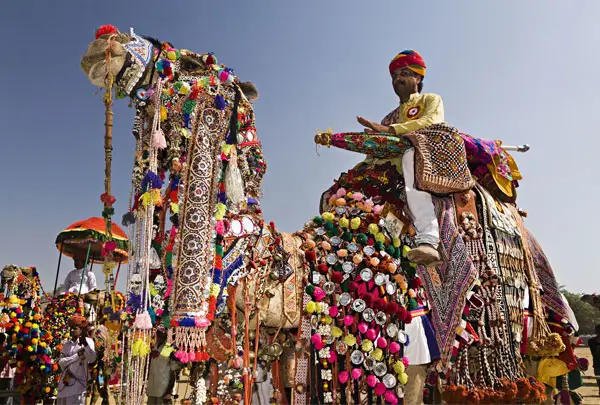
The presence of musicians, decorated palanquins, ceremonial umbrellas, local clothing, and large crowds creates a visually powerful scene. However, the religious significance should remain central to how visitors approach it. Travelers should avoid obstructing processions, standing in ceremonial routes for photographs, or entering areas reserved for devotees and religious representatives.
The Gathering of Kullu Valley Deities
One of the most remarkable aspects of Kullu Dussehra is the gathering of local gods and goddesses from villages across the Kullu Valley. Many Himalayan communities have their own presiding deities, with traditions that remain deeply connected to village identity, agriculture, social life, and local history.
During the festival period, these deities are carried toward Kullu in elaborately decorated palanquins. Groups of villagers accompany them, sometimes traveling considerable distances from mountain communities. Traditional musicians may walk alongside the procession, creating a combination of drums, horns, movement, colorful fabrics, and ceremonial objects.
For foreign visitors, seeing these groups arrive can be as interesting as the main events at the festival grounds. Each group has its own identity and traditions, and the gathering demonstrates the cultural diversity that exists within a relatively compact Himalayan region.
The palanquins and sacred objects should always be treated respectfully. Visitors should not touch them, block their movement, or attempt to pose with them unless explicitly invited by the responsible community members.
Dhalpur Maidan – Center of Kullu Dussehra
Much of the public festival activity is centered around Dhalpur Maidan in Kullu. During Dussehra, this large open area changes into a busy gathering place filled with religious activity, cultural programs, temporary stalls, local products, food, visitors, and community groups.
The grounds can become extremely active during peak hours. Families from across Himachal Pradesh attend alongside pilgrims, domestic tourists, international visitors, performers, traders, and photographers. The combination creates a festival atmosphere very different from Kullu on an ordinary day.
International travelers should allow enough time to walk through the grounds without trying to follow a rigid minute-by-minute sightseeing schedule. Cultural performances may run according to festival arrangements, while religious processions can create temporary changes in movement around the area.
The best approach is to identify the major ceremonies and performances in advance while leaving some unstructured time for walking, photography, and observing local activity.
The Rath Procession of Lord Raghunath
The Rath Yatra, or chariot procession of Lord Raghunath, is one of the most important moments of Kullu Dussehra. Large numbers of devotees gather as the decorated chariot moves through the festival area.
The energy surrounding the procession can be intense. Devotees pull the chariot, musicians perform, village deity groups gather nearby, and crowds attempt to find a view of the ceremony. For photographers, the event provides dramatic images, but obtaining photographs should never take priority over personal safety or religious etiquette.
Visitors should choose a viewing position before the procession reaches its most crowded stage. Attempting to move through a dense crowd with heavy camera equipment can be difficult. A moderate telephoto lens can help photographers capture details while remaining farther from the main ceremonial route.
A knowledgeable guide can also explain what is happening during different stages of the procession, making the event easier to understand for visitors unfamiliar with Hindu and Himachali traditions.
Traditional Music During Kullu Dussehra
Music is inseparable from the atmosphere of Kullu Dussehra. Village deity processions are often accompanied by traditional Himachali instruments, including drums and wind instruments whose sound can be heard across the festival grounds.
For international travelers, these musical traditions provide an important link with village culture. The musicians are not simply performing on a modern stage; in many cases, music accompanies the movement and worship of the local deities.
The rhythm can change as groups move, stop, gather, and participate in ceremonies. Listening to the sound of several deity processions approaching from different directions can be one of the most memorable parts of the festival.
Visitors interested in music should spend time around the village groups rather than attending only the larger scheduled cultural performances.
Himachali Folk Dance and Cultural Programs
Kullu Dussehra also includes cultural performances representing traditions from Himachal Pradesh and, depending on the annual program, performers from other regions may participate as well. Traditional dance, music, costumes, and stage presentations add another dimension to the festival.
The well-known Nati dance tradition of Himachal Pradesh may feature prominently in regional cultural programs. Nati is generally performed in groups, with participants moving rhythmically together rather than relying on fast individual movements. The coordinated patterns, traditional clothing, and live music provide an accessible introduction to Himachali folk culture for foreign visitors.
Scheduled cultural programs are useful, but they should not replace time spent observing the religious side of Kullu Dussehra. A balanced itinerary should include both organized performances and the less staged activity surrounding the deity gatherings.
Local Clothing and Traditional Dress
Festival days provide opportunities to see traditional clothing from different parts of the Kullu region. The distinctive Himachali cap, woolen garments, shawls, and regional dress are frequently visible among local participants.
Because October weather can be cool, many traditional garments are practical as well as decorative. Wool has historically been important to Himalayan communities, and Kullu remains particularly well known for woven shawls and other wool products.
International visitors interested in textiles can combine the festival with visits to reputable weaving centers or shops. Understanding how local shawls are produced gives more context to the garments seen during the celebration.
When photographing people in traditional clothing, visitors should still request permission for close portraits. Festival participation does not automatically make every local resident a photography subject.
Kullu Shawls, Handicrafts and Festival Shopping
The Kullu region is widely known for handwoven shawls, particularly designs featuring distinctive geometric borders. During the Dussehra period, visitors can find numerous stalls and shops selling shawls, caps, woolen products, handicrafts, and regional goods.
For foreign travelers, shopping can be more rewarding when they understand the difference between locally produced handwoven items and cheaper machine-made products. Reputable cooperatives, weaving centers, and established shops are preferable when purchasing higher-quality textiles.
Visitors interested in handicrafts should allocate separate time for shopping rather than trying to make significant purchases while moving through crowded religious processions.
Festival stalls can still be enjoyable for smaller souvenirs, local snacks, and observing the commercial side of the event.
Best Time to Attend Kullu Dussehra
Kullu Dussehra generally falls during September or October, depending on the Hindu lunar calendar and the annual date of Vijayadashami. International travelers should confirm the exact festival schedule for their year of travel before finalizing flights and hotels.
Unlike one-day festivals, Kullu Dussehra continues for several days. Travelers therefore have some flexibility, but those who want to see the opening procession and important religious events should plan carefully around the official program.
A stay of several nights is preferable to a rushed day trip. It allows visitors to attend important ceremonies, walk around the festival grounds, see local sightseeing attractions, and possibly visit nearby Manali or Naggar.
Arriving at least one day before the principal celebration also reduces the risk of transport delays affecting festival plans.
Weather During Kullu Dussehra
Autumn is an attractive time to visit the Kullu Valley. Daytime weather can be pleasant, while mornings and evenings may be considerably cooler. Conditions can vary according to elevation, weather systems, and the exact festival dates.
International visitors should pack layers rather than relying on one heavy outfit. A comfortable shirt or light sweater may work during the day, while a warmer jacket becomes useful after sunset.
Mountain weather can change quickly, so a compact rain layer can still be sensible. Comfortable closed shoes are important because festival visits involve considerable walking and some surfaces may be uneven.
Travelers continuing to higher elevations around Manali should prepare for colder conditions than those experienced in Kullu town.
Photography at Kullu Dussehra
Kullu Dussehra offers strong opportunities for cultural, documentary, portrait, and travel photography. Decorated deity palanquins, village groups, traditional musicians, Lord Raghunath’s chariot, Himachali clothing, festival stalls, and the Himalayan setting provide a wide range of subjects.
Morning and late-afternoon light can work particularly well for outdoor photography. The strong contrast between colorful ceremonial fabrics and the mountain environment can create striking compositions.
Photographers should avoid stepping directly into processional routes or positioning themselves between a deity and the accompanying community. A long or moderate telephoto lens is often useful for obtaining detailed images without interfering.
Close portraits should be taken respectfully. Some people may welcome photographs, while others may not. Asking permission whenever possible remains the appropriate approach.
Religious Etiquette for Foreign Visitors
Kullu Dussehra is an active religious gathering, so visitors should behave differently than they might at a commercial fair or entertainment festival. Local deities, ceremonial objects, and religious representatives deserve particular respect.
Visitors should not touch deity palanquins, sacred objects, offerings, or ceremonial decorations unless specifically invited. Shoes may need to be removed at temples, and photography can be restricted in particular religious areas.
Foreign travelers should also avoid making jokes about rituals they do not understand. Asking a guide respectful questions is a much better way to learn about unfamiliar practices.
Crowds may become enthusiastic when a deity arrives or a procession begins. Visitors should follow local movement rather than attempting to push through the opposite direction.
Food During Kullu Dussehra
Festival grounds and Kullu town provide numerous opportunities to try local and North Indian food. Visitors may encounter snacks, sweets, vegetarian dishes, and Himachali specialties depending on the venue.
Travelers interested in regional cuisine should also look for opportunities to try Himachali dham, a traditional meal associated with celebrations and special occasions. The exact dishes vary by area and tradition, but dham can provide an interesting introduction to the food culture of Himachal Pradesh.
Foreign visitors should choose busy, clean food stalls or established restaurants and drink safe bottled or properly filtered water. Those with sensitive stomachs may prefer cooked food served hot rather than raw salads or food that has been standing for long periods.
Dietary restrictions should be communicated clearly, particularly for travelers with allergies.
How to Reach Kullu
Kullu lies in Himachal Pradesh and is most commonly reached by road. International visitors frequently begin their journey from Delhi or Chandigarh, continuing into the mountains by private vehicle.
The region also has an airport near Bhuntar, but flight schedules and operating conditions should always be checked for the intended travel period. Mountain weather can affect air services, so an itinerary should not depend on an extremely tight connection.
Road journeys through Himachal take longer than similar distances on flat highways because of mountain terrain. Travelers should use realistic driving times when planning the trip.
During Dussehra, traffic around Kullu can increase considerably, and temporary restrictions may affect access to festival areas.
Where to Stay During Kullu Dussehra
Kullu and the surrounding valley offer hotels and guesthouses, while Manali provides a much larger selection of accommodation, including luxury resorts, boutique properties, and comfortable tourist hotels.
Staying in Kullu provides easier access to the festival and reduces daily travel. This can be particularly valuable for photographers or visitors planning to attend early and late events.
Staying in Manali provides more hotel choices and easier access to Manali sightseeing, but travelers must account for road travel between Manali and Kullu. During festival traffic, journey times may increase.
The best option depends on whether the festival or general Himachal sightseeing is the primary purpose of the trip.
Visiting Manali with Kullu Dussehra
Manali is one of the most practical destinations to combine with Kullu Dussehra. Located farther up the valley, it offers mountain scenery, temples, forests, cafes, local markets, and access to surrounding Himalayan landscapes.
Foreign travelers can spend several nights in Manali before or after the festival. This provides a slower mountain stay and balances the busy atmosphere of Kullu Dussehra with time in a different setting.
Old Manali, Hadimba Temple, Naggar, and other nearby attractions can be included according to interests and available days. Seasonal road and weather conditions should always be considered for excursions toward higher mountain areas.
A Kullu-Manali combination works particularly well for travelers who want both cultural traditions and Himalayan landscapes.
Naggar and the Cultural Heritage of Kullu Valley
Naggar, the former capital of the Kullu kingdom, can add historical depth to the festival journey. Its traditional architecture, castle, temples, village atmosphere, and association with artist Nicholas Roerich make it an interesting stop between Kullu and Manali.
Foreign travelers interested in history and art may find Naggar especially rewarding because it is quieter than the main tourist centers. The village provides a closer look at traditional Himalayan architecture and the historical landscape of the valley.
Including Naggar also helps visitors understand that Kullu Valley’s cultural identity extends well beyond the Dussehra grounds.
A relaxed half-day or longer visit can be incorporated without interfering with the main festival when the itinerary includes enough nights.
Combining Kullu Dussehra with Shimla
Travelers arriving by road from Delhi or Chandigarh can include Shimla as part of a longer Himachal itinerary. The former British hill station provides colonial-era architecture, mountain views, markets, and a very different historical atmosphere from Kullu.
A route combining Shimla, Kullu, Naggar, and Manali can work well when enough days are available. However, road travel through the mountains should not be underestimated.
International visitors sometimes plan Himachal itineraries based only on kilometer distances and then find themselves spending too many hours in vehicles. A slower route with multiple-night stays provides a much better experience.
The Kullu Dussehra dates should remain the fixed point around which the rest of the route is arranged.
Combining Kullu Dussehra with Dharamshala
Travelers particularly interested in Himalayan religion can also combine Kullu with Dharamshala and McLeod Ganj, which are strongly associated with Tibetan Buddhism and the Tibetan community in India.
The contrast is culturally interesting. Kullu Dussehra introduces visitors to local Hindu deity traditions of the western Himalayas, while Dharamshala provides insight into Tibetan Buddhist culture.
The road journey requires adequate time, so the combination works best for travelers with a longer itinerary.
Such a route can be especially appealing to repeat visitors to India who want to move beyond the Golden Triangle and concentrate on the Himalayan states.
How Many Days Should International Travelers Plan?
A stay of three or four nights around Kullu works well for many festival visitors, although the ideal duration depends on which ceremonies they want to attend. Travelers combining Kullu with Manali should generally allow additional nights rather than attempting both destinations from a single short stay.
One day can focus on the major festival processions and deity gatherings, while another allows visitors to spend more time at Dhalpur Maidan, cultural programs, local markets, and Kullu sightseeing.
Additional days can be used for Naggar, Manali, village visits, or local handicrafts. Photographers may also want more than one festival day because procession positions, light, weather, and crowd conditions change.
A slower itinerary is particularly useful for international visitors unfamiliar with mountain road travel.
Planning a Kullu Dussehra Tour with India Fortune Journey
A well-designed Kullu Dussehra tour should be based on the confirmed annual festival dates and the traveler’s main interests. Visitors who prioritize religious traditions need a different schedule from those primarily interested in photography, cultural performances, handicrafts, or a broader Himachal vacation.
India Fortune Journey can arrange private transportation, suitable accommodation, guided festival visits, Kullu Valley sightseeing, and extensions to Manali, Naggar, Shimla, Dharamshala, or other North India destinations. International travelers arriving through Delhi can also combine Himachal Pradesh with Agra and Jaipur when sufficient time is available.
The festival deserves more than a brief stop between Delhi and Manali. Watching village deities arrive with their communities, hearing traditional Himalayan musicians, understanding the role of Lord Raghunath, spending time at Dhalpur Maidan, and seeing the Kullu Valley during the autumn festival season gives travelers a much fuller understanding of Himachal Pradesh.
For overseas visitors seeking a cultural festival that remains closely connected with local religious life, Kullu Dussehra in Himachal Pradesh provides a strong reason to travel beyond India’s better-known city routes and spend meaningful time in the western Himalayas.
Fair Festivals
Personalized Travel Experiences Across India
Tell us about your
Travel Plans
Share your travel preferences and our destination specialists will create a personalized itinerary along with the best travel recommendations and pricing. Most inquiries receive a detailed response within 24 hours with no obligation.
Have a Question?
Whether you're planning a private tour, luxury holiday, family vacation, chauffeur-driven journey, hotel booking, or a customized India itinerary, our travel experts are ready to assist you.
Share your requirements and we'll provide the best travel options, recommendations, and pricing tailored to your needs.