
- /
- Fair & Festivals
- / Surajkund International Crafts Mela – Faridabad, Haryana
Surajkund International Crafts Mela – Faridabad, Haryana
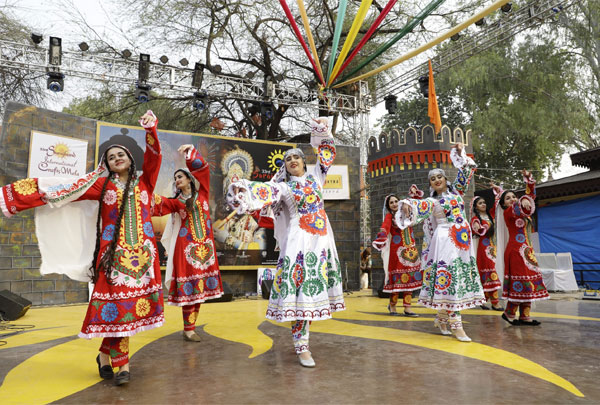
A short journey from Delhi leads to one of India’s largest gatherings devoted to traditional craftsmanship, regional culture, handloom products, folk performances, and food. The Surajkund International Crafts Mela, held in the Surajkund area of Faridabad, Haryana, brings artisans and cultural participants together in a large fair environment where visitors can encounter craft traditions from numerous parts of India during a single visit. International participation adds another dimension, while changing annual themes and cultural programs help ensure that each edition has its own character.
For foreign travelers, Surajkund offers something very different from visiting a museum or shopping in a conventional handicraft showroom. Artisans may be seen working with textiles, wood, clay, metal, embroidery, painting, natural fibers, jewelry, leather, decorative materials, and other traditional media. Instead of seeing a finished object without context, visitors can often observe the people and techniques behind the products. Conversations with craftspeople can reveal where an item comes from, how it is made, what materials are used, and whether the design has a particular regional or community history.
The mela is equally valuable for travelers interested in India’s cultural diversity. Traditional dress, music, dance, food, architecture-inspired decorations, regional pavilions, and performance areas introduce visitors to traditions extending far beyond Delhi and Haryana. Someone on a relatively short North India trip may encounter cultural references from Rajasthan, Gujarat, Punjab, Kashmir, the Himalayan states, central India, eastern India, southern India, and other regions without having enough time to travel to all of them separately.
A successful Surajkund Crafts Mela tour should not be treated as a quick shopping stop. The grounds are extensive, crowds can be heavy, and travelers interested in crafts can easily spend several hours speaking with artisans and watching demonstrations. Adding cultural performances and food makes a half-day or full-day visit much more appropriate.
What Is Surajkund International Crafts Mela?
The Surajkund International Crafts Mela is a major annual cultural fair organized around handicrafts, handlooms, traditional skills, folk culture, regional cuisine, and performing arts. It has developed into a large platform where craftspeople can present and sell their work directly to visitors.
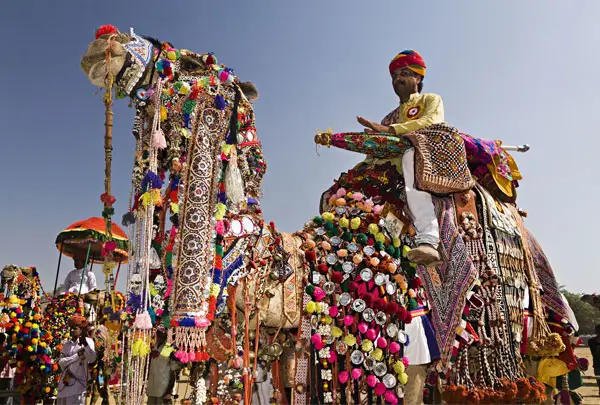
The event differs from a normal trade exhibition because its cultural environment is an important part of the experience. Stalls and displays may incorporate regional architectural or decorative themes, performers appear in traditional clothing, musicians move through the grounds, and food areas introduce dishes associated with different parts of India.
International participation has also become part of the fair’s identity. The exact countries, states, artisans, and performers represented can change from one edition to another, so visitors should check the current program rather than assuming that previous-year participants will return.
For foreign travelers, the event provides a useful introduction to India’s extraordinary regional diversity and to the difference between handcrafted objects and industrially produced souvenirs.
The Importance of Indian Handicrafts
India’s handicraft traditions developed over centuries in villages, royal courts, temple communities, trading centers, and family workshops. Different regions became associated with particular materials and skills depending on local resources, patronage, cultural traditions, and trade networks.
Textile weaving, block printing, embroidery, pottery, wood carving, metalwork, jewelry, basketry, leatherwork, stone carving, painting, carpet making, and numerous other skills continue in different parts of the country. In many cases, knowledge is passed from one generation to another within families or artisan communities.
Modern mass production creates significant competition for these crafts. Machine-made products can imitate traditional designs at much lower prices, while younger generations may choose other careers if craft work does not provide a sustainable income.
A fair such as Surajkund gives artisans an opportunity to meet customers directly. For travelers, buying carefully selected handmade products can therefore support living craft traditions rather than simply adding another souvenir to a suitcase.
Meeting Artisans at Surajkund Mela
One of the strongest aspects of the mela is the possibility of meeting the people who actually make the products. At some stalls, visitors may see craftspeople weaving, painting, carving, embroidering, shaping clay, or working with other materials.
Foreign visitors should take advantage of these opportunities by asking thoughtful questions. Where was the craft made? How long does one piece take? Is the work completed entirely by hand? What materials are used? Does the design have a particular local meaning? These questions often lead to much more interesting interactions than simply asking the price.
Language differences can occasionally make detailed conversations difficult, but gestures, demonstrations, and assistance from a guide can help.
Visitors should also ask before photographing an artisan at close range. Most craftspeople are accustomed to visitors, but basic courtesy remains important.
Handloom Traditions at Surajkund
India has a particularly rich handloom heritage, and textiles are among the most interesting products for overseas visitors. Different regions use distinct fibers, weaving methods, colors, motifs, embroidery styles, printing techniques, and finishing processes.
Depending on annual participation, travelers may encounter shawls, scarves, saris, stoles, dress fabrics, home furnishings, rugs, embroidered pieces, handwoven cloth, and other textile products.
Foreign visitors should not assume that every colorful fabric is handmade. Asking how the textile was produced is important, particularly when price and authenticity matter.
Travelers buying handloom products should also ask about washing and maintenance. Natural dyes, delicate embroidery, wool, silk, and handmade fabrics can require specific care after returning home.
Embroidery and Textile Decoration
Embroidery traditions vary dramatically across India. Some rely on dense geometric patterns, while others use mirrors, floral motifs, fine thread work, appliqué, beads, or highly detailed surface decoration.
At Surajkund, the presence of artisans from different regions can make these contrasts easier to understand. Seeing two embroidered textiles side by side may reveal differences in stitches, materials, motifs, and color choices that are difficult to appreciate from photographs alone.
International visitors interested in fashion, interior design, or textile history can spend considerable time in this part of the fair.
Higher prices for detailed handmade embroidery often reflect the number of hours involved. Travelers should consider workmanship rather than comparing a handmade piece directly with a machine-embroidered product available at a lower price.
Pottery and Clay Traditions
Pottery is another craft visitors may encounter at Surajkund. India has numerous regional ceramic and clay traditions, ranging from everyday cooking and storage vessels to decorative pottery, painted objects, terracotta figures, and ceremonial items.
Watching a potter work can be particularly interesting for families and travelers interested in traditional production methods. The apparent simplicity of shaping clay hides years of experience in controlling pressure, form, moisture, drying, and firing.
Travelers purchasing pottery should think practically about transportation. Fragile pieces need careful packing, especially when continuing through several Indian cities before an international flight.
Asking the artisan how the object was fired, painted, and traditionally used can provide cultural context beyond its decorative value.
Woodwork and Carving
India’s woodcraft traditions include furniture, carved panels, boxes, toys, household objects, decorative items, religious figures, and architectural details. Styles differ according to local wood types and regional design traditions.
At Surajkund, smaller carved products are particularly practical for international visitors because they can be packed more easily than large furniture.
Travelers should check the type of wood used and be aware that some countries regulate the import of certain plant or wood materials. For valuable purchases, proper documentation can be useful.
The strongest pieces are often those where the marks of hand carving remain visible rather than objects manufactured to look perfectly identical.
Metal Crafts and Traditional Decorative Work
Metalworking has a long history across India, producing everything from functional household objects to religious items, jewelry, lamps, decorative pieces, sculptures, and ceremonial objects.
Different regions may work with brass, copper, bell metal, iron, silver, or combinations of materials. Production techniques can include casting, hammering, engraving, inlay, and other specialized processes.
International travelers interested in interiors often find metalwork attractive because smaller items can be relatively easy to transport.
Visitors should still consider weight when shopping. A group of seemingly small brass objects can add substantial weight to international luggage.
Traditional Paintings and Regional Art
Surajkund can also introduce visitors to regional painting traditions. Indian painting extends well beyond large gallery canvases and includes miniature traditions, folk painting, devotional images, tribal art, narrative painting, and decorative forms.
Artists may work on paper, cloth, canvas, wood, or other surfaces depending on the tradition.
Foreign visitors should ask whether the artist selling the work created it personally and whether the painting represents a particular regional style.
Purchasing directly from an artist can create a stronger connection with the artwork, especially when the traveler understands the story, symbolism, or technique behind it.
Jewelry and Traditional Accessories
Jewelry stalls can be another major attraction. Depending on participating artisans, visitors may encounter silver jewelry, beads, metal ornaments, costume jewelry, bangles, earrings, necklaces, and regionally influenced designs.
Foreign travelers should distinguish between decorative fashion jewelry and high-value precious jewelry. Expensive purchases involving gold, gemstones, or significant silver value require more care than inexpensive craft accessories.
Receipts should be obtained for costly items, and travelers should understand customs regulations in their home country.
For smaller purchases, traditional jewelry can be an easy-to-carry reminder of the regions represented at the mela.
Folk Music at Surajkund
Music gives the mela much of its energy. Visitors may hear performers from different states presenting regional folk traditions, while smaller groups can sometimes perform in open areas away from the principal stage.
For international travelers, these informal performances can be particularly enjoyable because they allow closer observation of instruments, clothing, and interaction between musicians.
Indian folk music differs greatly between regions. Desert musicians from Rajasthan, Punjabi performers, Himalayan traditions, percussion groups, and artists from other states can create completely different soundscapes.
Travelers should check the cultural schedule if music is a major interest because significant performances may be programmed for particular days or evenings.
Folk Dance and Cultural Performances
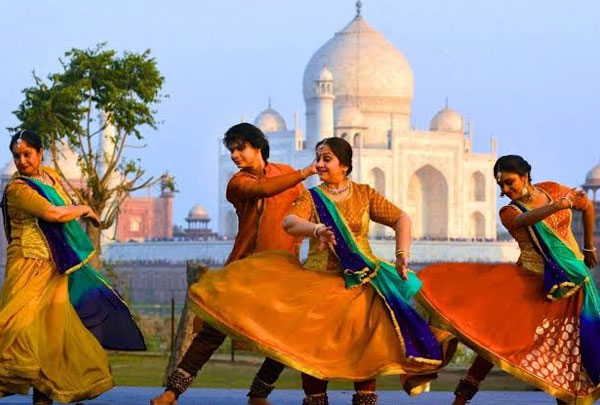
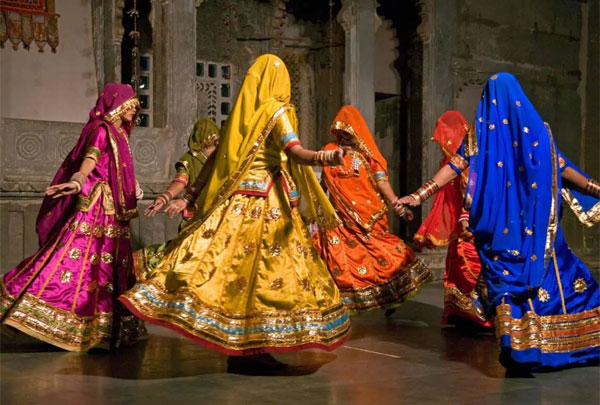
Dance programs add another layer to the mela’s representation of India. Traditional group dances, regional costumes, rhythmic performances, and cultural presentations can appear throughout the event.
A traveler attending only one stage show should not assume it represents “Indian dance” as a whole. India contains a huge variety of folk and classical traditions, each connected with particular regions, communities, festivals, or historical settings.
The mela provides a useful introduction precisely because several different traditions may be seen within one day.
Visitors interested in photography should remain aware of other spectators and avoid blocking seated audiences while trying to obtain photographs.
International Participation at Surajkund
The word International in the event’s name reflects participation beyond India. Depending on the year, craftspeople and cultural performers from other countries may be represented.
The participating countries and scale of international involvement can change annually. Travelers should therefore rely on the current official program rather than previous-year promotional material.
International stalls can be interesting because they allow visitors to compare craft traditions, textiles, decorative arts, and performance styles across different cultures.
For overseas visitors, this also makes the mela feel less like a conventional local fair and more like a broad cultural gathering centered on craftsmanship.
Theme States and Changing Annual Features
Different editions of Surajkund Mela may highlight particular states, cultural themes, or partner participation. This can influence decorations, performances, food, architecture-inspired displays, and the representation of crafts.
Because these features change, repeat visitors can have a different experience from one year to another.
International travelers planning specifically around a particular regional interest should confirm the current theme before travel.
Even without a special interest in the annual theme, the overall range of crafts generally remains the main reason to visit.
Regional Food at Surajkund Mela
Food is an important part of the Surajkund experience. Visitors may find stalls representing cuisines from different Indian regions, providing an opportunity to try dishes beyond the familiar restaurant menus of Delhi, Agra, and Jaipur.
The range can include snacks, breads, vegetarian preparations, rice dishes, sweets, beverages, and regional specialties depending on the participating vendors.
Foreign travelers should choose busy stalls where food is prepared continuously and served hot. People with sensitive stomachs may prefer cooked dishes rather than raw salads or food that has been exposed for long periods.
Allergies should be communicated clearly because Indian dishes can contain nuts, dairy, wheat, sesame, and other ingredients that may not be immediately visible.
Shopping at Surajkund – What Foreign Visitors Should Know
Travelers who enjoy crafts should approach Surajkund with a plan. The size and variety of the mela can make impulsive shopping easy, particularly during the first hour.
It is often better to walk through a section, compare quality and workmanship, speak with artisans, and then return to preferred stalls. Photographs of stall numbers or location notes can help visitors find a particular seller again.
Bargaining may be possible in some circumstances, but not every price should be treated as the beginning of an aggressive negotiation. Handmade products require time and skill, and a small difference in price can be significant to an artisan.
Foreign visitors purchasing several products should also monitor luggage weight and packing requirements throughout the day.
How to Identify Handmade Products
Distinguishing handmade work from factory production is not always easy. Small variations in pattern, stitching, carving, shape, or finish can indicate hand production, but these signs are not universal.
The best approach is to ask the seller about the production process. An artisan should generally be able to explain materials, techniques, origin, and approximate production time.
Demonstrations are particularly valuable because visitors can see the skill involved directly.
Travelers should be cautious of exaggerated claims that every object is rare, antique, entirely handmade, or available only that day. Buying based on quality and personal interest is more sensible than responding to sales pressure.
Photography at Surajkund Crafts Mela
Surajkund offers extensive opportunities for travel, portrait, craft, food, and performance photography. Colorful stalls, artisan demonstrations, textiles, pottery, traditional dress, musicians, dancers, and food preparation provide a wide range of subjects.
The most meaningful photographs often show craftspeople working rather than only finished products. Hands weaving, carving, painting, shaping clay, or embroidering can communicate the skill behind an object.
Close portraits should be requested respectfully. Visitors should not assume that purchasing an item automatically gives permission to photograph the artisan.
Professional photographers should check current rules regarding tripods, large equipment, or commercial photography.
Best Time of Day to Visit
Travelers primarily interested in crafts may prefer arriving earlier, when the grounds can be easier to navigate and conversations with artisans may be less rushed.
Later in the day, the atmosphere can become more energetic as visitor numbers increase and cultural performances begin.
Photographers may want to stay through changing daylight because the mela has a different character after sunset when decorative lighting and stage programs become more prominent.
A half-day visit is workable, but a full day is better for travelers who want to shop carefully, eat regional food, and attend performances.
When Is Surajkund Crafts Mela Held?
The mela is generally associated with the February period, which is one of the more comfortable times to visit Delhi and the surrounding region. Exact dates and operating arrangements should be confirmed for the relevant year.
February mornings and evenings can be cool, while daytime temperatures are often comfortable for walking outdoors.
Weather can vary from year to year, so layered clothing is useful.
International travelers should avoid booking solely on dates copied from old travel articles because annual schedules can change.
What to Wear at Surajkund
Comfortable clothing and good walking shoes are essential because the grounds require considerable walking. Foreign visitors do not need traditional Indian clothing.
Layers work well during February because temperatures can change between morning, afternoon, and evening. A light jacket or sweater may be useful after sunset.
Sunscreen, sunglasses, and a hat can still be valuable during bright daytime conditions.
Travelers expecting to shop should consider carrying a lightweight foldable bag, although valuable purchases should remain secure in crowded areas.
Crowd and Safety Planning
Surajkund can become extremely busy, particularly on weekends, holidays, and during popular evening performances. Visitors should expect queues, crowded walkways, and slower movement.
Phones, wallets, cameras, and cash should remain secure. Carrying unnecessary valuables is not advisable.
Families and private groups should establish a meeting location in case members become separated. Mobile phone connectivity may not always be the best way to reunite immediately in a dense crowd.
Travelers who prefer a quieter experience should consider a weekday visit where possible.
How to Reach Surajkund from Delhi
Surajkund is located in Faridabad, Haryana, close enough to Delhi to be visited as a day excursion. For international travelers, a private car with driver is often the most convenient option because it avoids the need to coordinate multiple forms of transport.
Travel time depends heavily on the starting point in Delhi and traffic conditions. A distance that appears short on a map can take much longer during peak traffic.
Visitors should therefore avoid scheduling a fixed dinner, airport transfer, or train departure immediately after the mela.
A pre-arranged pickup point is particularly useful because the immediate festival area can experience traffic restrictions.
Where Should International Visitors Stay?
Most overseas travelers do not need to change hotels solely for Surajkund. Staying in Delhi and making a day trip is practical when the mela is part of a wider North India itinerary.
Travelers whose primary purpose is the festival may also consider accommodation in the Faridabad or Surajkund area, particularly if they intend to attend on multiple days.
Delhi provides the widest choice of luxury hotels, boutique properties, international brands, and heritage-style accommodation.
The final choice should depend on the rest of the sightseeing program rather than only distance from the mela.
Delhi Sightseeing with Surajkund Mela
Surajkund can be incorporated easily into a Delhi cultural itinerary. Visitors can spend other days seeing Old Delhi, New Delhi, Humayun’s Tomb, Qutub Minar, major religious sites, markets, and museums.
Old Delhi provides an especially useful contrast with Surajkund. The mela presents organized craft traditions from across India, while Old Delhi shows the commercial and historical life of one of the country’s oldest major urban centers.
Humayun’s Tomb and Qutub Minar add architectural context, while selected museums can deepen understanding of Indian history and art.
Travelers should avoid trying to combine a full Delhi sightseeing day with several hours at Surajkund. Separating them produces a much more comfortable schedule.
Combining Surajkund with Agra
International visitors can attend the mela before continuing to Agra for the Taj Mahal and Agra Fort. This creates a natural transition from contemporary craft traditions to Mughal architecture and decorative arts.
The contrast is particularly interesting for travelers interested in design. At Surajkund they can observe living artisans, while Agra introduces historical marble inlay, monumental architecture, and Mughal artistic traditions.
A private road journey makes the Delhi–Agra sector straightforward when traffic and departure times are planned properly.
Travelers can then continue from Agra toward Jaipur.
Combining Surajkund with Jaipur
Jaipur is another excellent destination to combine with the mela because Rajasthan has exceptionally strong craft traditions of its own. Block printing, textiles, jewelry, pottery, stonework, and other crafts can be explored in greater depth after receiving a broad introduction at Surajkund.
Jaipur also adds Amber Fort, City Palace, Jantar Mantar, Hawa Mahal, markets, and Rajput history.
Travelers particularly interested in shopping should plan purchases carefully between Delhi, Surajkund, and Jaipur rather than buying every item on the first day.
The two destinations together provide both a national overview and a more focused introduction to Rajasthan craftsmanship.
Surajkund Mela with the Golden Triangle
For first-time foreign travelers, one practical itinerary is:
Delhi – Surajkund – Agra – Jaipur
Delhi provides Mughal, colonial, religious, and modern heritage. Surajkund introduces handicrafts and regional cultural traditions. Agra provides the Taj Mahal and major Mughal architecture, while Jaipur adds Rajput forts, palaces, markets, textiles, and jewelry.
The mela date should be confirmed first and then incorporated into the Delhi portion of the trip.
Travelers with additional time can continue from Jaipur into a longer Rajasthan route covering Pushkar, Jodhpur, Udaipur, or Jaisalmer.
How Much Time Should You Spend at Surajkund Mela?
A minimum of four to five hours is useful for travelers who want to see the major craft areas without rushing. A full day is preferable for visitors with a serious interest in handicrafts, shopping, folk performances, or photography.
The size of the event means that attempting to inspect every stall is unrealistic. Travelers should concentrate on craft categories and regions that interest them most.
A lunch or food break can be incorporated inside the mela, followed by afternoon shopping and evening cultural programs.
Visitors attending primarily for photography may also benefit from staying until later in the day when lighting and performances change the atmosphere.
Planning a Surajkund Crafts Mela Tour with India Fortune Journey
A well-designed Surajkund International Crafts Mela tour should account for traffic, festival crowds, the traveler’s shopping interests, cultural program timings, and the wider Delhi itinerary. Simply adding a two-hour stop between monuments does not provide enough time to appreciate the event.
India Fortune Journey can arrange private transportation from Delhi, suitable accommodation, festival visits, Delhi sightseeing, and onward travel through Agra, Jaipur, and Rajasthan. The itinerary can be adapted for travelers particularly interested in textiles, handicrafts, photography, regional food, folk performances, or shopping.
Foreign visitors interested in crafts can spend additional time with selected artisans and then continue to Jaipur or other craft-producing regions for a deeper look at particular traditions. First-time India travelers can use Surajkund as an introduction to the enormous cultural differences between Indian states before continuing through the Golden Triangle.
The value of Surajkund International Crafts Mela lies in the people behind the objects. A woven shawl, embroidered textile, clay vessel, carved wooden box, metal ornament, or painting becomes much more interesting when the traveler understands who made it, where the technique developed, how much work it requires, and why the tradition continues. That direct connection between artisan, craft, and visitor makes Surajkund one of the most useful cultural additions to a February journey through Delhi and North India.
Fair Festivals
Personalized Travel Experiences Across India
Tell us about your
Travel Plans
Share your travel preferences and our destination specialists will create a personalized itinerary along with the best travel recommendations and pricing. Most inquiries receive a detailed response within 24 hours with no obligation.
Have a Question?
Whether you're planning a private tour, luxury holiday, family vacation, chauffeur-driven journey, hotel booking, or a customized India itinerary, our travel experts are ready to assist you.
Share your requirements and we'll provide the best travel options, recommendations, and pricing tailored to your needs.