
- /
- Fair & Festivals
- / Khajuraho Dance Festival – Madhya Pradesh
Khajuraho Dance Festival – Madhya Pradesh
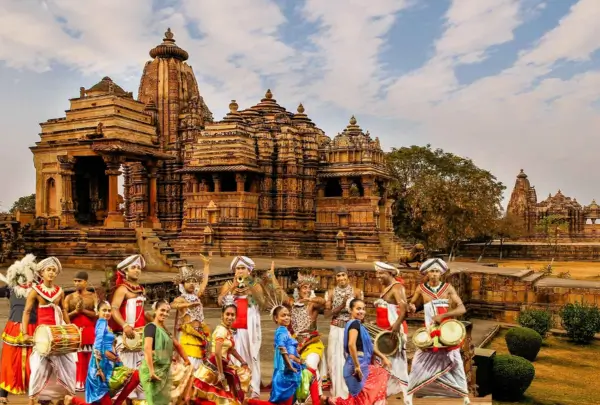
The historic temple town of Khajuraho in Madhya Pradesh becomes an important centre of Indian performing arts each year when accomplished classical dancers gather for the Khajuraho Dance Festival. Set against the architectural legacy of the Chandela dynasty, the festival brings together traditional dance forms, Indian music and centuries of artistic expression. The performances are presented in a setting closely associated with sculpture, religious symbolism and the cultural achievements of medieval India. For international visitors, the event provides an opportunity to appreciate Indian classical dance while visiting one of the country's most remarkable UNESCO World Heritage Sites.
The Khajuraho Dance Festival is generally held in February, when the weather in central India is comparatively comfortable for outdoor cultural programmes. Organised under the cultural initiatives of the Madhya Pradesh government, the festival features established performers and talented artists representing different Indian classical dance traditions. Bharatanatyam, Kathak, Odissi, Kuchipudi, Kathakali and other recognised styles may form part of the programme, depending on the annual selection of artists. Each performance reflects a different regional tradition through movement, rhythm, costume, music and storytelling, allowing visitors to understand the diversity of India's classical performing arts.
Unlike commercial entertainment festivals, the Khajuraho Dance Festival places considerable emphasis on artistic heritage and the relationship between dance and traditional Indian culture. Its setting near the historic temples creates a connection between the sculptural representation of movement and the continuing practice of classical dance. Travellers attending the event can combine evening performances with daytime visits to ancient temples, archaeological sites, local villages and nearby natural attractions. This combination makes Khajuraho particularly appealing to visitors interested in Indian history, architecture, photography, cultural traditions and performing arts.
History and Origins of the Khajuraho Dance Festival
The Khajuraho Dance Festival was established in 1975 with the objective of promoting Indian classical dance and drawing attention to the cultural importance of the Khajuraho temple complex. The event developed into an annual gathering where leading performers could present traditional dance forms before audiences from India and abroad. Its location was chosen because of the artistic relationship between the temple sculptures and the expressive movements found in classical Indian dance. Over the decades, the festival has become a recognised cultural event in Madhya Pradesh, contributing to the preservation and public appreciation of India's performing arts traditions.
The historical temples of Khajuraho were constructed primarily between the 10th and 11th centuries under the patronage of the Chandela rulers. Their walls contain intricate sculptures representing deities, musicians, dancers, celestial figures and scenes from everyday life. These carvings demonstrate the importance of artistic expression within the social and religious environment of the period. The dance festival draws upon this historical setting without suggesting that the modern event itself dates back to the Chandela era. Instead, it establishes a contemporary cultural connection with an architectural tradition in which music, movement and sculpture occupied an important place.
Since its establishment, the festival has provided a platform for artists trained in different classical dance schools. The programme has evolved through changing performance styles, audience interests and cultural initiatives, while maintaining its emphasis on traditional Indian dance. Cultural exhibitions, artistic activities and heritage-related programmes have also accompanied certain editions of the festival. For visitors interested in the development of Indian performing arts, the event offers an opportunity to see how inherited artistic traditions continue to be taught, interpreted and performed in modern India.
Cultural Significance of the Khajuraho Dance Festival
Classical dance occupies an important position in Indian cultural history because it combines physical movement with music, poetry, mythology and emotional expression. Many dance traditions have connections with temple practices, royal patronage, regional courts and community performance cultures. The Khajuraho Dance Festival brings these traditions together in one location, making it possible for audiences to observe their similarities and differences. Each dance form follows its own technical vocabulary, musical structure and approach to storytelling, reflecting the cultural history of the region where it developed.
The festival also highlights the relationship between architecture and performing arts. Khajuraho's temple sculptures contain numerous depictions of musicians, dancers and expressive human figures, demonstrating the importance of artistic activity in the Chandela period. The movements of contemporary dancers can evoke aspects of this visual heritage, although the sculptures and modern classical dance systems should not be treated as identical historical traditions. This relationship between ancient artistic representation and present-day performance contributes to the distinctive atmosphere of the festival.
For international tourists, the cultural value of the festival extends beyond watching a sequence of stage performances. Visitors encounter Indian artistic traditions that require years of training, disciplined practice and detailed knowledge of music and expression. The performances may draw upon Hindu mythology, Sanskrit literature, devotional poetry or regional narratives, depending on the artist and dance style. Understanding these influences can make the programme particularly rewarding for travellers interested in Indian philosophy, religion, literature and cultural history.
UNESCO World Heritage Temples of Khajuraho
The Khajuraho Group of Monuments was inscribed on the UNESCO World Heritage List in 1986 in recognition of its exceptional architectural and artistic importance. The surviving temples represent some of the finest examples of medieval temple architecture in India and are especially noted for their elaborate stone carvings. Built mainly during the Chandela period, the monuments include temples associated with Hindu and Jain religious traditions. Their architectural compositions feature elevated platforms, richly decorated walls, sculptural panels and towering superstructures that demonstrate the technical achievements of their builders.
The temples are commonly divided into Western, Eastern and Southern groups, each containing monuments with distinctive architectural features. The Western Group includes several of Khajuraho's best-known temples and forms the principal sightseeing area for most visitors. The Eastern Group contains important Jain monuments alongside other historic structures, while the Southern Group offers additional examples of Chandela-period architecture. A comprehensive visit should allow sufficient time to understand these different areas rather than concentrating exclusively on the most frequently photographed temples.
Although Khajuraho is widely known for its erotic sculptures, these represent only a portion of the site's extensive artistic programme. The temples also contain depictions of deities, celestial beings, musicians, dancers, animals, domestic activities and religious symbolism. A knowledgeable guide can explain how these carvings relate to the wider architectural and cultural context of the monuments. Visitors attending the dance festival can benefit from exploring the temples during daylight hours before returning for the evening performances.
Classical Dance Performances at the Khajuraho Festival
The central attraction of the Khajuraho Dance Festival is its programme of classical dance performances presented by accomplished Indian artists. The annual schedule generally brings together dancers representing several regional traditions, giving audiences an opportunity to appreciate different approaches to rhythm, movement and dramatic expression. Some performances are presented by solo artists, while others involve duets or larger dance ensembles. The selection of performers and dance styles changes each year, so visitors should consult the official programme before arranging travel around a particular artist.
Indian classical dance places considerable importance on the relationship between rhythm and expression. Dancers communicate through carefully controlled body movements, hand gestures, facial expressions and coordinated footwork. These techniques may be used to represent mythological stories, devotional themes, emotional experiences or abstract rhythmic compositions. Musicians and vocalists often play an essential role in supporting the performance, creating a close relationship between movement and sound. Even visitors unfamiliar with the technical aspects of Indian dance can appreciate the precision, discipline and artistic communication involved.
The evening performances create an atmosphere that differs from a conventional theatre presentation. The historic surroundings, stage lighting and cultural setting contribute to the experience, although the exact performance venue and stage arrangements may vary between festival editions. Audiences should not assume that performances take place inside protected temple structures. Travellers interested in attending should confirm the venue, seating arrangements, entry requirements and performance timings through official festival information.
Bharatanatyam – The Classical Dance Tradition of Tamil Nadu
Bharatanatyam is one of India's best-known classical dance forms and has strong historical associations with Tamil Nadu. The tradition is recognised for its geometric body positions, expressive hand gestures, rhythmic footwork and detailed facial expressions. Performances often combine pure dance sequences with interpretive passages that communicate stories or devotional themes. The dancer's movements are coordinated with Carnatic music, creating a structured relationship between melody, rhythm and physical expression. Bharatanatyam requires considerable technical discipline, and accomplished performers spend many years developing control over movement and interpretation.
The repertoire frequently draws upon Hindu devotional literature, mythology and compositions dedicated to deities such as Shiva, Vishnu and Krishna. Hand gestures, known as mudras, form part of the expressive vocabulary, while facial expressions communicate different emotional states. Traditional costumes are designed to emphasise the dancer's movements, particularly the bent-knee positions and rhythmic footwork characteristic of the form. Jewellery, makeup and stage presentation also contribute to the visual character of the performance. These elements are not merely decorative but form part of a wider artistic tradition.
When Bharatanatyam appears in the Khajuraho Dance Festival programme, audiences can observe a southern Indian dance tradition within the architectural surroundings of central India. This geographical contrast illustrates the festival's role in bringing different regional cultures together. Visitors who have previously travelled through Tamil Nadu may recognise connections with the performing arts traditions associated with Chennai, Thanjavur and other cultural centres. Those encountering Bharatanatyam for the first time can appreciate its combination of technical precision, musical coordination and expressive storytelling.
Kathak – Rhythmic Storytelling from Northern India
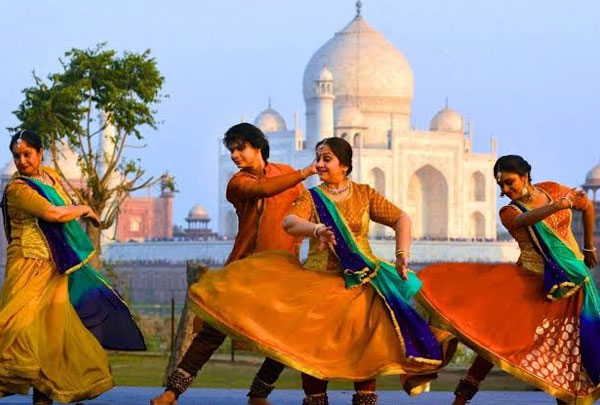
Kathak developed through the cultural traditions of northern India and is particularly associated with storytelling, rhythmic movement and intricate footwork. Its history includes influences from hereditary storytelling communities, devotional traditions and royal court patronage. Over time, different stylistic schools emerged, including the Lucknow and Jaipur gharanas, each with its own artistic emphasis. Kathak performances are especially recognised for rapid turns, complex rhythmic patterns and the controlled use of ankle bells known as ghungroo. These features make the dance visually and musically engaging for audiences unfamiliar with Indian classical performance.
The relationship between the dancer and percussion is central to Kathak. Performers may present rhythmic compositions in dialogue with the tabla or pakhawaj, demonstrating their command of increasingly complex rhythmic cycles. Expressive passages can involve stories from the life of Krishna, romantic poetry or other literary themes. Costume traditions vary according to the performance style and repertoire, reflecting the historical diversity of the form. The combination of abstract rhythm and interpretive storytelling allows Kathak artists to demonstrate both technical skill and emotional expression.
Kathak is particularly relevant to visitors travelling through Rajasthan, Uttar Pradesh and Delhi because these regions have historical connections with the development of the tradition. A performance at Khajuraho can therefore complement a broader North India cultural itinerary. Travellers who have visited Jaipur or Lucknow may find additional interest in learning how regional court traditions influenced the dance. The festival provides an opportunity to appreciate Kathak in a setting where music, movement and historic architecture form part of the wider cultural experience.
Odissi – The Sculptural Dance Heritage of Odisha
Odissi is a classical dance tradition associated with the eastern Indian state of Odisha. Its visual language is especially noted for graceful body positions, curved movements and expressive gestures. The dance has historical connections with religious and performance traditions associated with temples, including the cultural environment surrounding the Jagannath Temple at Puri. Its modern stage repertoire has developed through the work of teachers, performers and cultural institutions dedicated to preserving and refining the form. Odissi is frequently admired for the sculptural quality of its movements and the balance between fluidity and technical structure.
One of the distinctive characteristics of Odissi is the use of the tribhanga posture, in which the body is divided into three bends. This position creates a curved silhouette that is often compared with figures represented in traditional Indian sculpture. Performances combine rhythmic passages with expressive storytelling, frequently drawing upon devotional poetry and themes associated with Krishna. The accompanying music follows traditions connected with Odisha, while the costumes and ornaments reflect regional artistic practices. Together, these elements establish an identifiable performance style.
The appearance of Odissi at Khajuraho creates an interesting artistic relationship between the dance's sculptural vocabulary and the carved figures found on the temples. Visitors can observe how movement and static sculpture communicate ideas through posture, gesture and proportion. Although the historical traditions are distinct, their visual relationship adds depth to the festival experience. For travellers interested in Indian temple art, Odissi performances can provide a particularly meaningful connection between architecture and the living performing arts.
Kuchipudi – Dance and Drama from Andhra Pradesh
Kuchipudi originates from Andhra Pradesh and combines elements of classical dance, dramatic presentation and expressive storytelling. The tradition developed through performance practices associated with the village of Kuchipudi and has evolved into a recognised classical dance form performed by both male and female artists. Its repertoire includes narrative compositions, devotional themes and technically demanding dance sequences. Kuchipudi is known for its lively movement, expressive characterisation and the close relationship between dance and dramatic interpretation. These features distinguish it from other classical traditions while demonstrating shared foundations in Indian performance theory.
A Kuchipudi performance may involve rapid footwork, graceful movement and expressive passages representing different characters or emotions. Certain repertoire traditions include the well-known tarangam, in which a dancer may perform rhythmic movements while balancing on the rim of a brass plate. Such presentations require substantial control and are not included in every performance. Music generally follows the Carnatic tradition, with vocal and instrumental accompaniment supporting the dancer's interpretation. Costume and makeup contribute to the dramatic presentation while allowing freedom of movement.
When included in the Khajuraho Dance Festival, Kuchipudi introduces audiences to another important southern Indian performance tradition. Its combination of theatrical storytelling and technical dance can be particularly accessible to international visitors because of its expressive character. Travellers interested in the wider cultural history of Andhra Pradesh may recognise connections with regional religious narratives and performance traditions. The festival allows these artistic influences to be appreciated alongside dance forms from other parts of India.
Kathakali – Kerala's Elaborate Dance-Drama Tradition
Kathakali is a classical dance-drama tradition from Kerala, recognised for its elaborate makeup, highly stylised costumes and dramatic storytelling. Unlike dance forms that primarily emphasise solo rhythmic compositions, Kathakali places considerable importance on the representation of characters and narrative conflict. Performances often draw upon episodes from the Mahabharata, Ramayana and other traditional sources. The actors communicate through codified gestures, facial movements and physical techniques, while vocalists and percussion musicians provide the musical narrative. The result is a distinctive theatrical tradition requiring extensive training and preparation.
The visual presentation of Kathakali is especially striking because costume and makeup help communicate the nature of different characters. Traditional makeup categories use specific colours and designs to represent character types and moral qualities. Large headpieces, layered costumes and carefully controlled facial expressions contribute to the dramatic effect. The performers' movements are accompanied by percussion instruments such as the chenda and maddalam, creating a powerful rhythmic atmosphere. The preparation process itself can take several hours, reflecting the technical demands of the art form.
Kathakali may appear in selected editions of the Khajuraho Dance Festival, although its inclusion should be confirmed through the annual programme. For international travellers, a Kathakali presentation offers an introduction to Kerala's theatrical heritage without requiring a separate journey to southern India. However, a festival excerpt may differ from a full-length traditional performance. Visitors particularly interested in the form can also consider attending dedicated Kathakali performances during a longer cultural tour of Kerala.
Evening Performances and Festival Atmosphere
Evening is an important part of the Khajuraho Dance Festival because the principal performances are commonly scheduled after daytime sightseeing hours. As visitors gather at the designated venue, the atmosphere gradually shifts from archaeological tourism to a celebration of living cultural traditions. The stage setting, lighting and presence of trained performers create a memorable contrast with the historic surroundings. Depending on the annual programme, audiences may watch several artists or dance groups presenting different classical traditions during the same evening. The sequence of performances provides a broad introduction to Indian dance without requiring specialist knowledge.
The programme may attract cultural enthusiasts, photographers, researchers, domestic tourists and international visitors. Some audience members attend because of their interest in particular performers, while others come to understand the artistic traditions represented at the festival. The setting encourages an appreciation of performance as a disciplined cultural practice rather than simply a form of entertainment. Visitors should remain seated during performances where required, avoid unnecessary movement and respect any restrictions on photography or recording. These considerations help maintain an appropriate environment for the artists and other spectators.
The precise arrangements can change between editions, including the venue, admission process, seating categories and performance schedule. Travellers should confirm current details before planning their evening. During busy festival periods, reaching the venue early can be helpful, particularly when security checks or entry queues are expected. A private tour arrangement can simplify transfers between the hotel and performance area, but admission remains subject to the festival organiser's rules. Visitors should also carry suitable clothing for cooler February evenings.
Art Exhibitions, Workshops and Cultural Activities
In addition to classical dance performances, some editions of the Khajuraho Dance Festival have included cultural exhibitions, artistic workshops and activities intended to promote traditional Indian arts. These programmes may introduce visitors to painting, sculpture, photography, handicrafts or other forms of creative expression. Their purpose is to broaden the festival beyond the main stage and create opportunities for cultural exchange between artists and audiences. The range of activities changes from year to year, so visitors should check the official schedule rather than assuming that every workshop or exhibition will be available during their stay.
Art-related events can be particularly interesting for travellers who want to understand the relationship between traditional craftsmanship and the performing arts. Indian classical dance costumes, ornaments, stage designs and musical instruments are all connected with specialised artistic skills. Exhibitions may provide opportunities to appreciate these disciplines in greater detail, while workshops can offer insights into artistic techniques and cultural practices. Some activities are designed for general visitors, whereas others may be more suitable for students, researchers or experienced practitioners. Advance registration may be necessary for selected programmes.
Travellers with a strong interest in photography, textiles, painting or traditional crafts may wish to allocate additional time for the festival's supporting events. These activities can complement temple sightseeing and create a more varied cultural itinerary. However, it is important to distinguish between officially scheduled programmes and independent commercial activities taking place around Khajuraho during the festival. India Fortune Journey can help travellers organise their sightseeing schedule around confirmed cultural events, subject to availability and the relevant participation conditions.
Kandariya Mahadeva Temple – A Masterpiece of Chandela Architecture
Kandariya Mahadeva Temple is one of the most impressive monuments in the Western Group of Khajuraho temples. Dedicated to Lord Shiva, it represents the architectural sophistication achieved under Chandela patronage during the 11th century. The temple is particularly admired for its towering superstructure, elaborate sculptural decoration and carefully proportioned architectural composition. Its exterior contains numerous carved figures, including deities, celestial beings and representations of human activity. The structure demonstrates the ability of Chandela craftsmen to integrate architectural design with extensive sculptural ornamentation.
The temple's exterior is arranged through a series of projecting surfaces that create changing patterns of light and shadow throughout the day. Visitors can observe how the sculptures are incorporated into the architecture rather than treated as separate decorative additions. The vertical arrangement of the superstructure creates a sense of movement, while the detailed carvings reward careful observation from different viewpoints. A guided visit can explain the religious symbolism, construction techniques and artistic conventions associated with the monument. Photography enthusiasts may find the changing daylight particularly useful for appreciating the depth of the carvings.
Kandariya Mahadeva Temple is especially relevant during the dance festival because many of its sculptural figures depict expressive postures and musicians. These carvings provide historical context for the importance of artistic activity in medieval India. Visitors should remember that the modern dance performances represent living traditions shaped by later historical developments, rather than direct reconstructions of the temple sculptures. The relationship is nevertheless culturally meaningful and contributes to the festival's appeal. Sufficient time should be allowed to appreciate the temple without rushing through the complex.
Lakshmana Temple – Religious Sculpture and Architectural Detail
Lakshmana Temple is another major monument within the Western Group and is among the earlier surviving temples of Khajuraho. Built during the 10th century under Chandela patronage, it is dedicated to Vishnu and contains an extensive programme of religious and decorative sculpture. The temple stands on a raised platform and follows an architectural arrangement that reflects the developed temple-building traditions of the period. Its walls contain representations of deities, attendants, celestial figures and scenes connected with religious and social life. The quality of its carvings makes it an important site for understanding the artistic development of Khajuraho.
The exterior surfaces contain multiple sculptural bands arranged within a carefully structured architectural design. Visitors can observe figures representing musicians, dancers, animals and various aspects of human activity. These details provide insights into the artistic imagination of the period, although individual carvings should be interpreted within their historical and religious context. The temple's elevated platform also offers opportunities to appreciate its overall proportions and relationship with neighbouring monuments. A professional guide can help explain the differences between Lakshmana Temple and the later structures within the complex.
For visitors attending the Khajuraho Dance Festival, Lakshmana Temple offers another opportunity to examine the representation of movement in medieval Indian sculpture. The carved figures demonstrate attention to bodily posture, ornamentation and expressive detail. These artistic qualities provide an interesting background for the classical performances presented during the festival. Combining a visit to Lakshmana Temple with Kandariya Mahadeva Temple and other monuments allows travellers to develop a broader understanding of Khajuraho's architectural heritage.
Chitragupta Temple and Its Artistic Heritage
Chitragupta Temple is a notable monument in the Western Group of Khajuraho and is associated with the worship of Surya, the Sun God. The temple contains an image of Surya and displays architectural features characteristic of the Chandela period. Its exterior surfaces are decorated with sculptural representations of deities, celestial figures and other subjects. Although it may receive less attention than some of the larger temples, it remains an important part of the historic complex. Visitors interested in the diversity of religious traditions represented at Khajuraho will find the temple particularly worthwhile.
The temple's sculptures demonstrate the artistic skill of the craftsmen who worked on the Khajuraho monuments. Figures are arranged within architectural niches and decorative bands, contributing to the overall visual composition of the building. Some carvings depict musicians and dancers, while others represent religious narratives and symbolic subjects. The monument illustrates how sculpture was used to communicate religious ideas and enrich the architectural environment. Its relatively compact scale can make it easier for visitors to examine individual details carefully.
Including Chitragupta Temple in a guided sightseeing programme provides a more complete appreciation of the Western Group. It helps demonstrate that Khajuraho was not devoted exclusively to one deity or religious theme. Travellers interested in classical dance may also appreciate the artistic treatment of human movement found throughout the monument. A visit can be combined with nearby temples before attending the evening festival programme, allowing sufficient time for both architectural sightseeing and cultural activities.
Eastern Group of Temples and Jain Heritage
The Eastern Group of Khajuraho includes important Jain temples that demonstrate the religious diversity of the historic settlement. Among the best-known monuments are Parsvanatha Temple, Adinatha Temple and Shantinatha Temple. These sites reflect the presence of Jain religious communities and their contribution to the artistic heritage of the region. The architecture and sculptural decoration share certain characteristics with the Hindu temples while expressing different religious traditions. Visiting the Eastern Group allows travellers to understand Khajuraho as a wider historic landscape rather than a single collection of famous monuments.
Parsvanatha Temple is particularly admired for its architectural detail and extensive sculptural decoration. Its carvings include religious figures as well as representations of everyday life and artistic activity. Adinatha Temple provides another example of Jain temple architecture, while Shantinatha Temple remains an important place of worship. Visitors should approach active religious spaces respectfully and observe any restrictions concerning footwear, photography or access. A guided visit can explain the differences between Jain and Hindu traditions without reducing the monuments to their visual appearance alone.
The Eastern Group can be visited during the daytime before the evening dance performances. Its generally quieter atmosphere may appeal to travellers who prefer a more reflective heritage experience. The area also provides opportunities to learn about the social and religious diversity of medieval central India. For visitors spending several nights in Khajuraho, including the Jain temples creates a more balanced itinerary and reduces the need to concentrate all sightseeing into a single day.
Panna National Park – Wildlife Near Khajuraho
Panna National Park is one of the major natural attractions accessible from Khajuraho and can be included in a longer cultural and wildlife itinerary. The park forms part of the Panna Tiger Reserve landscape, which contains forests, grasslands, rocky terrain and sections of the Ken River. It is known for its tiger conservation efforts and supports a variety of wildlife, including leopards, deer, antelope, crocodiles and numerous bird species. The natural environment offers a strong contrast with the temple architecture and cultural performances of Khajuraho.
Wildlife safaris are conducted according to forest department regulations, with access dependent on the operating season, permitted zones and available safari vehicles. Sightings of tigers or other large mammals cannot be guaranteed because animals move freely within their natural habitat. Visitors should follow the instructions of authorised guides and drivers, remain inside safari vehicles where required and avoid disturbing wildlife. Early morning safaris may be particularly appealing during February, although temperatures can be cool before sunrise. Advance booking is advisable during busy travel periods.
A Panna excursion can be arranged on a separate day, allowing visitors to enjoy the wildlife experience without compromising their festival programme. Travellers interested in photography should carry appropriate equipment and follow restrictions concerning noise and movement. Combining the Khajuraho Dance Festival with Panna National Park creates a journey that includes Indian classical arts, UNESCO-listed architecture and wildlife conservation. However, the itinerary should account for safari reporting times, travel distances and the need to return to Khajuraho before evening performances.
Raneh Falls – The Canyon Landscape Near Khajuraho
Raneh Falls is a natural attraction located near Khajuraho and is known for its rocky canyon landscape along the Ken River. The area contains geological formations that create a dramatic contrast with the surrounding forests and plains. During periods of substantial rainfall, water movement can produce striking waterfall scenery, while the dry-season landscape reveals more of the exposed rock formations. The appearance of the site therefore changes significantly according to the season. Visitors travelling in February should not expect the same water volume commonly associated with the monsoon months.
The canyon is particularly interesting for travellers who appreciate geology, landscape photography and natural scenery. The rock formations display varied colours and textures, creating distinctive patterns along the river channel. Designated viewpoints allow visitors to appreciate the landscape, subject to local access conditions and safety regulations. The surrounding area is associated with the broader Ken River environment, which supports wildlife and birdlife. Visitors should remain within permitted areas and avoid approaching unstable edges or restricted sections of the canyon.
Raneh Falls can be included as a short excursion during a stay in Khajuraho, depending on available time and local operating conditions. It provides a change of scenery after visits to the temple complex and can be particularly appealing to photographers. Because the dance festival's main performances are generally held in the evening, a daytime visit may be practical. Travellers should confirm current access arrangements, entrance fees and guide requirements before departure.
Local Villages and Rural Life Around Khajuraho
The countryside surrounding Khajuraho contains agricultural settlements and villages where traditional rural livelihoods remain an important part of everyday life. A carefully arranged village visit can introduce travellers to the social and economic environment of the Bundelkhand region. Depending on the location and local arrangements, visitors may observe farming activities, traditional houses, village markets or small-scale crafts. Such visits should be organised with the knowledge and consent of the communities involved rather than treating residential areas as unrestricted tourist attractions.
Rural excursions can provide useful context for understanding the relationship between Khajuraho's historic monuments and the surrounding region. The temples are internationally famous, but the area's identity also includes agricultural traditions, local languages, seasonal festivals and community life. Conversations with local residents, when welcomed and appropriately facilitated, can offer insights into contemporary cultural practices. Travellers should respect private property, avoid intrusive photography and consider supporting locally operated services where possible.
For international tourists, a rural excursion can complement the more formal cultural environment of the dance festival. It offers an opportunity to understand central India beyond its archaeological sites and staged performances. However, the experience should be designed around genuine local availability rather than promising activities that may not take place on the intended date. A knowledgeable local guide can help arrange respectful visits and explain regional customs, agriculture and everyday traditions.
Best Time to Visit Khajuraho for the Dance Festival
February is generally a favourable period for visiting Khajuraho because central India experiences comparatively mild and dry weather during the late winter season. Daytime temperatures are often comfortable for walking around the temple complexes, while evenings can become cooler after sunset. These conditions are particularly suitable for combining archaeological sightseeing with outdoor cultural performances. Travellers should nevertheless check the weather forecast before departure because temperatures can vary between years and individual days.
The dance festival usually takes place during February, but the exact dates and programme should be confirmed through official announcements. Visitors planning their journey around a particular performance should also verify the artist schedule and venue arrangements. Arriving at least one day before the first intended performance can provide time to settle into the destination and begin sightseeing. A stay of three nights is suitable for many travellers, while those wishing to attend several performances and include wildlife excursions may prefer a longer visit.
The festival period can attract increased demand for accommodation and local transport. Travellers should therefore arrange suitable hotels and transfers in advance, especially when visiting as part of a larger North India itinerary. Daytime sightseeing should be planned at a comfortable pace to avoid fatigue before the evening programmes. February also offers favourable conditions for visiting nearby heritage destinations, making Khajuraho a useful component of a longer cultural journey through Madhya Pradesh.
Khajuraho Dance Festival Dates and Programme Information
The Khajuraho Dance Festival follows an annual schedule announced by the relevant cultural and tourism authorities. The event is generally organised over several days, with performances featuring artists from different classical dance traditions. The number of performances, supporting activities and participating artists can vary between editions. Travellers should use the officially published programme when planning their visit rather than relying on dates or performance lists from previous years. This is particularly important for international visitors arranging flights, hotels and onward travel well in advance.
The festival's dates are separate from the operating schedules of the Khajuraho temples and other local attractions. Although visitors can generally explore the archaeological sites during regular visiting hours, festival performances follow their own programme. Some activities may require separate admission, registration or advance arrangements. Any special exhibitions, workshops or cultural events should also be checked individually. Confirming these details helps prevent disappointment and allows travellers to make better use of their time in Khajuraho.
For the most reliable planning, visitors should consult Madhya Pradesh Tourism and the festival's official announcements before finalising their itinerary. Changes may occur because of administrative decisions, venue arrangements or other operational considerations. A private travel organiser can assist with accommodation, transfers and sightseeing, but the official event schedule remains the controlling source for performances and public access. Building some flexibility into the itinerary is advisable, particularly when the festival is the principal reason for visiting Khajuraho.
How to Reach Khajuraho for the Dance Festival
Khajuraho is located in the Chhatarpur district of Madhya Pradesh and can be reached through a combination of air, rail and road transport. The most suitable route depends on the traveller's starting destination and the available services during the intended travel period. Visitors arriving from Delhi, Varanasi, Agra or other major cities should compare current flight and railway schedules before selecting their itinerary. Because transport connections may change, journey planning should be based on confirmed services rather than assuming that a particular direct connection operates daily.
By Air: Khajuraho Airport serves the destination, although the availability and frequency of commercial flights vary. Travellers should check current airline schedules and consider alternative airports if suitable direct connections are unavailable. Airport transfers to hotels and the temple area can be arranged privately, making arrival relatively straightforward once the flight is confirmed. Visitors travelling during the festival period should allow sufficient time between arrival and their first planned performance.
By Train and Road: Khajuraho railway station provides rail access, while nearby regional railway hubs may offer additional connections depending on the route. Road travel is commonly used for journeys from destinations such as Jhansi, Orchha and other parts of Madhya Pradesh. Private vehicles can provide flexibility for sightseeing stops, but driving times should account for road conditions, traffic and breaks. A well-planned route is particularly important when combining Khajuraho with several destinations in a limited number of days.
Accommodation During the Khajuraho Dance Festival
Khajuraho offers a range of accommodation options, including established hotels, resort-style properties, smaller guesthouses and locally operated stays. Visitors attending the dance festival may prefer accommodation with convenient access to the main temple complex and the designated performance venue. Hotel selection should also consider comfort, restaurant facilities, transport arrangements and the availability of reliable local assistance. International travellers planning several consecutive evenings at the festival may find it convenient to stay in one property throughout their visit.
Accommodation demand can increase during major cultural events, particularly when the festival attracts organised groups and domestic visitors. Advance reservations are advisable for travellers seeking specific room categories or higher-standard properties. Before confirming a hotel, visitors should check its exact location, transfer arrangements and distance from the relevant sightseeing areas. Properties described as being in Khajuraho may differ considerably in their proximity to the Western Group of Temples and other attractions.
For a comfortable cultural holiday, travellers should allow time for rest between daytime excursions and evening performances. Hotels with suitable dining facilities can be useful when festival programmes finish late. Visitors with mobility requirements should confirm accessibility, lift availability and vehicle access directly with the property. India Fortune Journey can incorporate suitable accommodation into a private itinerary based on the traveller's preferred hotel category, budget and sightseeing interests.
Traditional Food and Regional Cuisine in Khajuraho
Khajuraho's food culture reflects the culinary traditions of Madhya Pradesh and the wider Bundelkhand region. Visitors can encounter a mixture of regional dishes, familiar North Indian preparations and food adapted to international tourist preferences. Local cuisine often makes use of wheat, lentils, seasonal vegetables and traditional spices. Travellers interested in regional food may wish to try Bundelkhand-style meals and locally prepared breads, depending on what is available at reputable restaurants. Food experiences can add another dimension to a visit focused primarily on architecture and performing arts.
The town's restaurants vary in their menus and service standards. Some hotels offer Indian and international dishes, while smaller establishments may specialise in regional or North Indian cooking. Visitors with dietary restrictions should confirm ingredients and preparation methods, particularly when avoiding dairy, nuts or certain spices. Vegetarian food is widely available, but travellers should not assume that every dish meets specific dietary requirements without checking. Choosing clean, established dining venues and drinking properly filtered or sealed water are sensible precautions.
Dining arrangements should also take the festival schedule into account. Evening performances may overlap with normal restaurant hours, making an early meal or a confirmed late dinner more convenient. Visitors attending several performances should avoid planning lengthy restaurant visits immediately before the programme begins. A private tour itinerary can include suitable meal breaks without rushing temple visits or cultural activities. This allows travellers to appreciate both the local cuisine and the artistic programme at a comfortable pace.
Photography at the Khajuraho Dance Festival
Khajuraho is an important destination for architectural and cultural photography because of its detailed stone carvings, historic monuments and classical dance performances. During the daytime, visitors can photograph the temple exteriors from different angles, observing how sunlight changes the appearance of the sculptural surfaces. The Western Group offers particularly rich photographic opportunities because of the concentration of major monuments. Photographers should follow Archaeological Survey of India regulations and any applicable restrictions concerning equipment, protected areas or commercial filming.
Festival photography requires separate consideration because performance venues may impose rules concerning cameras, flash photography, tripods and video recording. These restrictions are intended to protect performers, maintain audience comfort and manage recording rights. Visitors should not assume that permission to photograph the temples also allows unrestricted photography during the dance programme. Flash should be avoided where prohibited or disruptive, and photographers must respect designated seating and movement restrictions. Professional equipment may require advance authorisation.
For travellers interested in documenting the wider festival experience, photographs of permitted public areas, cultural displays and architectural surroundings can complement performance images. Close portraits of artists or local residents should be taken with appropriate permission. Early morning temple visits can provide quieter conditions for architectural photography, while the evening festival offers a different visual environment shaped by stage lighting and movement. A thoughtfully planned photography schedule allows visitors to capture varied aspects of Khajuraho without interfering with cultural activities.
Combining Khajuraho Dance Festival with Orchha
Orchha is a historic town in Madhya Pradesh that can be included in a road itinerary connecting Khajuraho with Jhansi and other North India destinations. Situated beside the Betwa River, Orchha is known for its Bundela-period palaces, temples, cenotaphs and historic urban landscape. The town offers a different architectural character from Khajuraho, with monuments associated mainly with later medieval and early modern regional rulers. Its combination of riverside scenery and historic buildings makes it a worthwhile stop for travellers interested in India's architectural diversity.
Major attractions include Orchha Fort, Jahangir Mahal, Raja Mahal, Chaturbhuj Temple and the riverside cenotaphs. These monuments reflect the political and cultural history of the Bundela rulers and provide opportunities to understand regional architecture beyond the Chandela period. A guided visit can explain the relationships between the buildings, the former royal court and the religious traditions of the town. Travellers should allow sufficient time to explore the principal sites rather than treating Orchha as a brief roadside stop.
Combining Orchha with the Khajuraho Dance Festival creates a journey through two distinct periods of central Indian history. Khajuraho introduces visitors to Chandela temple architecture and classical performing arts, while Orchha offers palaces, fortifications and riverside monuments. The route can be arranged with an overnight stay in Orchha or as part of a longer road journey, depending on the overall itinerary. Realistic driving times and sightseeing requirements should determine the schedule, particularly when travellers have fixed festival performances to attend.
Khajuraho Dance Festival with Varanasi and the Golden Triangle
Khajuraho can form part of a larger cultural itinerary connecting Delhi, Agra, Jaipur and Varanasi. These destinations introduce international travellers to different periods and traditions of Indian history, from Mughal architecture and Rajput heritage to Hindu pilgrimage practices and classical performing arts. The Khajuraho Dance Festival adds a distinctive cultural event to a journey otherwise focused mainly on monuments and historic cities. Such an itinerary is particularly suitable for travellers seeking a broader understanding of India's artistic and religious diversity.
Delhi provides an introduction to India's layered urban history, while Agra is internationally known for the Taj Mahal and other Mughal monuments. Jaipur offers Rajput architecture, traditional markets and historic palace complexes. Varanasi presents a contrasting environment shaped by religious life along the Ganges. Khajuraho connects these experiences with medieval temple architecture and classical dance. The route should be arranged according to available flights, trains and realistic road journeys rather than assuming that every destination can be connected efficiently by car.
For international tourists, a journey of approximately 12 to 16 days may provide sufficient time to include several of these destinations, depending on the selected route and sightseeing priorities. Travellers wishing to attend multiple festival evenings should allocate additional nights in Khajuraho. The exact programme must be considered before confirming the order of destinations. India Fortune Journey can develop a private itinerary around the festival dates, allowing travellers to combine cultural performances with major heritage attractions at a comfortable pace.
Responsible Tourism and Cultural Etiquette at Khajuraho
Respectful behaviour is important when visiting both the Khajuraho temples and the dance festival. The archaeological monuments are protected heritage sites, and visitors should avoid touching sculptures unnecessarily, climbing restricted structures or entering prohibited areas. Some temples remain places of religious significance, requiring appropriate conduct and consideration for worshippers. Following official signage and guide instructions helps protect the monuments and ensures that other visitors can appreciate the site without disturbance. Responsible tourism also involves understanding the historical context of the sculptures rather than reducing the monuments to sensationalised interpretations.
During dance performances, audiences should respect the artists and the cultural traditions being presented. Conversations, unnecessary movement and unauthorised recording can distract performers and spectators. Visitors unfamiliar with Indian classical dance may benefit from reading a brief introduction to the styles included in the programme. Understanding the role of rhythm, gesture and storytelling can improve appreciation without requiring formal training. Respectful curiosity and a willingness to learn are more valuable than treating the performances simply as unusual tourist entertainment.
Supporting local guides, authorised transport providers, restaurants and accommodation businesses can contribute positively to the regional tourism economy. Travellers should also avoid littering, respect community privacy and follow environmental regulations when visiting nearby natural attractions. Photography of local residents should be based on consent, especially in rural areas. A culturally responsible visit recognises that Khajuraho is both an internationally significant heritage destination and a living community whose traditions extend beyond the festival itself.
Plan Your Khajuraho Dance Festival Tour with India Fortune Journey
India Fortune Journey can assist international travellers in planning a private cultural holiday centred on the Khajuraho Dance Festival. Travel arrangements can include airport or railway transfers, accommodation, private sightseeing, professional guides and onward journeys to other destinations in Madhya Pradesh or North India. The itinerary can be developed according to the traveller's interests, whether the priority is classical dance, temple architecture, photography, wildlife or a combination of cultural experiences. A carefully organised schedule allows visitors to attend evening performances while maintaining sufficient time for daytime sightseeing.
Festival attendance should be planned around officially confirmed dates, venues and performance schedules. Specific artists, seating categories, entry arrangements and supporting activities are controlled by the event organisers and may change between editions. India Fortune Journey can help coordinate travel services around the published programme, but individual performances or special access cannot be guaranteed unless separately confirmed. Travellers should communicate any particular interests, such as Kathak, Bharatanatyam or Odissi, before finalising the itinerary so that suitable dates can be considered.
A journey to Khajuraho during the dance festival offers more than an introduction to Indian classical performance. It brings together medieval architecture, religious sculpture, regional history and living artistic traditions within one destination. With adequate time and thoughtful planning, visitors can appreciate the temples during the day, attend cultural performances in the evening and include nearby attractions such as Panna National Park or Orchha. For travellers seeking a deeper understanding of India's artistic heritage, the Khajuraho Dance Festival is a valuable addition to a privately arranged cultural tour.
Fair Festivals
Personalized Travel Experiences Across India
Tell us about your
Travel Plans
Share your travel preferences and our destination specialists will create a personalized itinerary along with the best travel recommendations and pricing. Most inquiries receive a detailed response within 24 hours with no obligation.
Have a Question?
Whether you're planning a private tour, luxury holiday, family vacation, chauffeur-driven journey, hotel booking, or a customized India itinerary, our travel experts are ready to assist you.
Share your requirements and we'll provide the best travel options, recommendations, and pricing tailored to your needs.