
- /
- Fair & Festivals
- / Pushkar Camel Fair
Pushkar Camel Fair
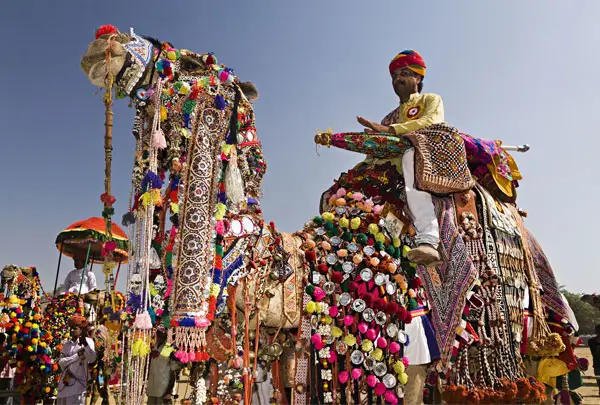
Every year, the quiet pilgrimage town of Pushkar becomes the setting for one of Rajasthan’s largest traditional gatherings. The Pushkar Camel Fair, also widely known as the Pushkar Fair or Pushkar Mela, brings livestock traders, camel herders, villagers, pilgrims, craftspeople, musicians, photographers, and travelers together for an event rooted in both rural life and religious tradition.
For international visitors, the fair provides a rare opportunity to see Rajasthan beyond its forts and palaces. Camel camps spread across the sandy grounds outside town, traders arrive from rural districts, temporary markets become busy with local commerce, and families from surrounding communities gather in traditional dress. At the same time, Pushkar’s temples and sacred lake receive pilgrims who come for religious ceremonies associated with the Hindu month of Kartik.
This combination of livestock fair, cultural gathering and pilgrimage is what separates Pushkar from many other festivals in India.
History and Importance of Pushkar Fair
Pushkar has been an important pilgrimage center for centuries. The town is closely associated with Lord Brahma and is home to the well-known Brahma Temple, while Pushkar Lake and its ghats remain central to religious life.
The fair developed around the period when pilgrims traditionally gathered in Pushkar during Kartik. Livestock traders and pastoral communities also used the occasion to meet, trade animals, purchase supplies, and conduct business. Camels were particularly important to Rajasthan’s desert communities because they provided transport and supported everyday life in difficult desert conditions.
Over time, these commercial and religious activities developed into the large Pushkar Mela known today. Modern cultural programs and visitor-oriented events have become part of the fair, but livestock trading, rural communities, and pilgrimage traditions remain important elements of its identity.
Camel Trading and the Traditional Fairgrounds
The camel grounds are usually the most anticipated part of a Pushkar Camel Fair tour for overseas travelers. During the livestock phase, traders and herders arrive with camels and other animals and establish temporary camps on the sandy outskirts of Pushkar.
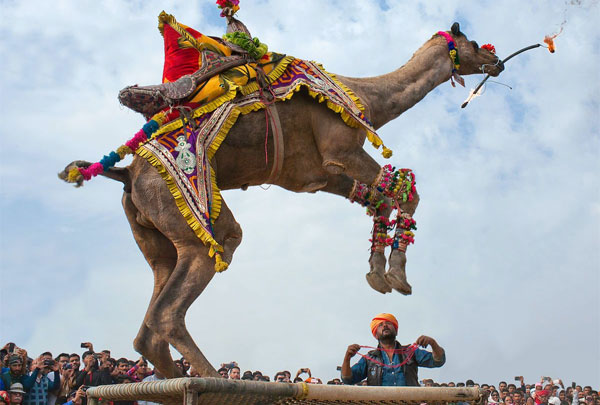
Walking through this area early in the morning gives visitors a closer look at the traditional side of the fair. Camels may be seen resting beside camps, being prepared for sale, decorated with colorful textiles, or handled by experienced herders.
For photographers, the early hours can be particularly rewarding. Low sunlight, desert dust, silhouettes of camels, campfires, traditional turbans, and daily activity around the camps create very different scenes from those found in Rajasthan’s cities.
Visitors should understand that this is not simply a tourist performance. For many participants, livestock remains part of their livelihood. Travelers should therefore maintain a respectful distance when trading is taking place and ask permission before taking close portraits.
Cultural Events and Local Entertainment
The Pushkar Fair has developed a strong cultural program alongside its traditional activities. Depending on the official program in a particular year, visitors may find Rajasthani folk music, dance performances, competitions, camel-related activities, local games, and public entertainment.
The atmosphere becomes especially lively as visitors move between the fairgrounds and town. Temporary stalls sell handicrafts, embroidered textiles, traditional jewelry, leather products, decorative items, clothing, and souvenirs.
Folk performers and musicians from Rajasthan add another layer to the event. International travelers interested in local culture should allow enough time to walk rather than trying to cover the entire fair from a vehicle.
The Religious Side of Pushkar Fair
Pushkar Fair is closely connected with religious traditions surrounding Kartik Purnima, the full-moon period considered particularly important for pilgrimage in Pushkar.
During the religious phase, pilgrims gather around Pushkar Lake and its numerous ghats. Many come to bathe in the sacred water and visit temples. The atmosphere near the lake can be very different from the livestock grounds, offering international visitors an opportunity to understand the spiritual importance of Pushkar.
Visitors should behave conservatively around the ghats. Shoes may need to be removed in designated areas, modest clothing is appropriate, and religious ceremonies should not be interrupted for photographs. Permission should always be requested before photographing individuals engaged in worship.
Best Time to Attend Pushkar Camel Fair
The Pushkar Camel Fair dates generally fall in October or November, although exact dates change each year according to the Hindu lunar calendar.
One of the most important points for foreign visitors is that the fair changes character as it progresses. The period associated with livestock activity may offer better opportunities to see larger numbers of camels and traders, while the days closer to Kartik Purnima have stronger religious significance and can bring much heavier pilgrim crowds.
For this reason, travelers should not choose dates simply because an online calendar lists the overall Pushkar Fair period. The preferred dates depend on whether the main interest is camel trading, photography, local culture, religious ceremonies, or a combination of these.
A stay of around two to three nights works well for many visitors, although serious photographers may prefer additional time.
Photography at Pushkar Camel Fair
Pushkar has long attracted professional and amateur photographers. Sunrise around the camel camps is particularly popular because the soft morning light works well with the sandy landscape.
Portrait photography can also be rewarding, but cultural sensitivity is essential. A colorful turban or traditional outfit does not automatically mean that the person wants to be photographed. Ask first when taking close portraits.
Travelers carrying professional equipment should protect cameras and lenses from fine dust. A suitable camera bag, lens cloth, spare batteries, and adequate memory storage are useful during long days at the fair.
How to Reach Pushkar
Pushkar lies close to Ajmer in Rajasthan and has good road connections with Jaipur and other major destinations in the state.
Many international travelers arrive in India through Delhi and follow a route such as Delhi – Agra – Jaipur – Pushkar. Pushkar can then be combined with Jodhpur, Udaipur, Jaisalmer, or other Rajasthan destinations.
Ajmer is the nearest major railway station. From there, Pushkar can be reached by road. For overseas travelers carrying luggage or photography equipment, a private air-conditioned vehicle is generally the more convenient option for a Rajasthan itinerary.
Where to Stay During Pushkar Fair
Accommodation requires early planning. Pushkar has hotels, resorts, guesthouses, and seasonal tented camps, but demand increases considerably during the fair.
International travelers should check more than the room price when selecting accommodation. Location, distance from the fairgrounds, vehicle access, heating or cooling arrangements, bathroom facilities, meal options, and the overall standard of the property can make a significant difference.
Seasonal camps range from relatively simple tents to more comfortable setups with private facilities. Travelers expecting luxury standards should confirm exactly what is included before booking.
Weather and What to Pack
Rajasthan generally has pleasant daytime weather during the Pushkar Fair season, but the temperature difference between afternoon and early morning can be noticeable.
Comfortable walking shoes are essential because sandy and uneven surfaces are common around the fairgrounds. Sunglasses, sunscreen, a hat, reusable water bottle, hand sanitizer, and a light jacket or warm layer for mornings and evenings are useful.
Modest clothing is particularly important when visiting temples and Pushkar Lake. International visitors should carry clothing that covers the shoulders and knees for religious sites.
Food and Drinking Water
Pushkar has numerous restaurants and cafés serving Indian and international dishes. As a pilgrimage town, vegetarian food is particularly common.
Foreign travelers should drink sealed bottled water or properly filtered water and choose busy, clean food establishments. Those with sensitive stomachs may prefer freshly cooked meals served hot rather than uncooked foods from temporary roadside stalls.
The fair is a good opportunity to try Rajasthani cuisine, but travelers do not need to sample everything at once. A gradual approach to spicy and unfamiliar foods is usually more comfortable.
Safety, Crowds and Local Etiquette
The Pushkar Fair attracts substantial crowds, particularly during major religious dates and popular events. International visitors should take normal precautions with passports, phones, cameras, wallets, and other valuables.
A small secure day bag is preferable to carrying unnecessary belongings. Travelers should agree on a meeting point when visiting crowded areas with a guide or travel companion because mobile connectivity can occasionally become inconvenient during heavily attended events.
Respectful behavior is especially important around temples and Pushkar Lake. Visitors should follow local instructions, remove footwear where required, avoid intrusive photography, and dress appropriately at religious locations.
Places to Visit Along with Pushkar Fair
The fair does not need to be the only reason to visit Pushkar. Travelers can visit Pushkar Lake, Brahma Temple, local bazaars and surrounding viewpoints while staying in town.
Nearby Ajmer can also be incorporated depending on the itinerary. On a longer Rajasthan journey, Jaipur, Jodhpur, Udaipur, Jaisalmer, Bikaner, and other heritage destinations can be connected with Pushkar.
Foreign travelers visiting India for the first time often combine the fair with the Golden Triangle Tour covering Delhi, Agra and Jaipur, followed by Pushkar and a longer Rajasthan circuit.
Planning a Pushkar Camel Fair Tour with India Fortune Journey
A successful Pushkar Camel Fair tour package depends heavily on timing. Simply reaching Pushkar during the advertised fair period does not guarantee that every traveler will see the aspect of the fair that interests them most.
India Fortune Journey can plan a private itinerary around the confirmed fair schedule, preferred accommodation, sightseeing interests, photography requirements, and the rest of the Rajasthan journey. Private transportation can connect Pushkar with Jaipur, Delhi, Agra, Jodhpur, Udaipur, Jaisalmer, and other destinations.
For overseas visitors, arranging the fair as part of a broader Rajasthan cultural tour provides a balanced journey. The itinerary can combine rural traditions and festival activities in Pushkar with forts, palaces, historic cities, local markets, desert landscapes, and other cultural sites across Rajasthan.
Fair Festivals
Personalized Travel Experiences Across India
Tell us about your
Travel Plans
Share your travel preferences and our destination specialists will create a personalized itinerary along with the best travel recommendations and pricing. Most inquiries receive a detailed response within 24 hours with no obligation.
Have a Question?
Whether you're planning a private tour, luxury holiday, family vacation, chauffeur-driven journey, hotel booking, or a customized India itinerary, our travel experts are ready to assist you.
Share your requirements and we'll provide the best travel options, recommendations, and pricing tailored to your needs.