
- /
- Fair & Festivals
- / Gangaur Festival in Jaipur and Udaipur
Gangaur Festival in Jaipur and Udaipur
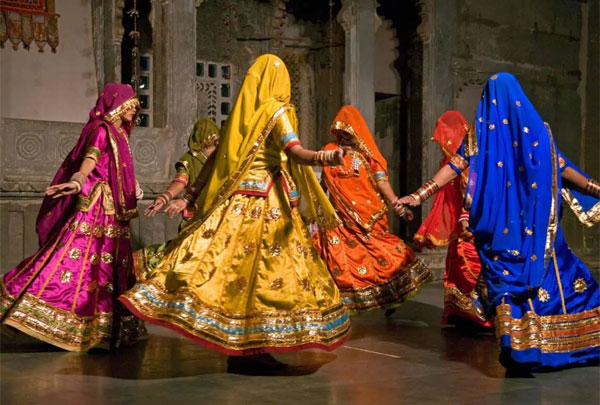
Spring brings a distinctive festival season to Rajasthan, and Gangaur is among the state’s most culturally important celebrations. Dedicated to Gauri, a form of Goddess Parvati, the festival is closely associated with marriage, devotion, family well-being, fertility, and the arrival of spring. Women traditionally play a central role in Gangaur observances, while public processions in cities such as Jaipur and Udaipur transform private religious customs into elaborate community celebrations.
For international travelers, Gangaur Festival in Rajasthan offers something very different from India’s better-known Holi and Diwali celebrations. There is no single moment when the entire city participates in the same activity. Instead, Gangaur develops through religious observances, decorated idols, traditional clothing, songs, prayers, processions, neighborhood customs, and ceremonial events. Understanding these layers is important because the public procession is only the most visible part of a festival with deep connections to family and religious life.
Jaipur and Udaipur provide two particularly rewarding settings. Jaipur is known for a ceremonial procession passing through parts of its historic Pink City, where decorated images, traditional musicians, folk performers, ceremonial elements, and heritage architecture create a distinctly royal atmosphere. Udaipur gives Gangaur a different visual identity because many celebrations are connected with the lakeside environment around Gangaur Ghat and Lake Pichola.
Travelers who have enough time can include both cities in one Rajasthan itinerary. Doing so provides a better understanding of how the same festival can take different forms within one state while retaining its underlying devotion to Gauri.
What Is Gangaur Festival?
The name Gangaur is generally understood through its association with Gana, referring to Lord Shiva, and Gaur, referring to Gauri or Goddess Parvati. The festival primarily centers on Gauri, who is worshipped as an ideal of marital devotion and family well-being.
Traditionally, married women pray for the health and long life of their husbands and for prosperity within their families. Unmarried women may pray for a suitable future partner. Customs differ among families and communities, so visitors should avoid assuming that every woman observes Gangaur in exactly the same manner.
The festival begins after Holi and continues over an extended period before culminating in important ceremonies and public processions. Women may create or decorate representations of Gauri and Isar, sing traditional songs, carry water, prepare offerings, apply mehndi, dress in festive clothing, and gather for community rituals.
For overseas travelers, this extended period explains why Gangaur feels different from a one-day public celebration. Much of its cultural importance develops before the final procession.
The Religious Meaning of Goddess Gauri
Gauri is a form of Goddess Parvati, the consort of Lord Shiva. Within Hindu tradition, Parvati is associated with marital devotion, strength, fertility, motherhood, and feminine power. Gangaur worship reflects several of these themes.
Stories connected with Shiva and Parvati help explain why Gangaur is strongly associated with marriage. Gauri represents an ideal of devotion and partnership, and women pray for happiness and stability within married life.
For foreign travelers, it is useful to understand that the festival’s focus on marriage should be considered within its traditional religious and social context. Modern participants may relate to these customs in different ways, while older rituals continue within families and communities.
A knowledgeable guide can explain these traditions without reducing the festival to simplified ideas about women praying for husbands.
Why Gangaur Is Important in Rajasthan
Gangaur is observed in several parts of India, but it has particularly strong cultural associations with Rajasthan. The state’s former royal families, merchant communities, rural populations, and urban neighborhoods developed their own customs around the festival.
Historically, Gangaur processions could be important royal occasions. Ceremonial images were carried through cities accompanied by musicians, attendants, animals, guards, and members of the court. Elements of this heritage remain visible in public celebrations today.
The festival also demonstrates how Rajasthan’s culture extends beyond forts and palaces. International visitors often arrive knowing the state for Amber Fort, Mehrangarh, Lake Pichola, and the Thar Desert, but festivals such as Gangaur reveal traditions that continue within everyday community and religious life.
This makes Gangaur particularly valuable for repeat visitors or travelers who want to understand Rajasthan beyond conventional monument sightseeing.
Gangaur Festival in Jaipur
Jaipur provides one of the most impressive urban settings for Gangaur. The old city’s pink façades, historic gates, palaces, markets, and broad avenues create a natural backdrop for the principal procession.
The ceremonial Gangaur procession traditionally begins from the City Palace area and moves through sections of the historic city. Exact routes and arrangements should always be confirmed for the relevant year because traffic controls and festival planning can change.
Visitors may see decorated images of Gauri, traditional musicians, folk performers, ceremonial participants, and other elements reflecting Jaipur’s royal heritage. Crowds gather along the route, and local families watch from streets, shops, balconies, and surrounding areas.
For photographers, the combination of procession and historic architecture can be exceptional. However, securing a sensible position before the busiest period is far better than trying to move continuously through dense crowds.
Jaipur’s Royal Connection with Gangaur
The former royal family of Jaipur has historically been associated with the city’s Gangaur celebrations, contributing to the ceremonial character of the public procession.
This connection is important because Jaipur’s Gangaur should not be understood merely as a modern tourism event. The procession reflects traditions that developed within a royal capital where religious ceremonies and court culture were closely connected.
Decorative elements, ceremonial dress, musicians, and the route through the old city preserve aspects of this historical identity. For an international traveler who has already toured the City Palace, attending Gangaur provides a different way to understand the relationship between Jaipur’s palace heritage and living traditions.
Visiting the City Palace before the festival can therefore add useful context to what travelers later see during the procession.
The Gangaur Procession in Jaipur
The Gangaur procession in Jaipur is one of the main attractions for international visitors. As the ceremonial group moves through the old city, the streets fill with spectators and the surrounding markets become part of the festival atmosphere.
Traditional musicians and performers may accompany the procession, while decorative elements associated with Rajasthan’s royal and folk traditions add visual interest. The exact composition can differ from year to year.
Foreign travelers should arrive well before the expected start rather than trying to reach the route at the last minute. Road closures and crowd-control measures can make vehicle access difficult, so the final approach may need to be made on foot.
A local guide can help select a viewing area that provides a good perspective without interfering with participants or blocking local movement.
Gangaur Festival in Udaipur
Udaipur presents Gangaur in a completely different visual environment. Here, the festival is strongly associated with the lakeside areas of the old city, particularly Gangaur Ghat on Lake Pichola.
The white and cream-colored architecture of Udaipur, the surrounding hills, palace buildings, temples, ghats, and lake create an atmospheric setting for the celebrations. Women in colorful Rajasthani clothing gather near the water, decorated images are carried through the streets, and ceremonial activities may continue around the ghats.
The combination of religious traditions and the lake makes Udaipur especially attractive to photographers. Late-afternoon and evening light can create striking scenes as festival participants gather against the water and surrounding architecture.
Visitors should nevertheless remember that the ghats remain religious and community spaces rather than photography sets.
Gangaur Ghat and Lake Pichola
Gangaur Ghat is one of Udaipur’s most recognizable waterfront areas and takes its name from the festival itself. Located beside Lake Pichola near the historic core of the city, the ghat becomes particularly important during Gangaur.
During the festival period, processions may move through old-city lanes toward the waterfront. Participants gather with decorated images, offerings, and traditional clothing, creating an intense concentration of activity around the steps.
Space around the ghat is limited compared with a large parade ground. International visitors should therefore expect close crowds and restricted movement during peak ceremonies.
Photographers should choose their position carefully and avoid standing on steps required by participants. A beautiful viewpoint is never more important than allowing local residents to perform their religious rituals.
Jaipur or Udaipur – Which Is Better for Gangaur?
Foreign travelers often ask whether they should attend Gangaur in Jaipur or Udaipur. The better choice depends on what they want from the festival.
Jaipur provides a stronger royal-procession setting. The Pink City architecture, City Palace connection, market streets, ceremonial participants, and broader procession route make it particularly suitable for travelers interested in royal Rajasthan and street photography.
Udaipur provides a more intimate lakeside setting. Gangaur Ghat, Lake Pichola, old-city lanes, colorful clothing, and waterfront ceremonies create a very different visual character.
Travelers with enough time do not necessarily need to choose between them. Depending on the confirmed annual schedule and practical road travel, a Rajasthan itinerary can be designed to include relevant celebrations in both cities.
Traditional Gangaur Idols
Representations of Gauri and Isar are an important part of Gangaur traditions. Their size, decoration, and materials vary according to family and community customs.
Women may decorate the figures with clothing, ornaments, colors, and other details before using them in prayers and processions. In some communities, the preparation of these figures becomes part of the social and religious activity leading up to the final day.
For international visitors, these idols provide a visual connection between household worship and larger public celebrations. What appears in a grand city procession is related to traditions also practiced at a much smaller family level.
Travelers should never touch religious images or rearrange ceremonial objects for photography.
Women and Gangaur Traditions
Women are central to Gangaur. During the festival period, groups may gather to pray, sing traditional songs, carry decorated vessels, apply henna, dress in festive clothing, and participate in ceremonies associated with Gauri.
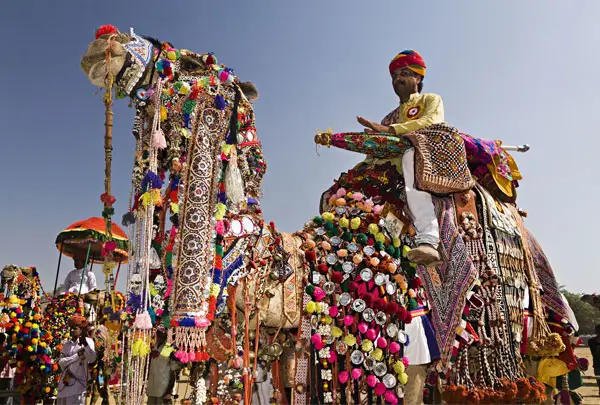
Brightly colored saris, lehengas, odhnis, jewelry, bangles, and traditional Rajasthani clothing make the festival visually striking, but the clothing is part of a meaningful social and religious occasion rather than costume arranged for tourists.
International photographers should be particularly respectful when photographing women involved in prayer or private ceremonies. A public procession provides greater freedom for general photography, but close individual portraits should still be handled politely.
A guide can also help explain differences between decorative elements that may otherwise appear purely aesthetic to an overseas visitor.
Mehndi and Gangaur
Mehndi, or henna, is commonly associated with Indian weddings and festivals and can form part of Gangaur preparations. Intricate patterns may be applied to hands as women prepare for the celebration.
Foreign visitors may also choose to have mehndi applied through a reputable artist. This can be an enjoyable cultural activity when approached naturally rather than presented as participation in a religious ritual the traveler does not understand.
Henna takes time to dry and develops its color gradually, so travelers planning photography or evening activities should allow enough time after application.
Those with sensitive skin should be cautious about unknown chemical products and should avoid so-called black henna, which can contain additives associated with skin reactions.
Traditional Gangaur Songs
Music during Gangaur is not limited to formal stage performances. Traditional songs sung by women form an important part of the festival’s community character.
These songs can relate to Gauri, marriage, family relationships, seasonal change, local stories, and the emotions associated with the festival. Different communities may preserve their own verses and styles.
Foreign visitors who encounter a group singing in a neighborhood or temple setting should observe respectfully rather than immediately moving close with a camera.
A guide capable of explaining the broad meaning of the songs can make these quieter moments as interesting as the main public procession.
Gangaur and the Arrival of Spring
Gangaur takes place during the spring period after Holi, connecting the festival not only with religious devotion but also with seasonal change.
Rajasthan’s weather during this period is generally becoming warmer. Days can be sunny and increasingly hot, particularly later in the season, while mornings and evenings may remain more comfortable.
Flowers, decorative colors, festive clothing, and outdoor gatherings fit naturally with the seasonal character of the celebration.
For international visitors planning a Rajasthan trip around Gangaur, the warmer weather should be considered when scheduling sightseeing. Early morning visits to forts and outdoor monuments can be more comfortable than spending the hottest part of the afternoon in exposed locations.
When Is Gangaur Festival Celebrated?
Gangaur follows the Hindu lunar calendar, so its dates change from year to year. It begins after Holi and continues for an extended period, with the final days bringing important public celebrations.
The festival generally falls during March or April. International visitors should confirm the exact dates for the intended year before purchasing flights or finalizing a Rajasthan itinerary.
Travelers should also verify which day contains the principal procession in the city they intend to visit. Simply being in Jaipur or Udaipur during the broader Gangaur period does not guarantee seeing the main public event.
India Fortune Journey can structure the surrounding route around the confirmed festival schedule.
How Many Days Should Foreign Travelers Allow?
For Jaipur alone, three nights can provide a comfortable combination of sightseeing and the principal Gangaur celebration. Travelers interested in markets, photography, or additional cultural activities may prefer four nights.
Udaipur also deserves at least two or three nights because City Palace, Lake Pichola, old-city streets, temples, viewpoints, and surrounding attractions should not be compressed around one festival evening.
Visitors hoping to see both Jaipur and Udaipur should allow sufficient travel time between the cities. Rajasthan distances are substantial, and a festival itinerary should not depend on an unrealistic same-day transfer.
A slower route also provides flexibility if local festival timings change.
Photography During Gangaur Festival
Gangaur is one of Rajasthan’s strongest festivals for cultural and documentary photography because it combines traditional clothing, religious objects, processions, musicians, old-city architecture, and community activity.
In Jaipur, photographers can work with the long perspectives of historic streets and pink façades. In Udaipur, the lake, ghats, palace architecture, and narrower lanes provide more intimate compositions.
A moderate telephoto lens can help capture participants without repeatedly entering their personal space. Wider lenses are useful for showing the festival within its architectural environment.
Photography rules inside temples and palace properties should be checked separately. Visitors should also avoid flash during religious ceremonies unless explicitly permitted.
What to Wear During Gangaur
March and April in Rajasthan can become warm during the daytime. Lightweight, breathable clothing is therefore practical, but modest dress remains appropriate for temples and religious events.
Foreign visitors do not need to wear Indian clothing. Those who choose to wear a kurta, sari, or other traditional garment should do so respectfully and prioritize comfort, particularly when walking for several hours.
Comfortable footwear is important in Jaipur’s markets and Udaipur’s old-city lanes. Some temple visits require shoes to be removed, so footwear that can be taken off easily is useful.
A hat, sunglasses, sunscreen, and drinking water are particularly important during daytime processions.
Safety and Crowd Conditions
Gangaur processions can attract large local crowds, particularly at important points along the route. International visitors should expect slower movement, road restrictions, and limited vehicle access.
Passports and unnecessary valuables should remain at the hotel. Cameras, phones, and wallets should be secured in crowded streets.
Travelers should follow police or event-management instructions and avoid entering areas reserved for procession participants. Families with children should remain together and establish a meeting point before entering the busiest areas.
Compared with Holi, Gangaur does not generally involve the same level of physical interaction with strangers, but normal crowd precautions are still necessary.
Food During Gangaur Festival
A Gangaur trip provides an excellent opportunity to try Rajasthani cuisine. Jaipur and Udaipur both have restaurants serving regional specialties as well as Indian and international food.
Travelers may try dal baati churma, gatte ki sabzi, ker sangri, different breads, kachori, sweets, and other regional dishes. Those interested in culinary traditions can include a carefully selected food walk or cooking experience on a non-procession day.
Festival periods may make popular restaurants busy, so reservations can be useful for higher-end properties.
Foreign travelers should drink safe water and choose clean establishments, particularly when eating dairy-based sweets or street snacks in warm weather.
Where to Stay in Jaipur During Gangaur
Jaipur offers heritage hotels, restored havelis, luxury palace properties, international hotel brands, boutique accommodation, and comfortable mid-range hotels.
Travelers wanting quick access to the old city can choose accommodation within or near the historic center, although vehicle movement may become difficult during the procession.
Hotels farther from the center may offer quieter surroundings and easier vehicle access. A private car can then be used to reach an appropriate drop-off point before continuing on foot.
Booking early is advisable for travelers seeking a specific heritage property or room category during the festival period.
Where to Stay in Udaipur During Gangaur
Udaipur offers some of Rajasthan’s most distinctive accommodation, ranging from luxury lakefront hotels to restored havelis and smaller properties inside the old city.
A hotel around Lake Pichola can provide convenient access to the historic center, but travelers should check whether the property can be reached directly by car. Some old-city hotels require walking or smaller local transport for the final approach.
Lake-view rooms are particularly popular and should be booked early during busy travel periods.
Travelers prioritizing Gangaur photography may prefer staying within walking distance of the old city and Gangaur Ghat rather than commuting from a distant resort.
Jaipur Sightseeing with Gangaur Festival
A Jaipur Gangaur itinerary should include enough time for the city’s major historical sites. Amber Fort, City Palace, Jantar Mantar, Hawa Mahal, Jal Mahal, and selected markets can be arranged over one or two days.
The City Palace is especially relevant because of Jaipur’s historical royal connection with Gangaur. Seeing the palace before attending the procession helps visitors understand the ceremonial context.
The main festival day should remain relatively light. Spending the entire morning climbing forts followed by several hours standing along a procession route can be tiring, particularly as Rajasthan becomes warmer.
A slower morning followed by the evening celebration generally produces a better experience.
Udaipur Sightseeing with Gangaur Festival
Udaipur offers enough attractions to justify several days beyond the festival. City Palace, Lake Pichola, Jagdish Temple, old-city markets, Saheliyon Ki Bari, and selected viewpoints can be included.
A boat ride on Lake Pichola provides a useful perspective on the city’s relationship with the water. During Gangaur, however, boat operations and access may be affected by local events, so timings should be checked.
Walking through the old city before the festival allows visitors to understand how narrow streets connect the palace area, temples, markets, and ghats.
The principal Gangaur celebration can then be enjoyed with a clearer sense of the city’s layout.
Combining Gangaur with a Rajasthan Tour
Gangaur fits naturally into a longer Rajasthan cultural tour. One practical route for international visitors is:
Delhi – Agra – Jaipur – Pushkar – Jodhpur – Udaipur
The journey can be adjusted so that the traveler is in Jaipur or Udaipur for the principal Gangaur celebrations.
Delhi and Agra introduce major Mughal heritage, Jaipur provides royal Rajasthan and the Pink City, Pushkar adds pilgrimage traditions, Jodhpur introduces Mehrangarh Fort and Marwar culture, and Udaipur completes the route with lakes and Mewar heritage.
Travelers with additional time can continue toward Jaisalmer or include smaller heritage destinations.
Planning a Gangaur Festival Tour with India Fortune Journey
A successful Gangaur Festival tour in Rajasthan depends on matching the itinerary with the confirmed annual procession dates. Jaipur and Udaipur have different settings, local arrangements, and viewing conditions, so transportation and hotel choices should be planned accordingly.
India Fortune Journey can arrange private transportation, suitable accommodation, guided sightseeing, festival visits, old-city walks, photography-focused scheduling, and a wider Rajasthan itinerary for international travelers. The route can include Delhi, Agra, Jaipur, Pushkar, Jodhpur, Udaipur, Jaisalmer, or other destinations according to available time.
Travelers particularly interested in photography can spend more time around the procession route and old-city neighborhoods, while visitors focused on culture can include temples, crafts, traditional food, and explanations of Gauri worship and local customs.
Gangaur rewards travelers who look beyond its colorful procession. The festival reveals relationships between religion, marriage traditions, women’s customs, royal history, community identity, music, clothing, and Rajasthan’s spring season. Seeing those elements within Jaipur’s Pink City or beside Lake Pichola in Udaipur provides a cultural perspective that conventional monument sightseeing alone cannot offer.
Fair Festivals
Personalized Travel Experiences Across India
Tell us about your
Travel Plans
Share your travel preferences and our destination specialists will create a personalized itinerary along with the best travel recommendations and pricing. Most inquiries receive a detailed response within 24 hours with no obligation.
Have a Question?
Whether you're planning a private tour, luxury holiday, family vacation, chauffeur-driven journey, hotel booking, or a customized India itinerary, our travel experts are ready to assist you.
Share your requirements and we'll provide the best travel options, recommendations, and pricing tailored to your needs.